California Snow Pack Drops After Dry January

Following a surge of wet storm systems in December and early January, snowpack in the Sierra Nevada mountains has shrunk considerably. The Department of Water Resources (DWR) conducted a snow survey on Friday, January 30th, to assess current conditions and discuss impacts. Snowpack was determined to be 55 percent of normal, down from 89 percent in early January, which has since dropped further. Click here to watch the survey report.
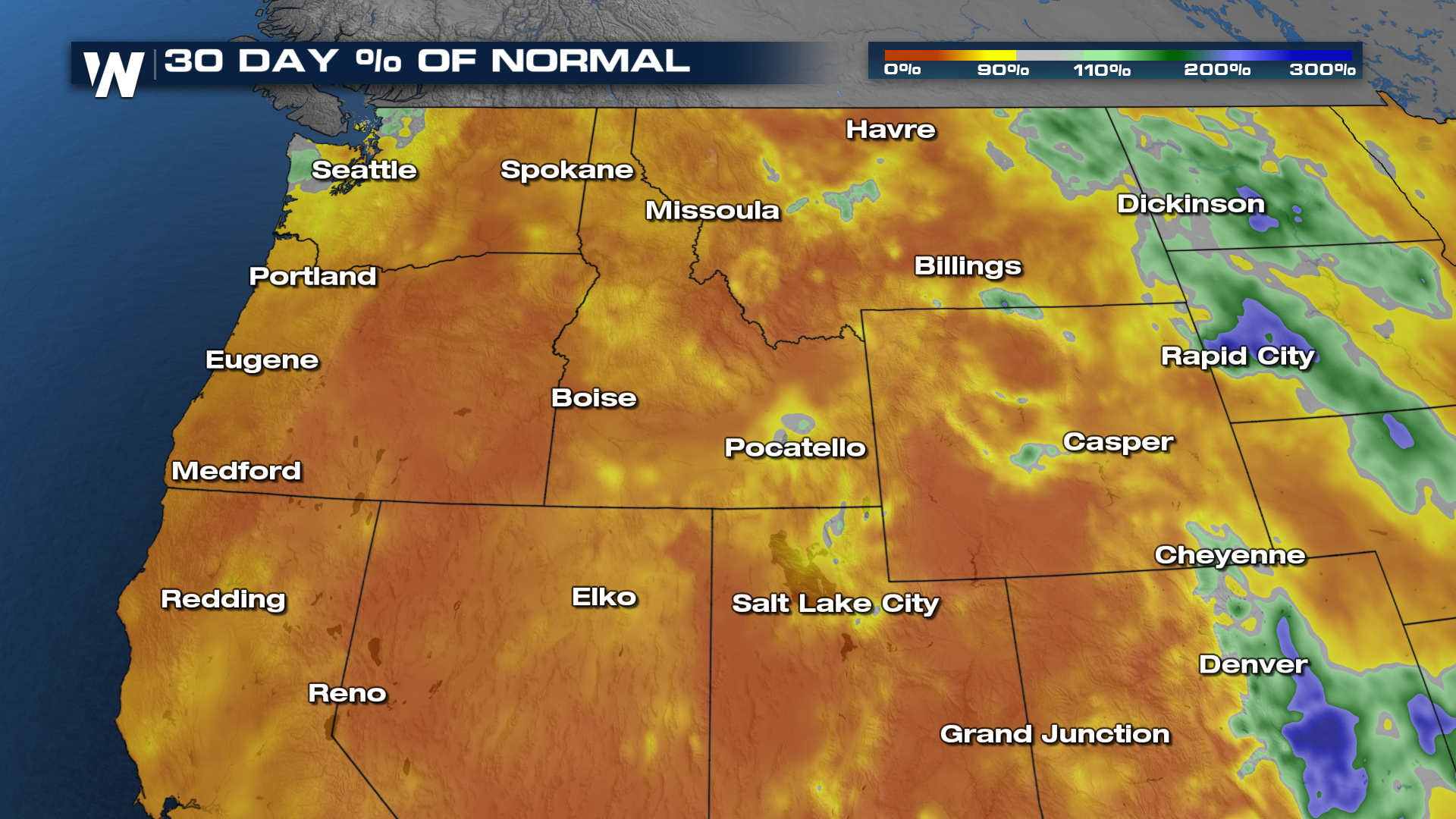
California and much of the West have been under the influence of a massive blocking ridge of high pressure. This has kept storms charging to the north into Canada before descending across the Midwest and Eastern United States, which has been under siege from cold and snowy systems.
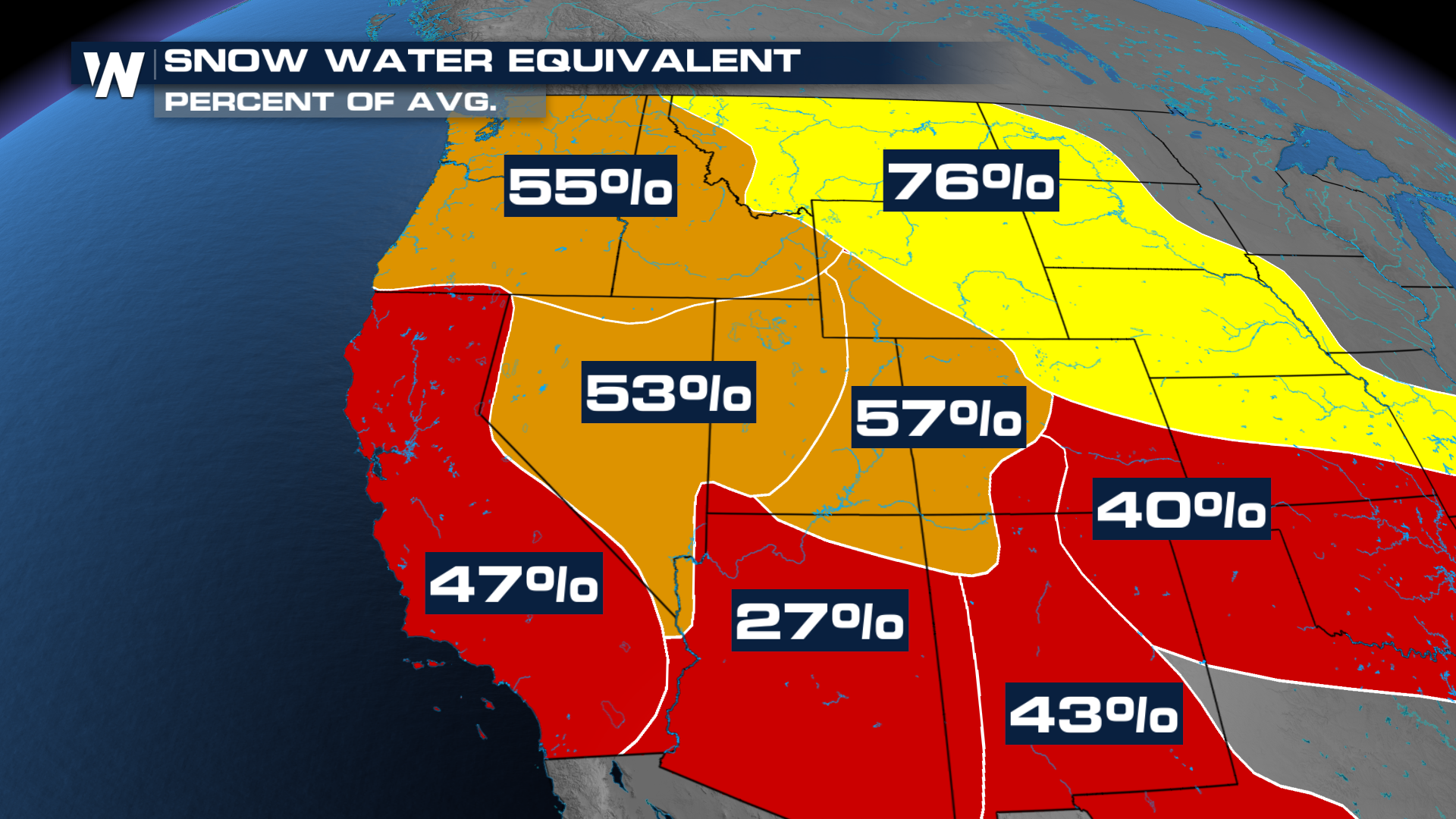
The lack of January storms has left an abysmal snowpack across the Western United States, with record low numbers at many of the monitoring stations in the mountains. It hasn't just been a lack of storms, but also warm weather, which has led to high elevation snow and low elevation rain or melting.
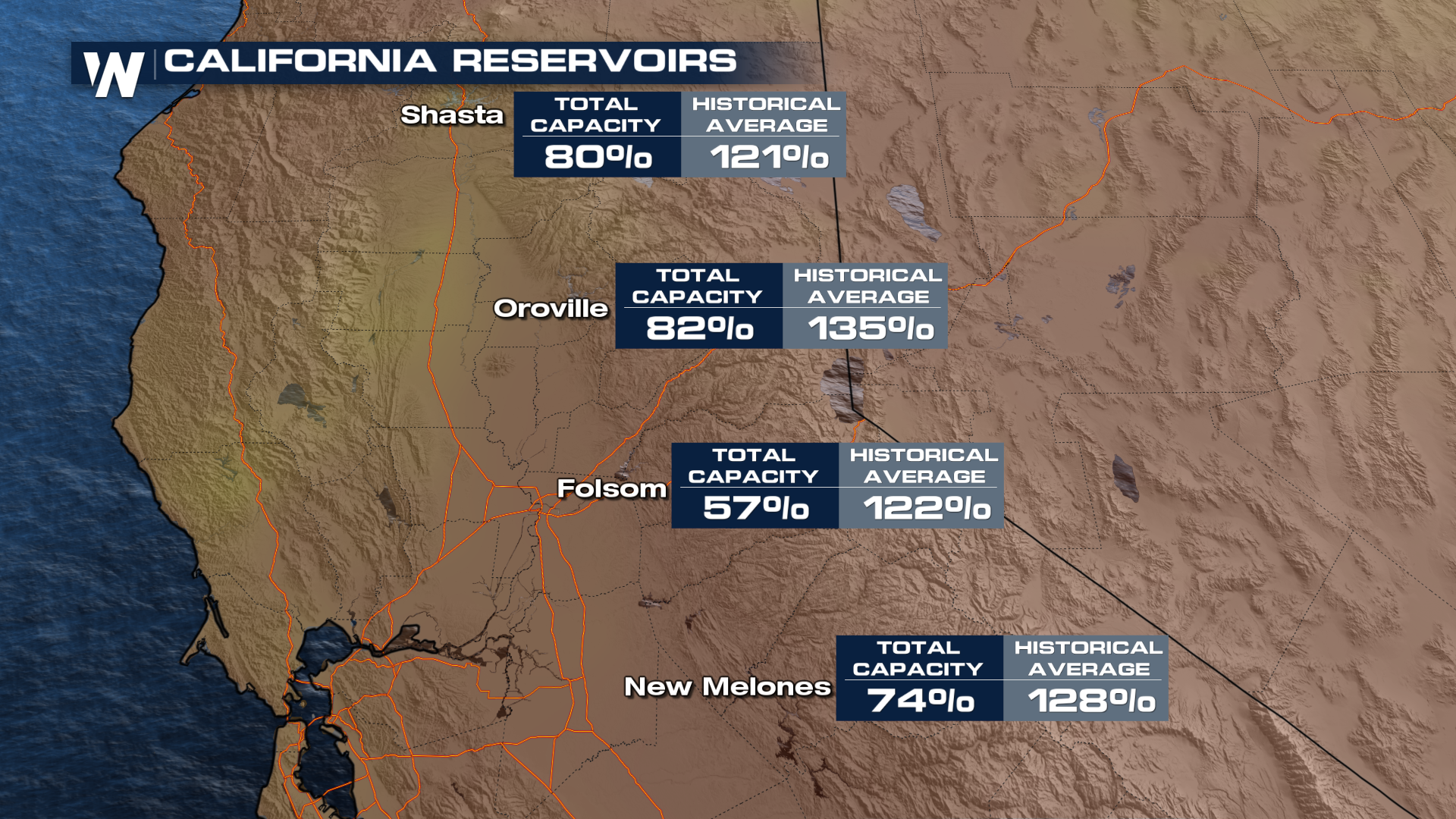
The good news is that California has had three wet winter seasons preceding this year, which have left reservoirs with plenty of water. About 30 percent of the state's drinking water comes from the snowpack.
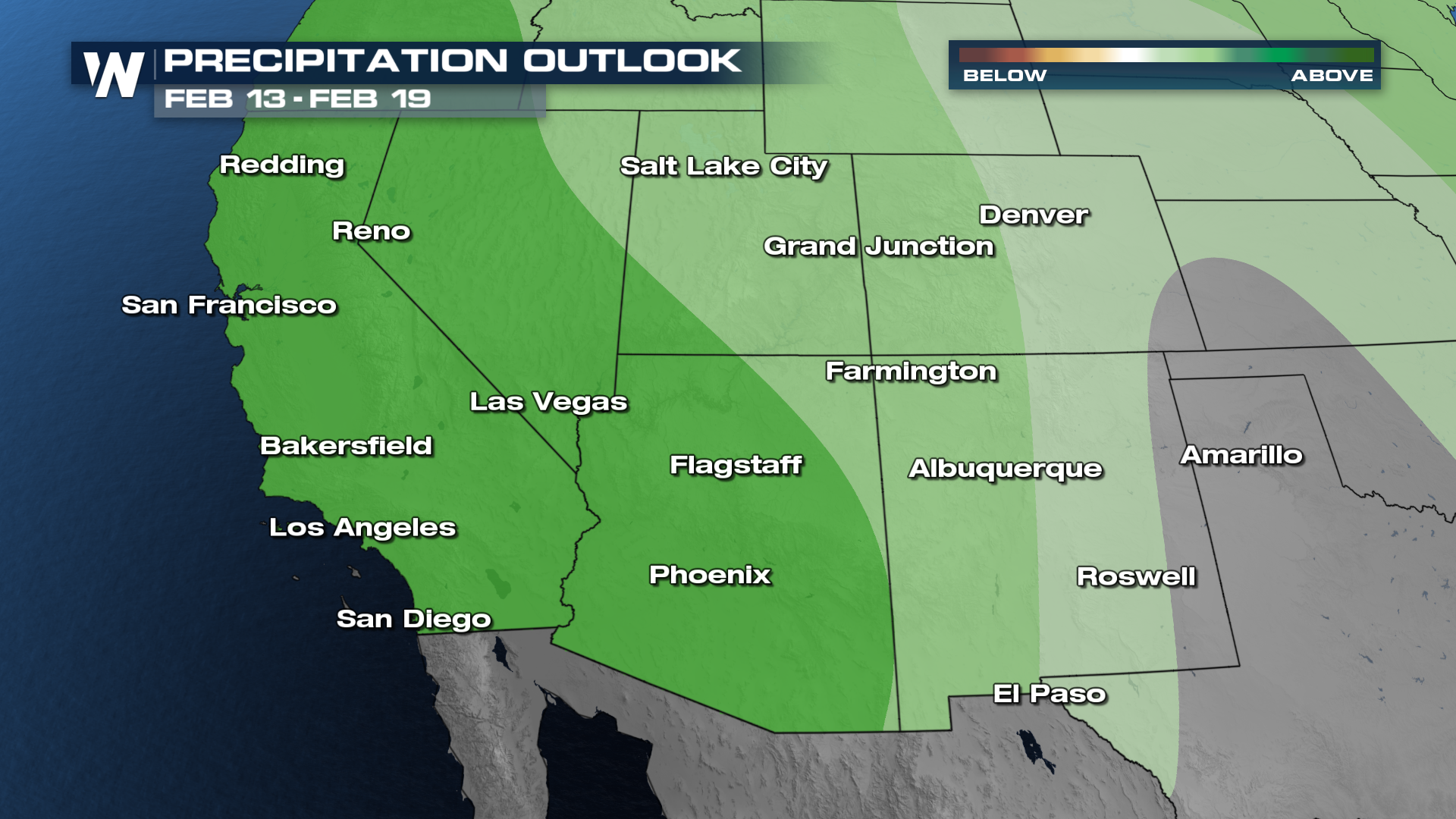
While the short-term looks mostly dry for the west, above-average precipitation is favored in the medium-range forecast as the jet stream pattern could flip around the middle of the month. While full recovery of the snowpack across the entire west is unlikely, several moisture-packed storm systems could greatly benefit the region.


