El Nino Pushes Sharks into Southern California Beaches

During El Nino, temperatures across the Eastern Pacific Ocean become warmer, or above normal. For the hurricane season, this means an increase in tropical activity across the Eastern Pacific.
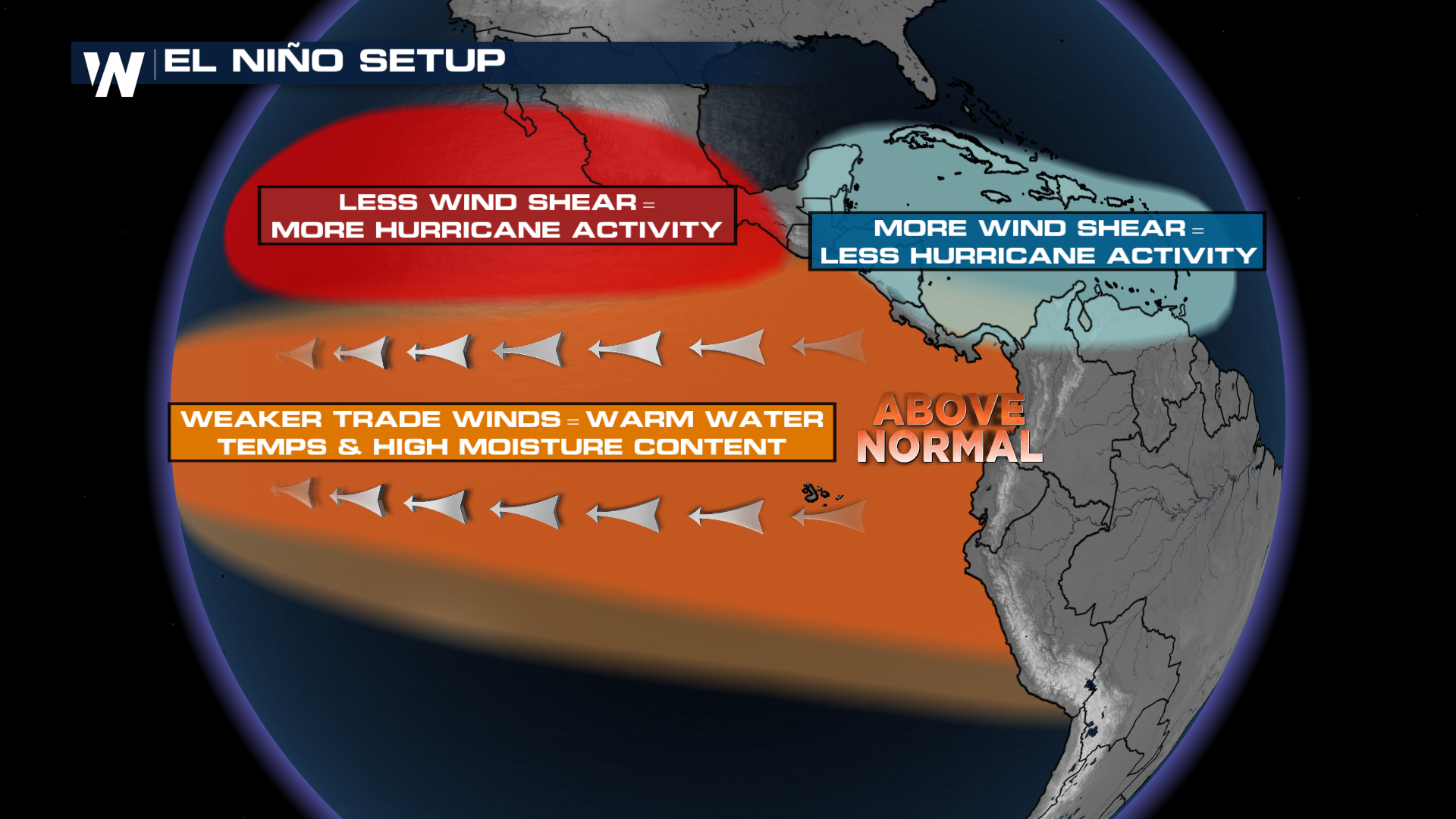 These warmer sea surface temperatures also mean an increase in shark activity for Southern California beaches. Meteorologist Taban Sharifi spoke to Dr. Christopher Lowe, professor of marine biology and director of the Shark Lab at California State University, Long Beach on how El Nino brings changes to marine life along the coast.
As the waters continue to warm through the Fall, Dr. Lowe talked about the changing species that will be seen across the Southern California waters that are not typically there. This includes hammerhead sharks, whale sharks, and even manta rays. This also includes white sharks. The water farther south will get too warm for the white sharks, that are normally off the Baha of California, and they will begin to push north. Dr. Lowe said, "It's going to push those juvenile white sharks that are normally in Mexico into Southern California waters." This is something they have already started to see happen during July and August of this year, and the numbers of these sharks are increasing. Dr. Lowe said the sharks could reach as far north as Santa Cruz, CA.
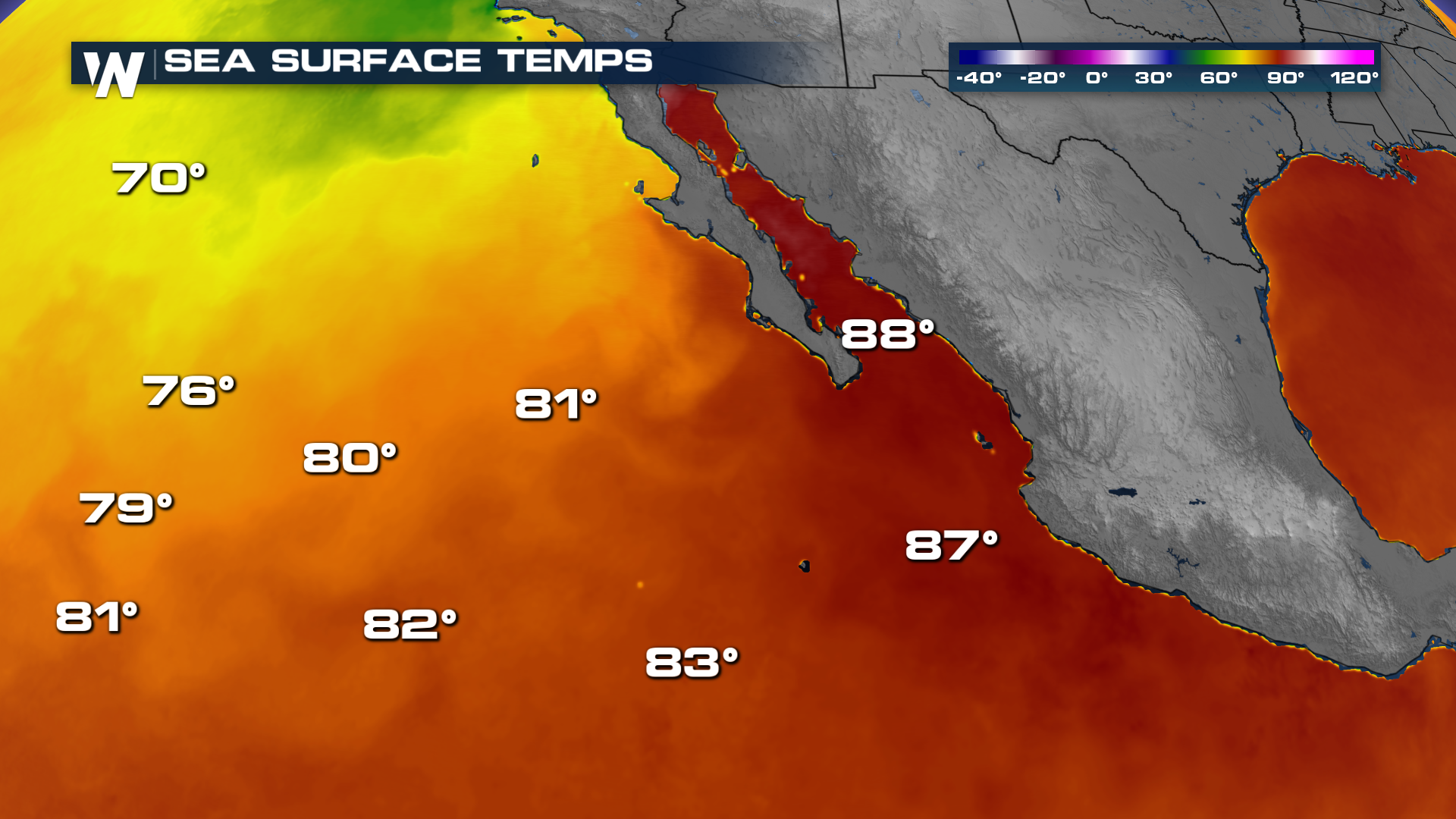 There's a sweet spot for water temperatures for these sharks that sits between 64°-72°. Above 82° is when sharks begin to move north. Currently, water temperatures in the Eastern Pacific are significantly warmer than that 82° threshold.
A message to beach goers: "Believe it or not, having all those white sharks off that beach might actually keep people safer. Because they are eating sting rays, there are fewer sting rays that might hurt people," said Dr. Lowe.
Watch the full interview for more on how close these sharks get to the coastline and how scientists track their behavior.


