What Is a Blizzard?
Special Stories
5 Mar 2018 1:37 PM
https://youtu.be/urXYTwbzo6I
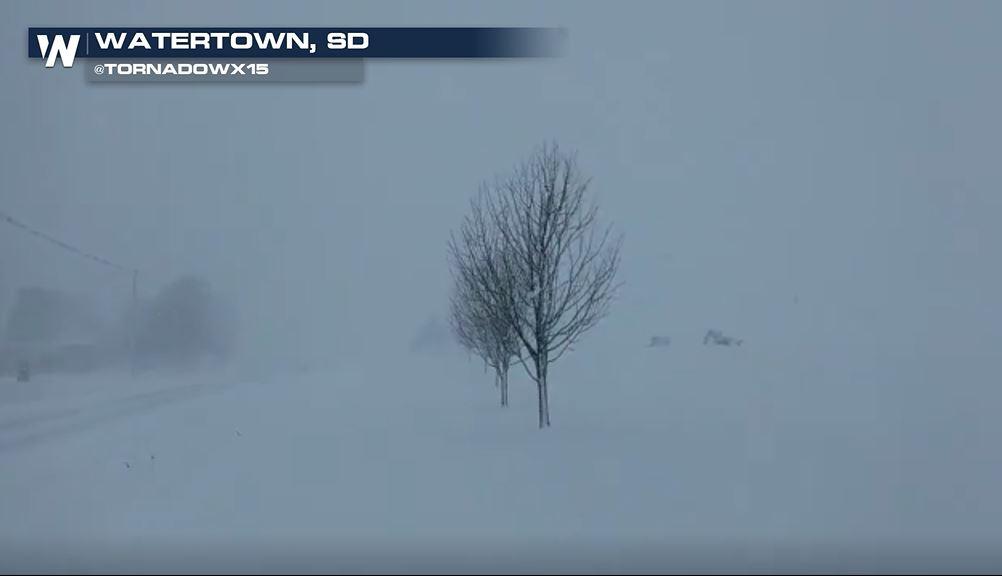
When most people hear the term "Blizzard" they usually think about giant, city covering snowfall accumulations, and while that CAN happen, heavy snowfall isn't one of the criteria necessary to define a storm as a Blizzard. The ingredients required to create a dangerous winter storm classified as a blizzard are high wind and BLOWING snow.
The National Weather Service officially defines a blizzard as a storm which includes large amounts of falling OR blowing snow, with winds higher than 35 mph and visibilities less than 1/4 mile for an extended period of time (at least 3 hours). The National Weather Service will issue a "Blizzard Warning" when these conditions are expected.
While blizzards occur most often in the upper Midwest and Great Plains, because of more wide open terrain, with fewer trees and other obstructions to reduce wind and blowing snow, blizzards can happen anywhere that has snowfall. And we've seen a number of blizzards in the Northeast and New England this year.
Blizzards can be deadly. Because of whiteout conditions and drifting snow, road travel can be difficult if not impossible. Whiteout conditions become a bigger threat with major storms that drop drier, more powdery snow. When this happens, it doesn't even have to be snowing at all, to produce whiteout conditions. The snow already on the ground fills the air to create the whiteout and then we get what's called a GROUND blizzard.
Another Blizzard danger is low windchill temperatures caused by the high winds and accompanying cold low temperatures. other danger. In the Midwest, it's not uncommon to have wind chills below 60 degrees below zero during blizzards. And exposure to these low wind chill values can result in severe frostbite and hypothermia.
And besides the threats for people outside in blizzard conditions, the high winds and heavy snow can bring down trees and power lines, that can lead to power outages. So when you hear the term "Blizzard" remember, whether the snow piles up or not, the dangerous combination of high wind and blowing snow are what you need to prepare for.
For WeatherNation, I'm John Van Pelt.
All Weather News
More
Major River Flooding Causes Damage; Another Day of Storms in New Mexico
A powerful low pressure system has been movin
25 Oct 2026 2:05 AM

Warmer Than Average: Above-Normal Temperatures Across the Central U.S. This Week
WHAT TO EXPECTA ridge of high pressure linger
25 Oct 2026 1:20 AM

Hurricane Vance Swirling in the Pacific
After becoming a hurricane Friday, Vance quic
25 Oct 2026 1:05 AM

Sunny Day Flooding; King Tides Surge This Week
This week, the ocean is coming to low lying a
25 Oct 2026 1:00 AM


Several Fires Break Out in SoCal Last Week Amid Santa Ana Wind Event
Santa Ana winds helped several fires grow qui
19 Oct 2026 1:25 PM

Another Cold Morning Before Things Warm Back Up
Across portions of the Ohio Valley through th
19 Oct 2026 10:15 AM