A Look Back At Meteorological Summer 2026

SEPT 1 - Today marks the beginning of meteorological fall. Meteorologists measure seasons using three-month periods for easier record-keeping, which means meteorological fall lasts from September 1 to November 30.
A Look Back at Meteorological Summer
June 2026
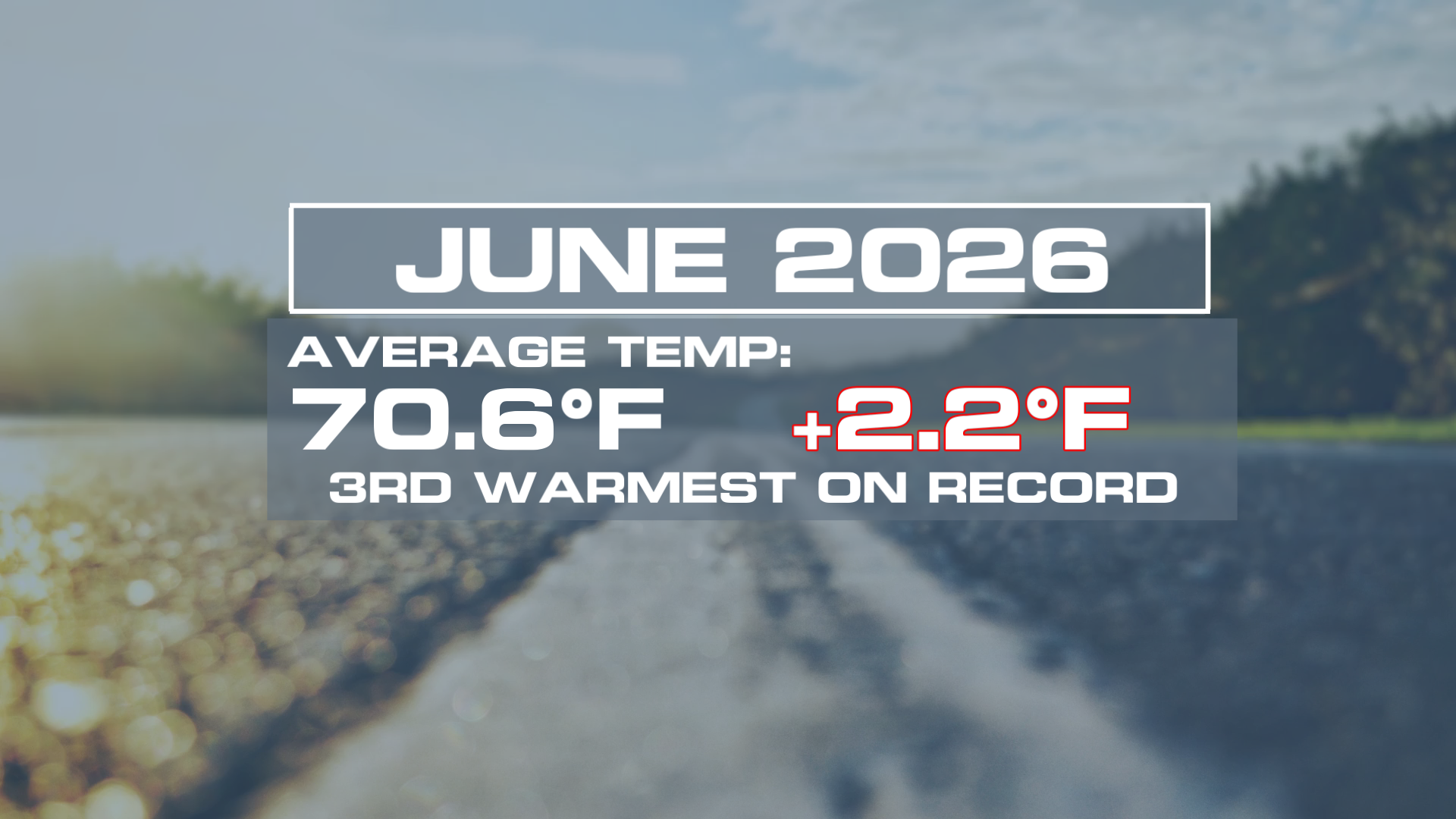
So how did this summer shape up for many Americans? Starting with June, the average temperature of the CONUS was 70.6°F. This ranks June 2026 as the third-warmest June on record, with temperatures 2.2°F above average.
 Other Notable Events of June 2026
Record June tornado activity in the Midwest , with 91 tornadoes in Illinois and 69 in Indiana.
June 16 - 19: the remnants of Tropical Storm Arthur produced 10-20 inches of rain along the central Gulf Coast.
June 29: a derecho moved across South Dakota producing 131 mph winds in Highmore.
Wildfires burned more than 120,000 acres in Utah and Colorado late June, including the Cottonwood Fire.
July 2026
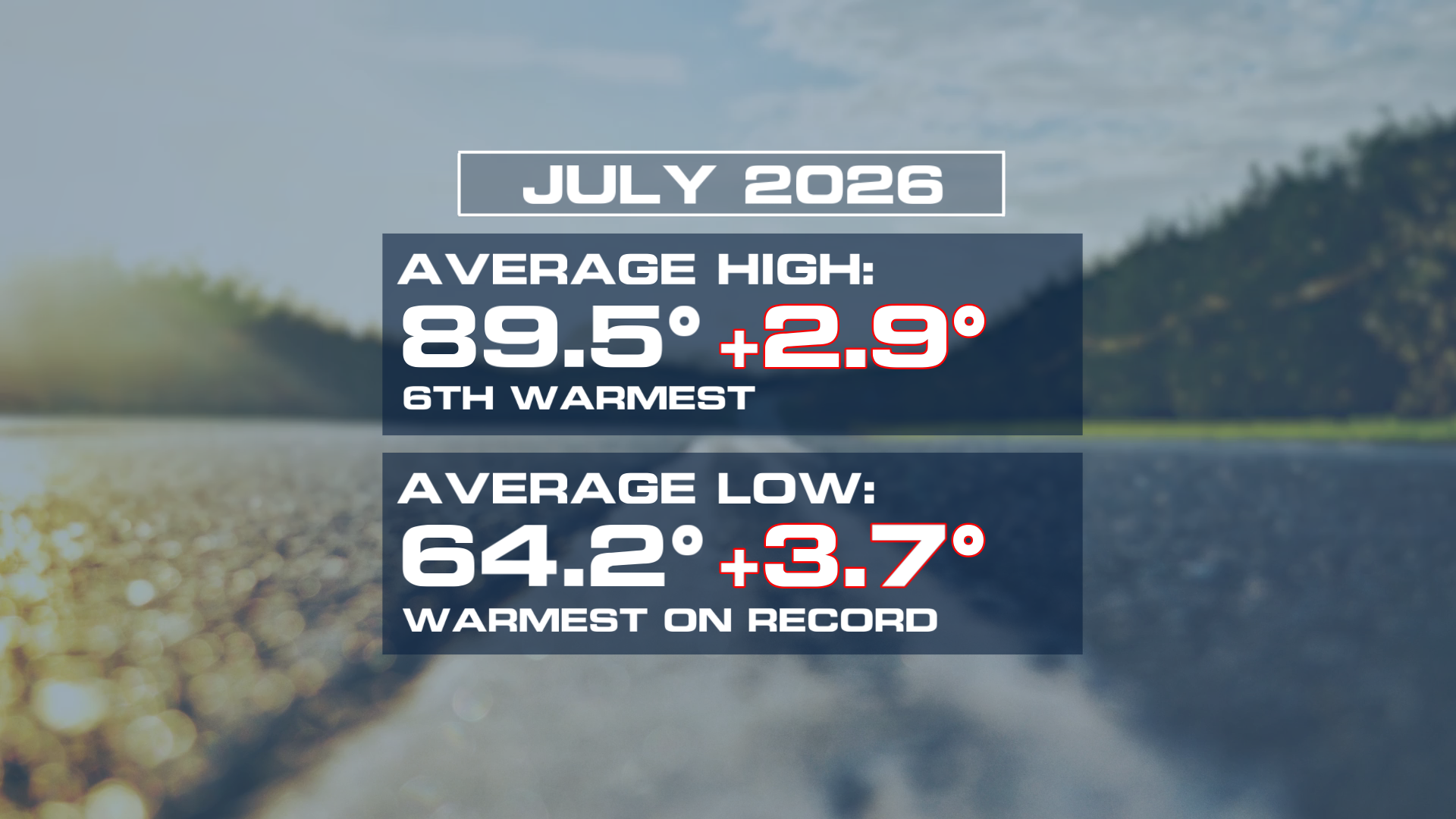
According to the NCEI where these statistics were retrieved, July was also well above average. In fact, it was the hottest July on record, with an average temperature of 76.89°F, 3.3°F above normal.
The average daily maximum temperature was 89.5°, and the average daily minimum temperature was 64.2°.
 Other Notable Events of July 2026:
July 9-11: training thunderstorms in IL, KY, and MO caused widespread flash flooding.
July 12: multiple sites across ID, WY, UT, and MT set all-time high temperature record, including Salt Lake City (109°), Sheridan, WY (109°), Billings, MT (111°), Idaho Falls, ID (103°), and Miles City, MT (115°).
July 13 - 17: persistent rain in the Texas Hill Country produced 28" near Knippa, causing major flash flooding.
July 27: An EF-3 tornado struck Appleton, WI, causing extensive damage
August 2026
NCEI's climate report for August has yet to be released, but several notable weather events took place this month.
August 11: A Midwest derecho produced widespread damaging winds and power outages.
Wildfires near Spokane, WA forced approximately 64,000 people to evacuate.
Persistent rain, flooding, and severe weather impacted portions of the Midwest throughout the month.
Meteorological Summer
The Southwestern United States experienced some of the hottest and driest conditions of the summer. Cities like Aspen, Colorado, averaged temperatures about 7 degrees above normal.
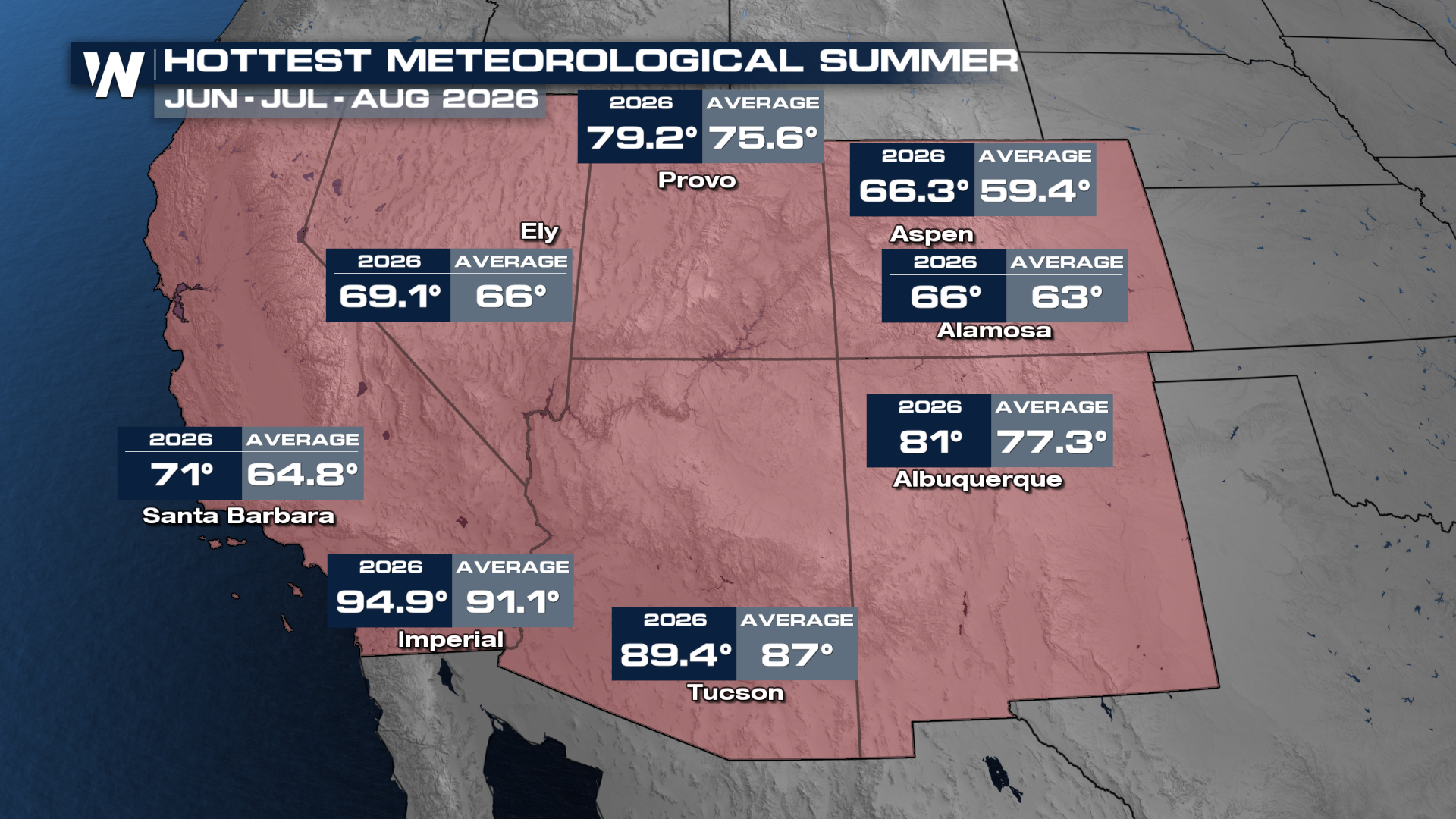
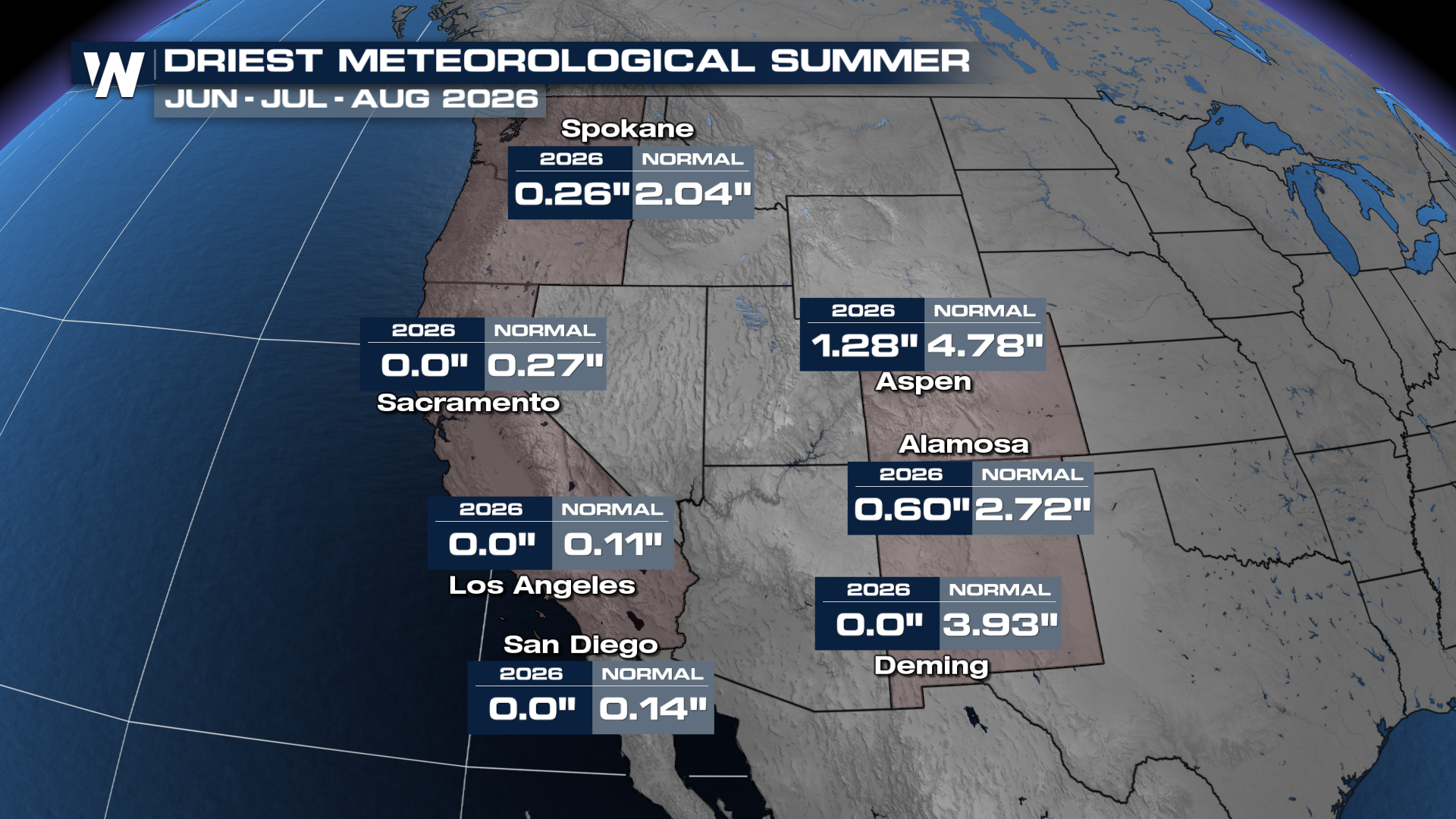
Aspen also experienced its driest summer on record, receiving only 1.28 inches of rainfall. Several other cities recorded their driest summer on record as well, including Spokane, Washington; Los Angeles; and San Diego.
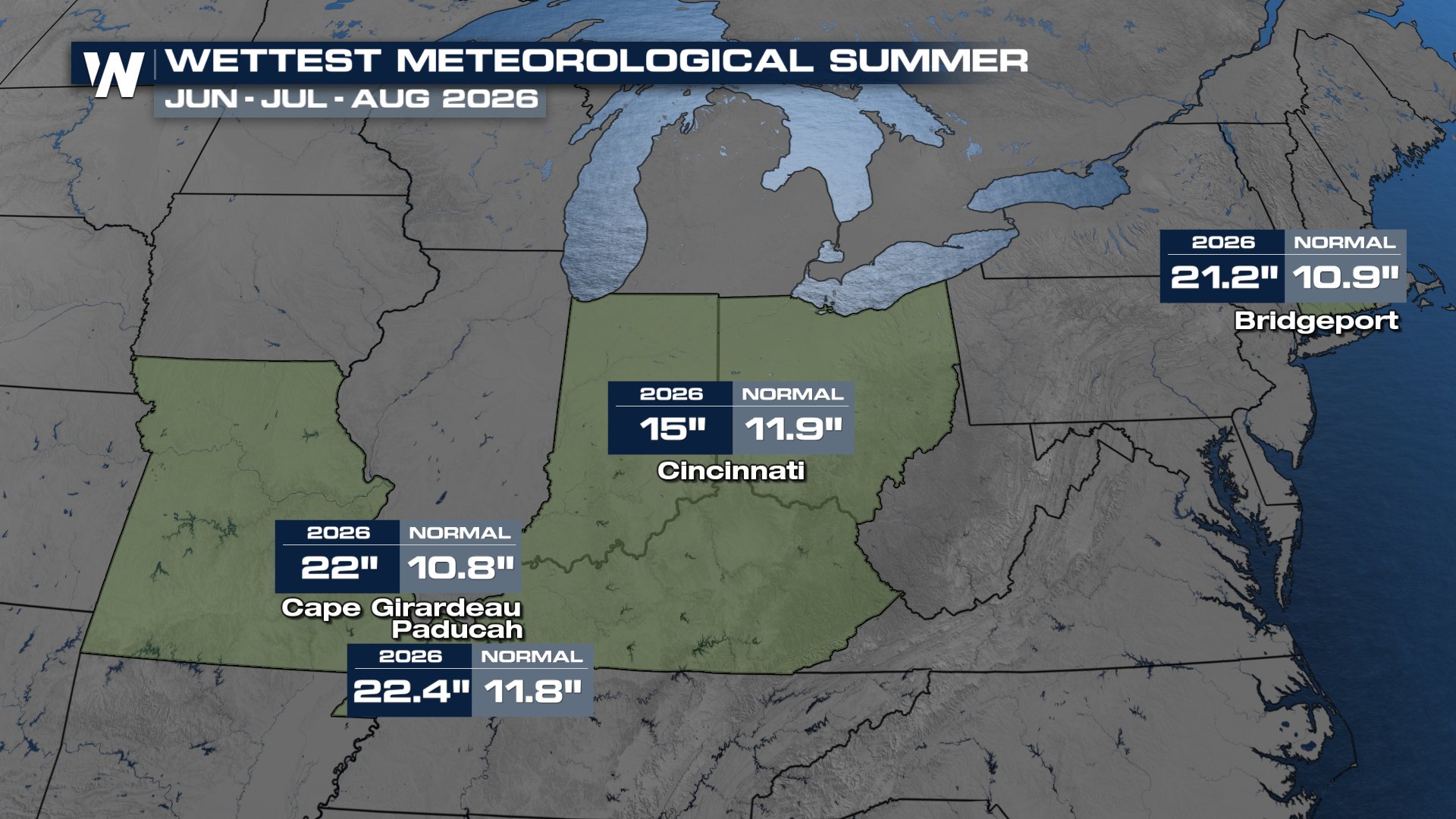
 Meanwhile, in the Northeast, some locations experienced their wettest summer on record. Paducah and Cape Girardeau received more than 22 inches of rain this summer.
 For more on what to expect this fall, be sure to join us on WeatherNation for the latest outlooks!


