Air Quality Improvements in the Forecast

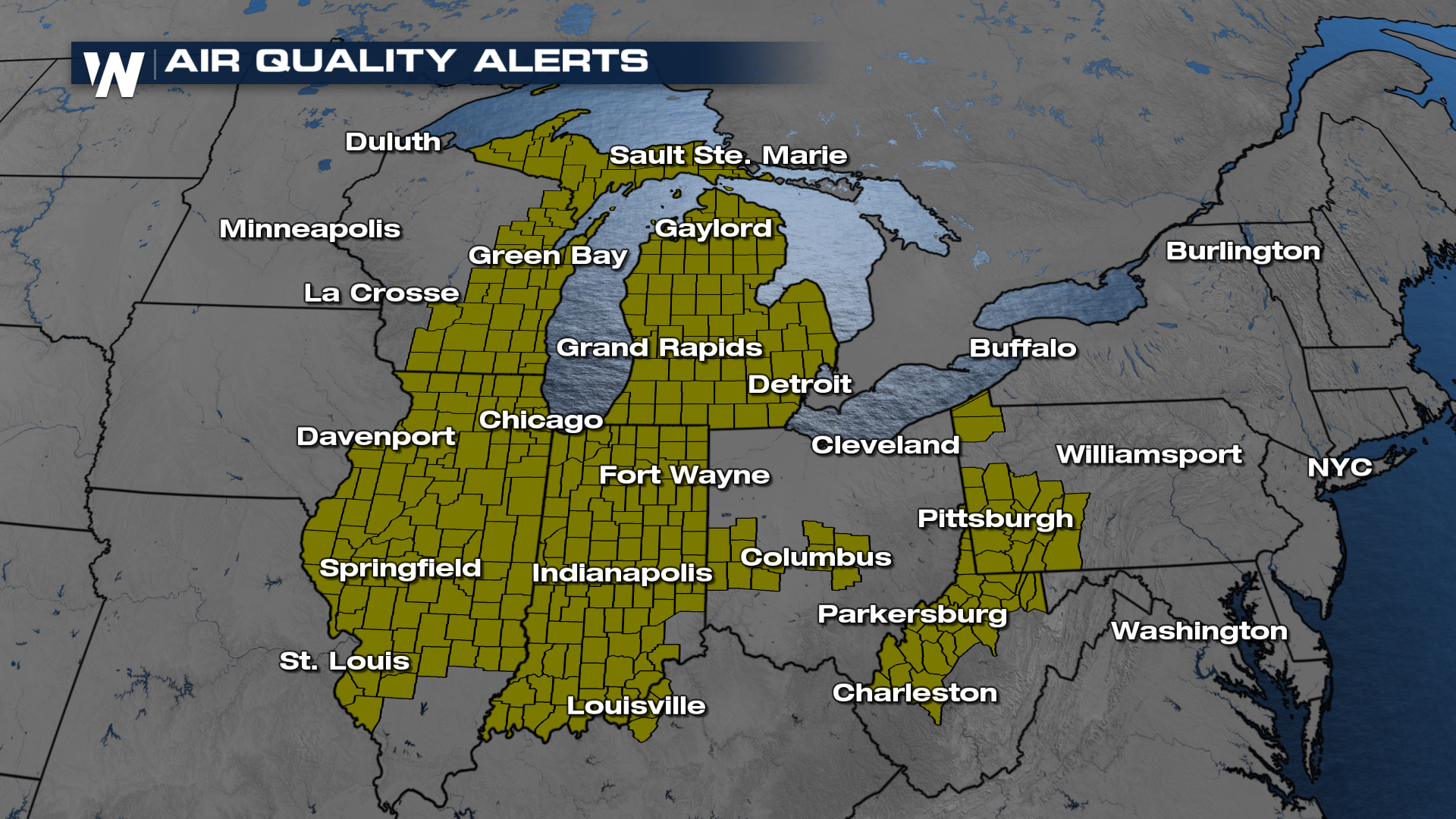
Wildfires burning in Northwestern Ontario, Canada, and northern Minnesota have been producing smoke, and upper-level winds in the atmosphere have been carrying that smoke into the Great Lakes, Midwest, and Northeast. Air quality has improved, but another mild push of smoke is moving through the region today ahead of another front. 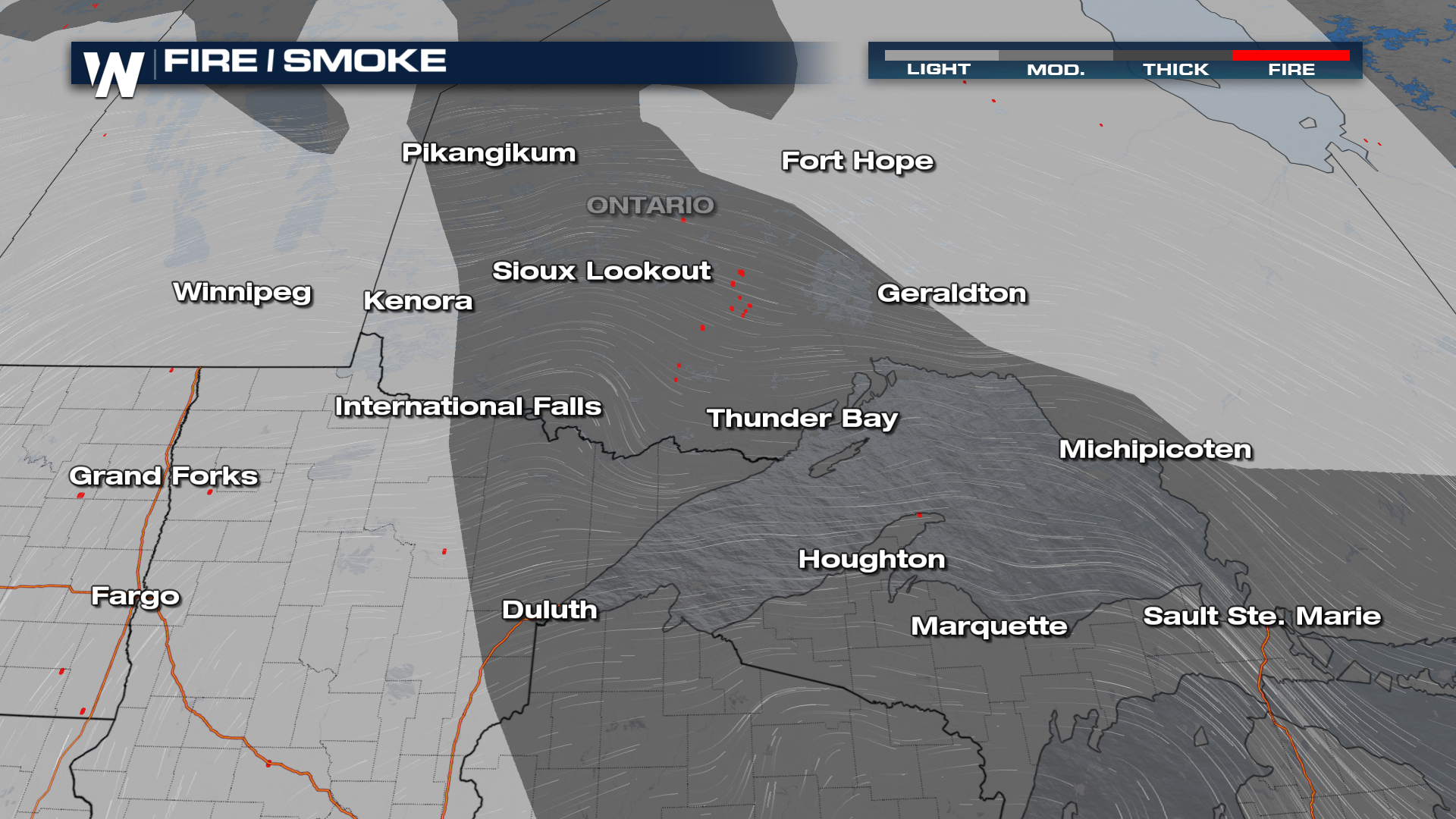 Air quality is still poor enough to lead to air quality alerts today, but there is some hope on the horizon. Another front is dropping through, which should bring some rain, but most importantly, this rain could clear out some of the wildfire smoke. However, there is also the risk that is draws in more wildfire smoke. Our models have the outcome of conditions clearing.
Alerts remain in place across the Great Lakes region and Midwest.
How Smoke from Wildfires Can Impact Breathing
“We know that air pollution in general can really trigger a number of health issues, including simple things that we think about like asthma or COPD, but they can actually also trigger cardiovascular events. And smoke from wildfires is no exception,” said Samuel Gurevich, MD, pulmonologist at Cleveland Clinic. “They actually put into the air a lot of what we call particulate matter, which are these very, very fine particles of dust and other organic matter that then can easily be breathed in and can irritate the airways or even be absorbed into the bloodstream.”
Dr. Gurevich said other groups that could be affected by the wildfire smoke include children with hard to control asthma, women who are pregnant, and people with pre-existing heart conditions.
So, what can they do to help stay safe? He recommends checking the air quality for your city before going out for the day. That information can be found online or within many weather apps. If the air quality is bad, it’s best to stay inside.
“Make sure your windows are closed and your air conditioning is on. HEPA filters do a reasonably good job, as well, if you have access to that. Those are all those things you should be prepared with. And if you do already have a diagnosis of a respiratory illness like asthma, COPD, or emphysema, have a rescue plan in place,” he said.
Dr. Gurevich said if you do have to go outside, try to make it as quick as possible. You could also wear an N95 mask. Anyone experiencing shortness of breath or worsening symptoms should seek medical attention right away.


