Weather Leads to Hole in Ozone Layer

Atypical weather conditions caused the Antarctic ozone hole to grow this year, according to NOAA and NASA. Don't worry though, they still expect the protective layer to recover later this century.
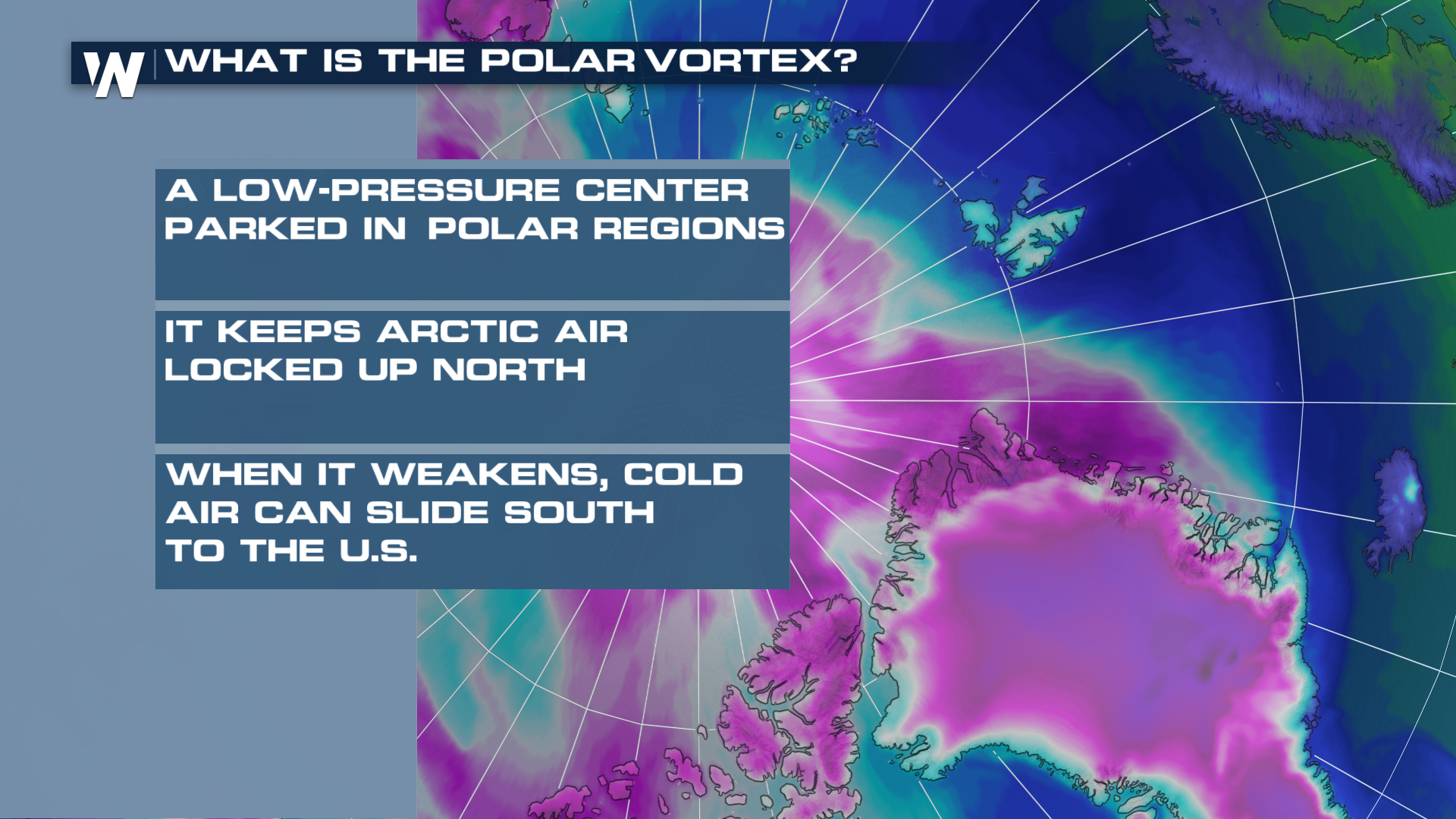
Since the polar vortex was so strong this year, the ozone hole became the 7th largest in 48 years of monitoring. NASA & NOAA said the hole would be larger without international cooperation to reduce ozone-destroying chemicals. The worst of the depletion occurred between September 7 and October 13. However, the hole is forming later and later in the year, which is a sign it's still healing.
The ozone depletion process begins when human-made compounds containing chlorine and bromine are released into the environment. Air currents carry the gasses up into the stratosphere, where they get broken down by UV radiation. The freed chloring and bromine is what enables ozone destruction. An unusually large polar vortex kept conditions favorable for depletion to occur in September and October. This hole isn't as big as the ones observed 10 to 20 years ago.


