NOAA holds steady with below-average Atlantic hurricane season forecast

NOAA is not changing its outlook for the 2026 Atlantic hurricane season, continuing to forecast fewer tropical storms and hurricanes than what is typically seen during an average year.
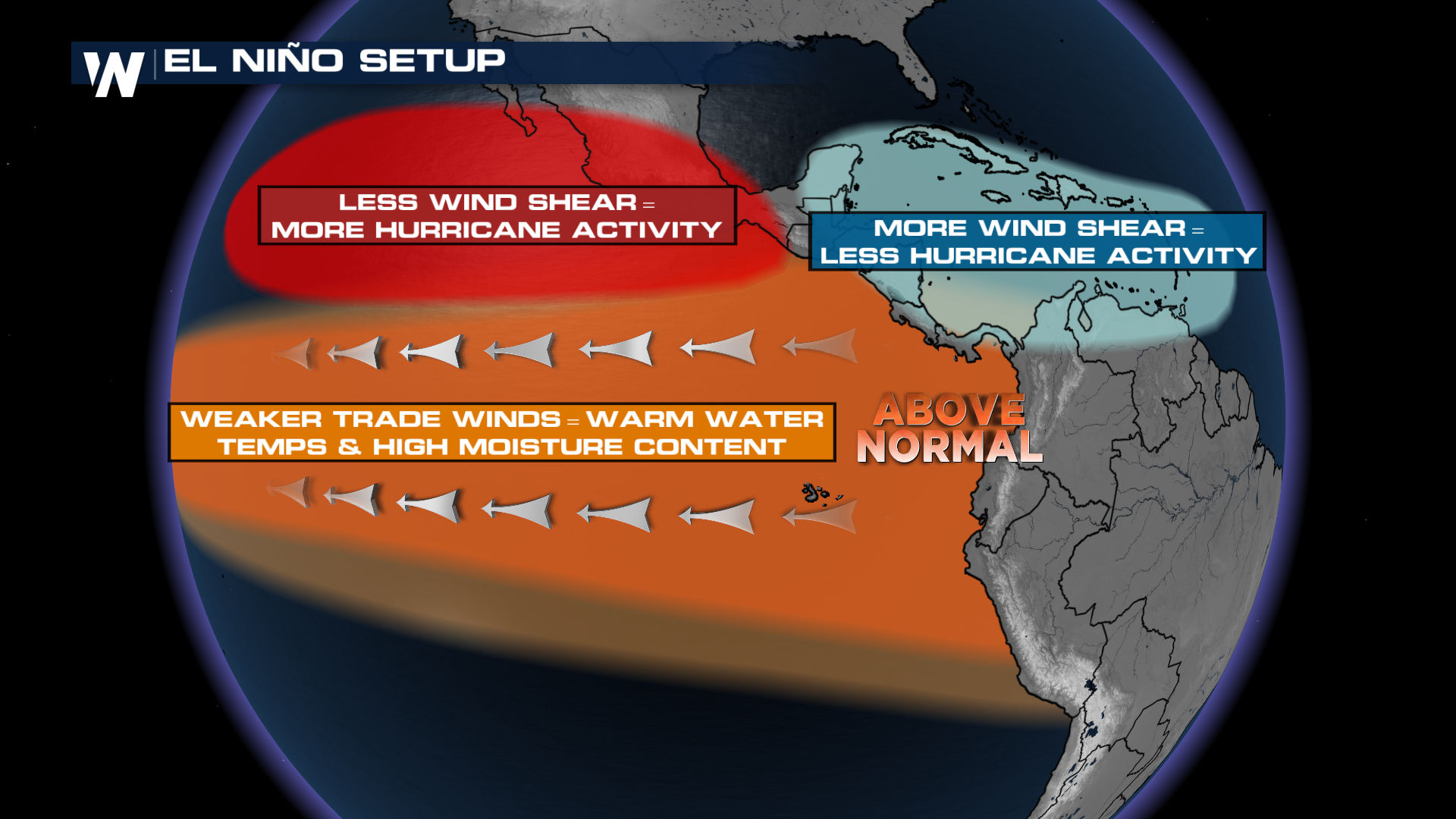
Forecasters say the overall pattern across the Atlantic and Pacific Oceans still supports a quieter season. The ongoing influence of El Niño is expected to create stronger upper-level winds over the tropical Atlantic, making it harder for developing tropical systems to organize and strengthen into hurricanes.
NOAA continues to predict 7 to 13 named storms this season. Of those, 2 to 6 are expected to become hurricanes, while 0 to 2 could reach major hurricane strength, with sustained winds of at least 111 mph.
The agency says there is a 75% chance of a below-average season, a 20% chance of near-average activity, and only a 5% chance of an above-average season.
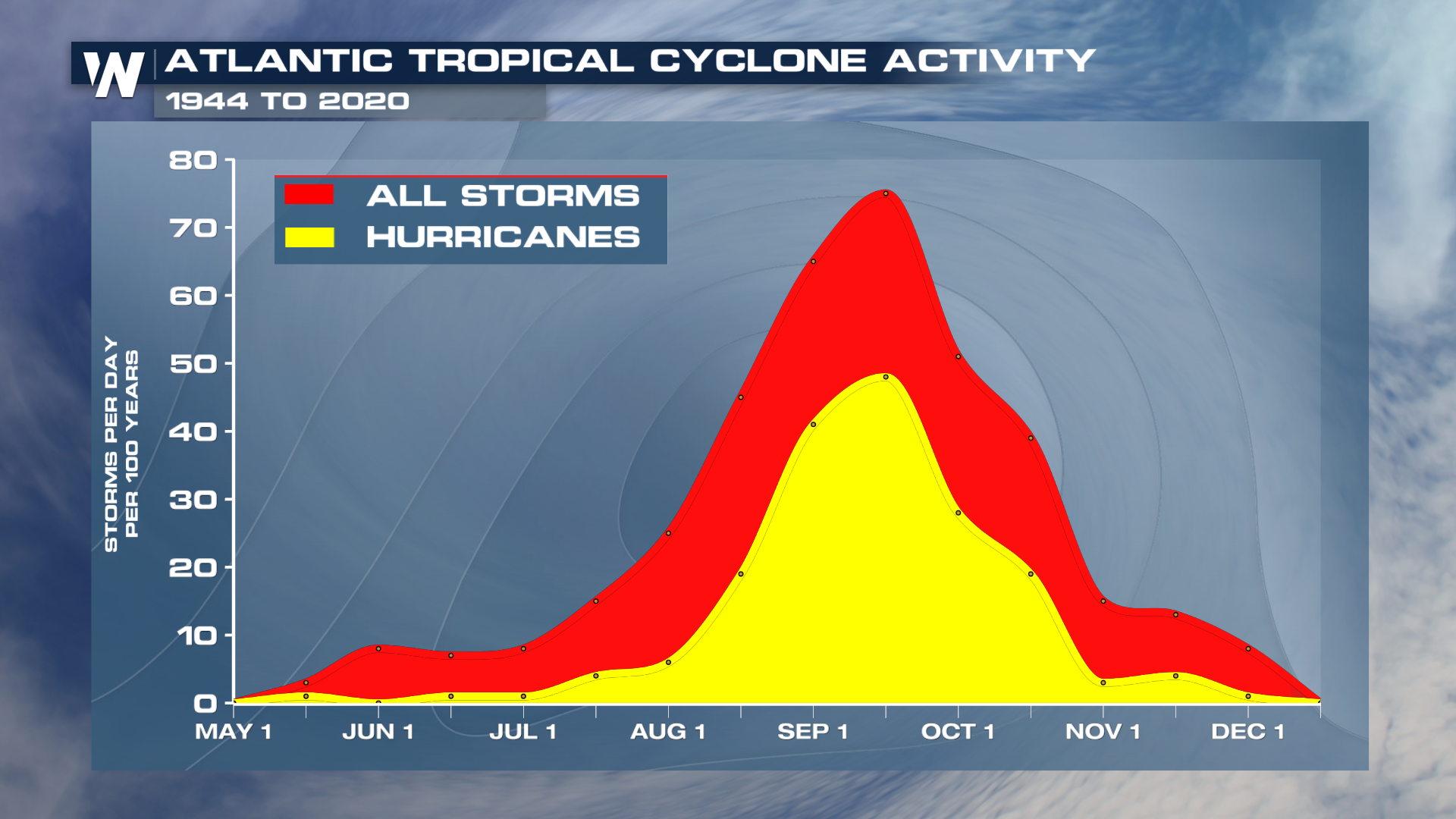
Although the season has been relatively quiet, with only two Gulf storms in the Atlantic basin thus far (Arthur & Bertha), NOAA cautions that the busiest stretch of the Atlantic hurricane season is just beginning. Historically, tropical activity ramps up in August and peaks around mid-September before gradually declining through the fall.
NOAA also reminds residents that seasonal forecasts are meant to estimate the total number of storms, not where they will track. It only takes one hurricane making landfall to produce significant damage and life-threatening impacts, regardless of whether the season ends below average.
With several months remaining in hurricane season, emergency officials encourage people living along the Gulf and Atlantic coasts to have a hurricane plan in place, review evacuation routes, and keep emergency supplies ready in case a storm threatens their area.


