One of the Best Meteor Showers of the Year Peaks Tonight

After the solar eclipse happens Wednesday afternoon grab some coffee, because one of the best meteor showers of the year peaks late Wednesday night into Thursday morning!
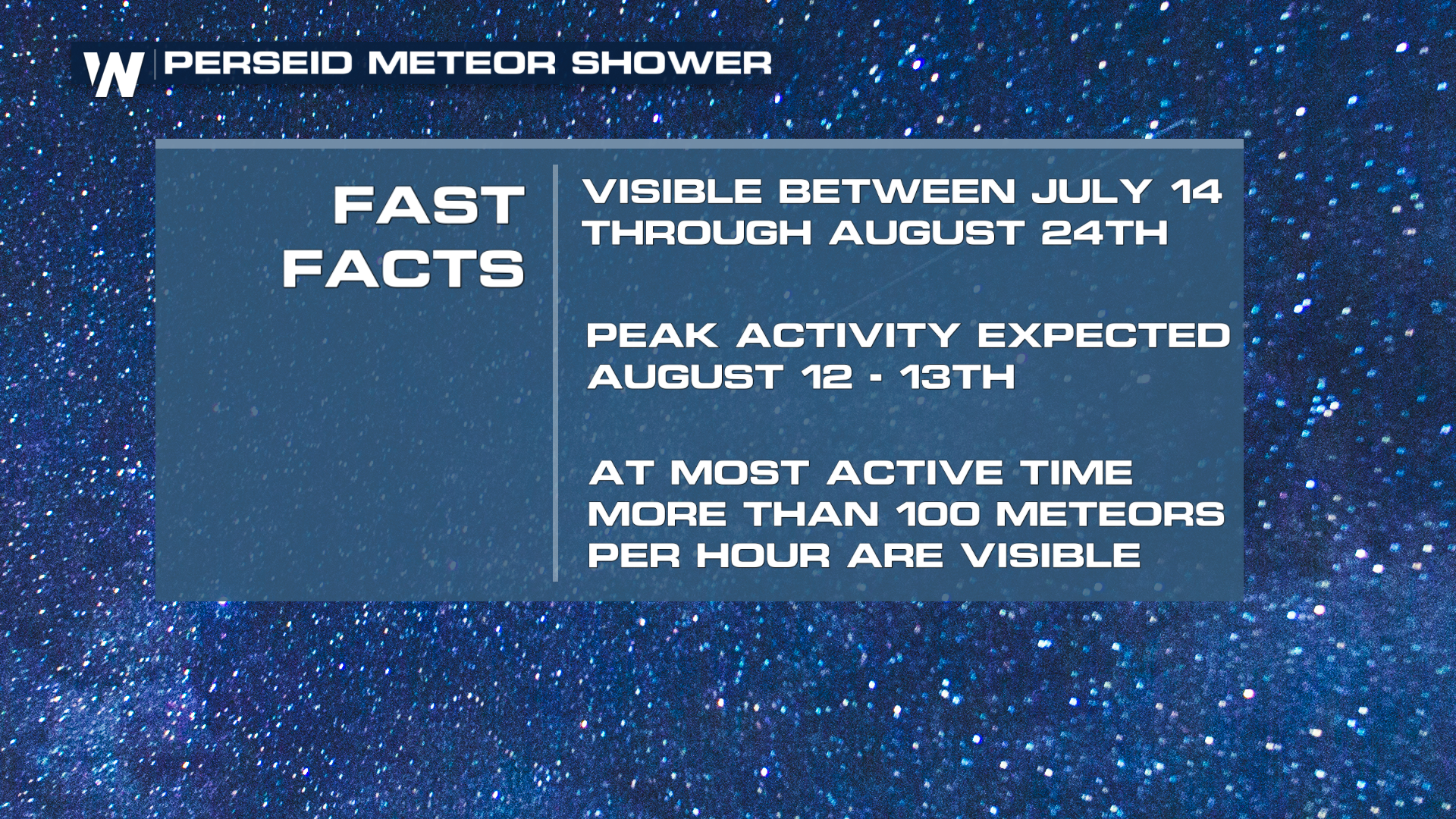
The Perseid meteor shower is often considered the best of the year for it's high rate of meteors and warm overnight temperatures, especially compared with the Geminids which peak in December. This year's show could be particularly dazzling since the moon will be new, leaving skies perfectly dark away from light pollution. The meteors are named after the constellation from which the appear to emanate, which is Perseus, located in the east-northeast this time of year.
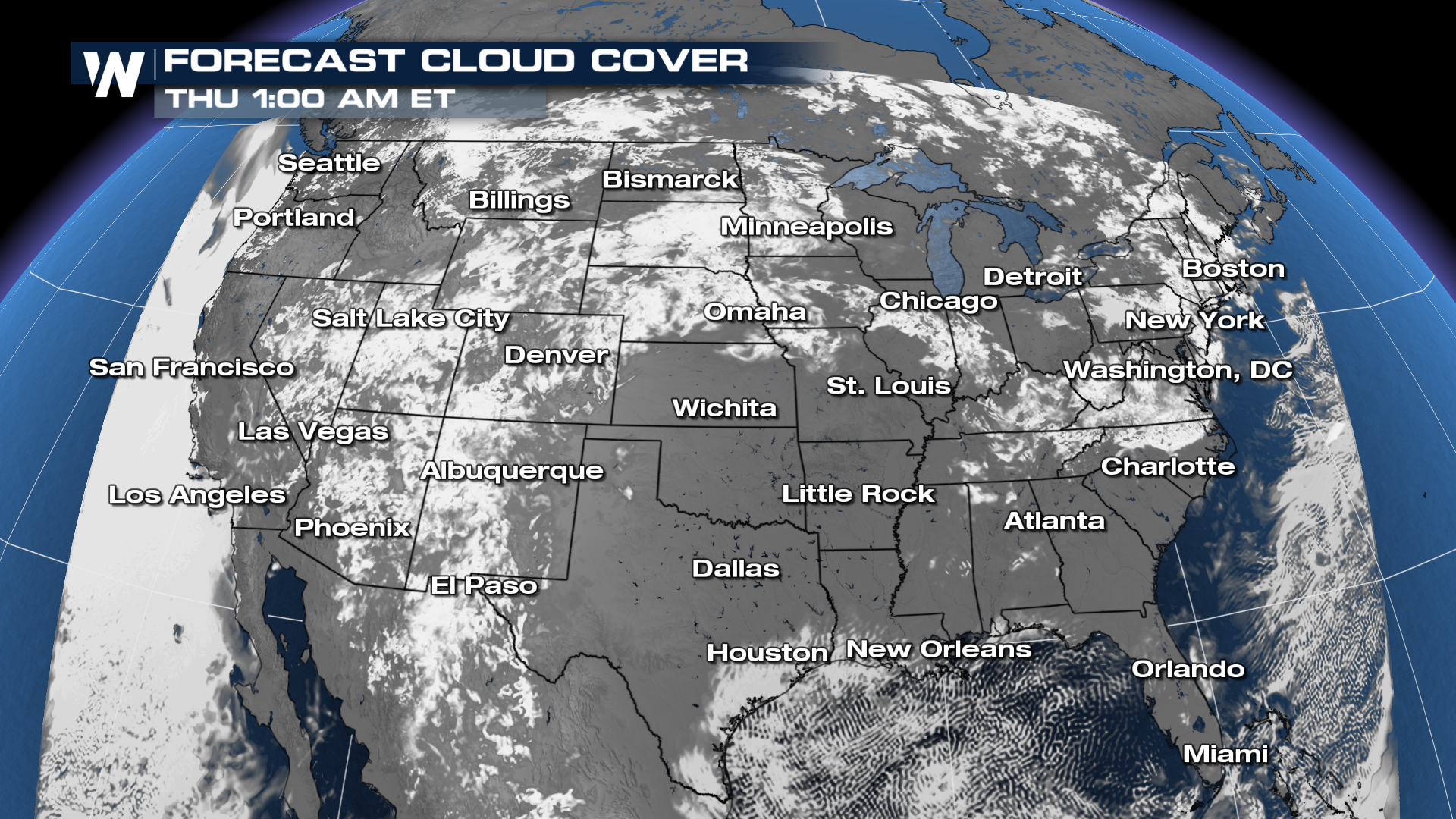
 While clouds are forgotten about most days that don't involve the beach, they become your worst enemy when it comes to viewing the cosmos at night.
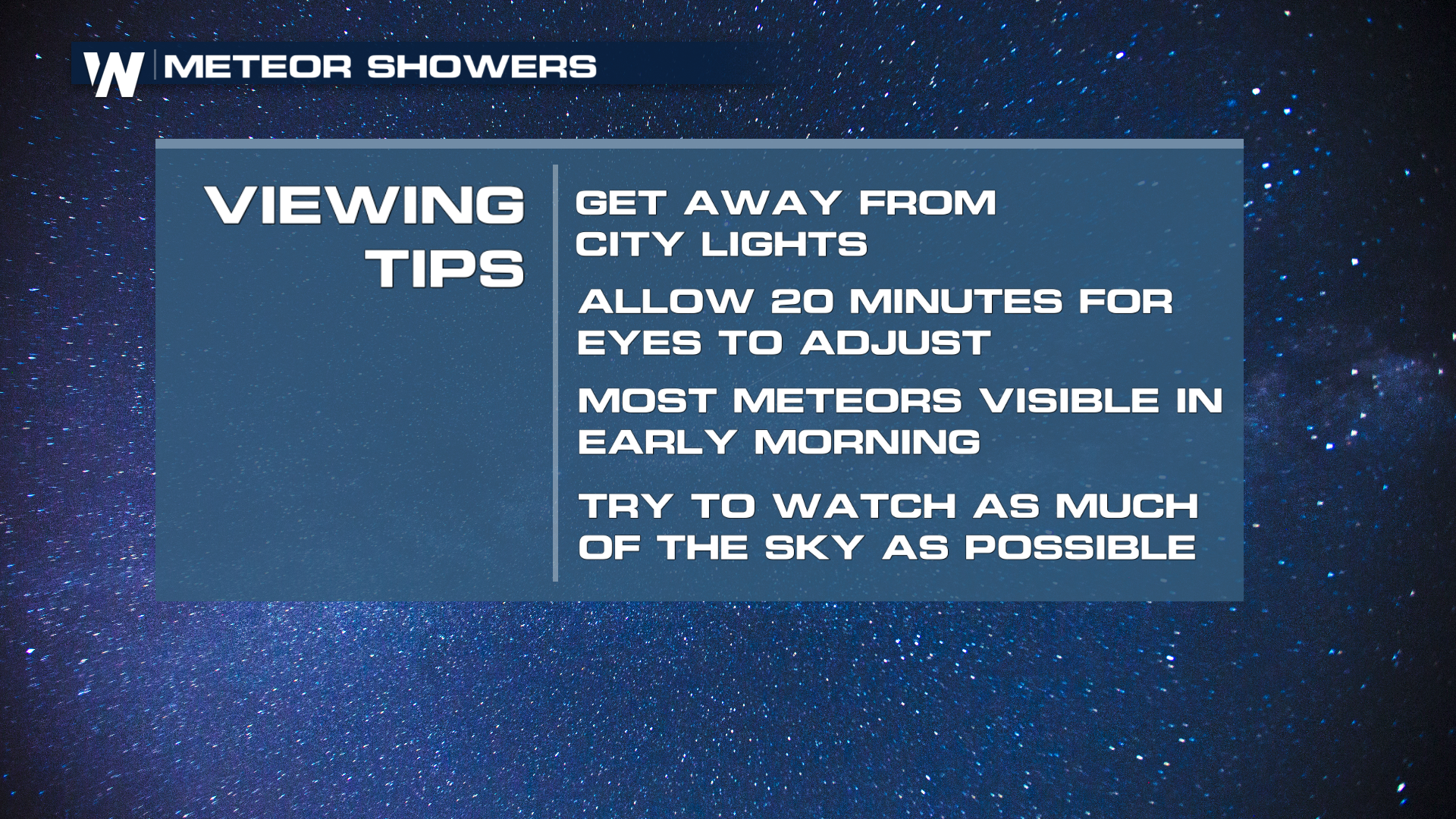
 Do you need to bring binoculars for a meteor shower? No! Try to take in as much of the sky as possible at once, which will let you see as many meteors as possible. Find a dark place away from city lights, give your eyes about 20 minutes to adjust, and wait for the show! Meteors can come in bursts so don't be discouraged if you don't see many initially, or if the rates slow down. Bring some lawn chairs or a blanket, snacks, and some beverages.