Could Major Cold Snap Cause "Exploding Trees"?

If you've scrolled through social media lately, you may have seen the headlines warning of "exploding trees" due to the extreme cold in the Upper Midwest and Northern Plains. But is that actually true?
We spoke with experts at the Dave Tree Company to learn more.
Lou Meyer, a certified arborist, said when referring to "exploding trees", people shouldn't expect Bugs Bunny types of explosions. Trees will instead crack as the fluids within them freeze rapidly due to dramatic drops in temperatures.
Meyer goes onto explain that sudden temperatures drops of warm to cold can cause the trees to be more susceptible to the cracking, especially around the bark. He also added that trees that receive more sunlight, say on a south facing side, are more likely to crack as the sun will heat up part of the tree while the rest of the plant remains colder.
While Meyer said you can sometimes hear tree cracking occurring, it won't be anything truly explosive.
You may also be hearing thundersnow, or sometimes even cryoseisms, or frost quakes. Both are other rare winter phenomena.
Meyer emphasizes, "Trees don't really explode...except when they're hit by lightning."
CENTRAL U.S. FORECAST:
Places like Minnesota, and the Dakotas are in a region that could see potential tree cracking as temperatures plummet well below zero. Dangerous wind chills are also forecasted through the weekend with some locations expected to dip nearly 40 to 50 degrees below zero.
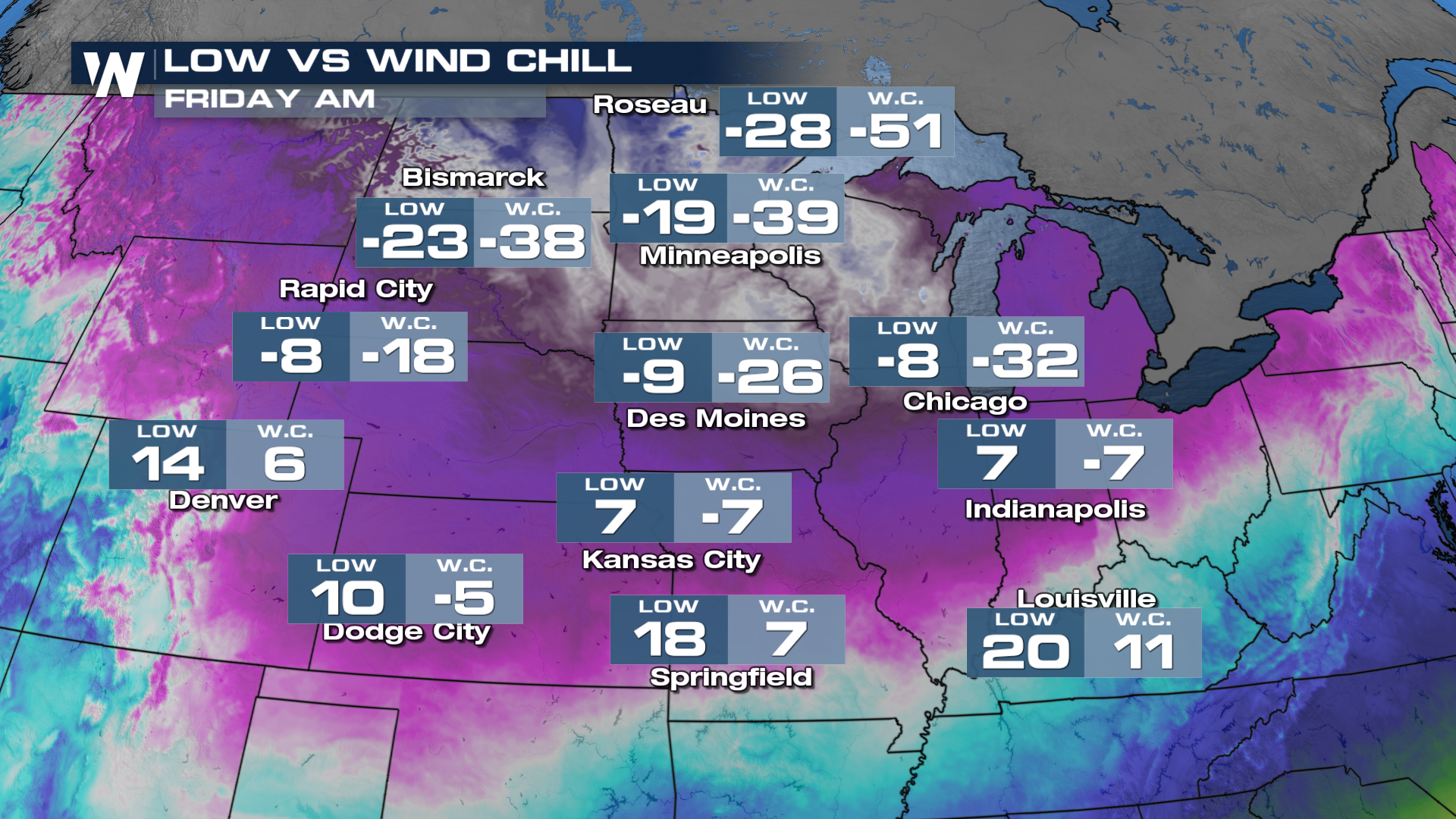
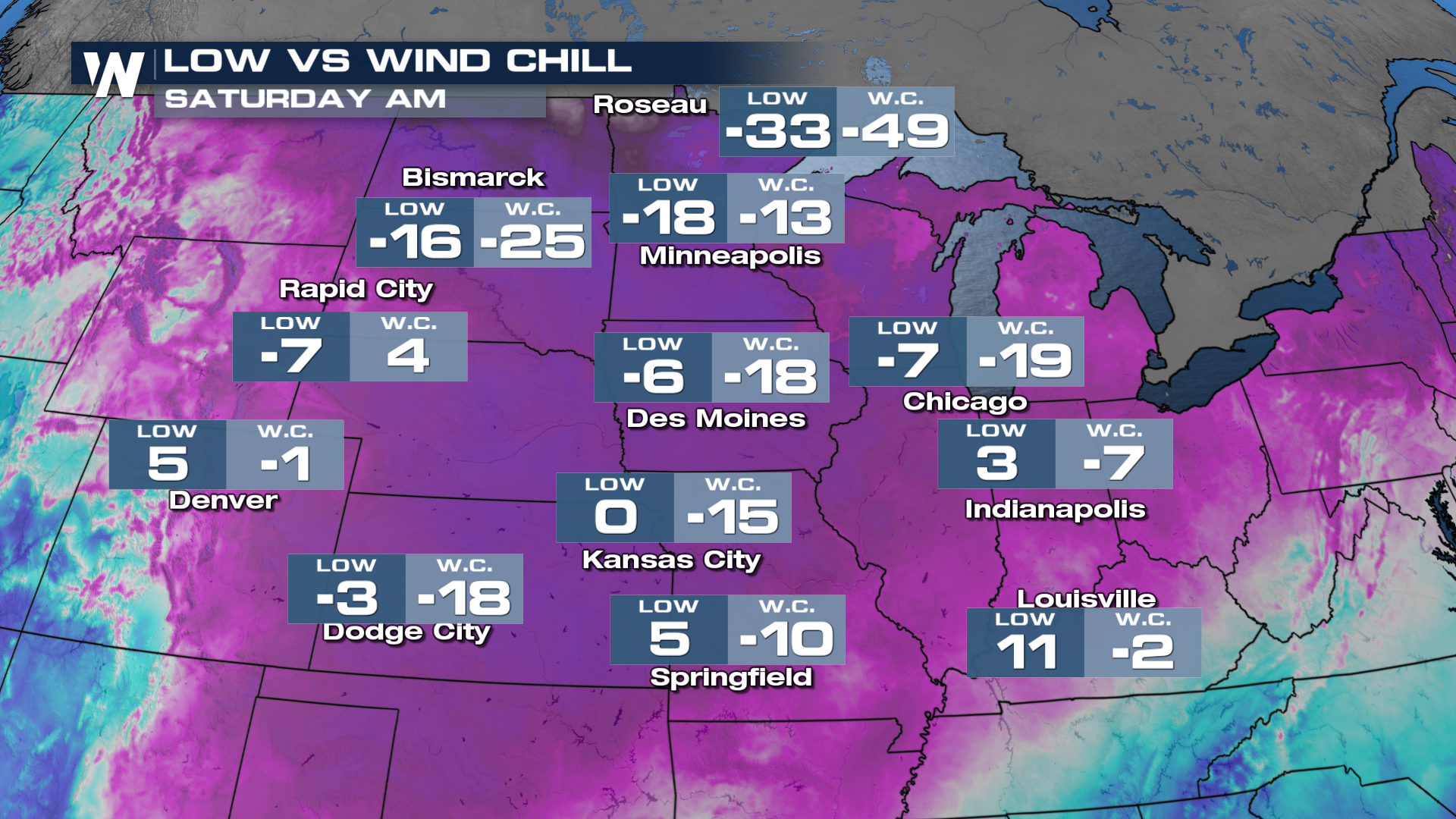
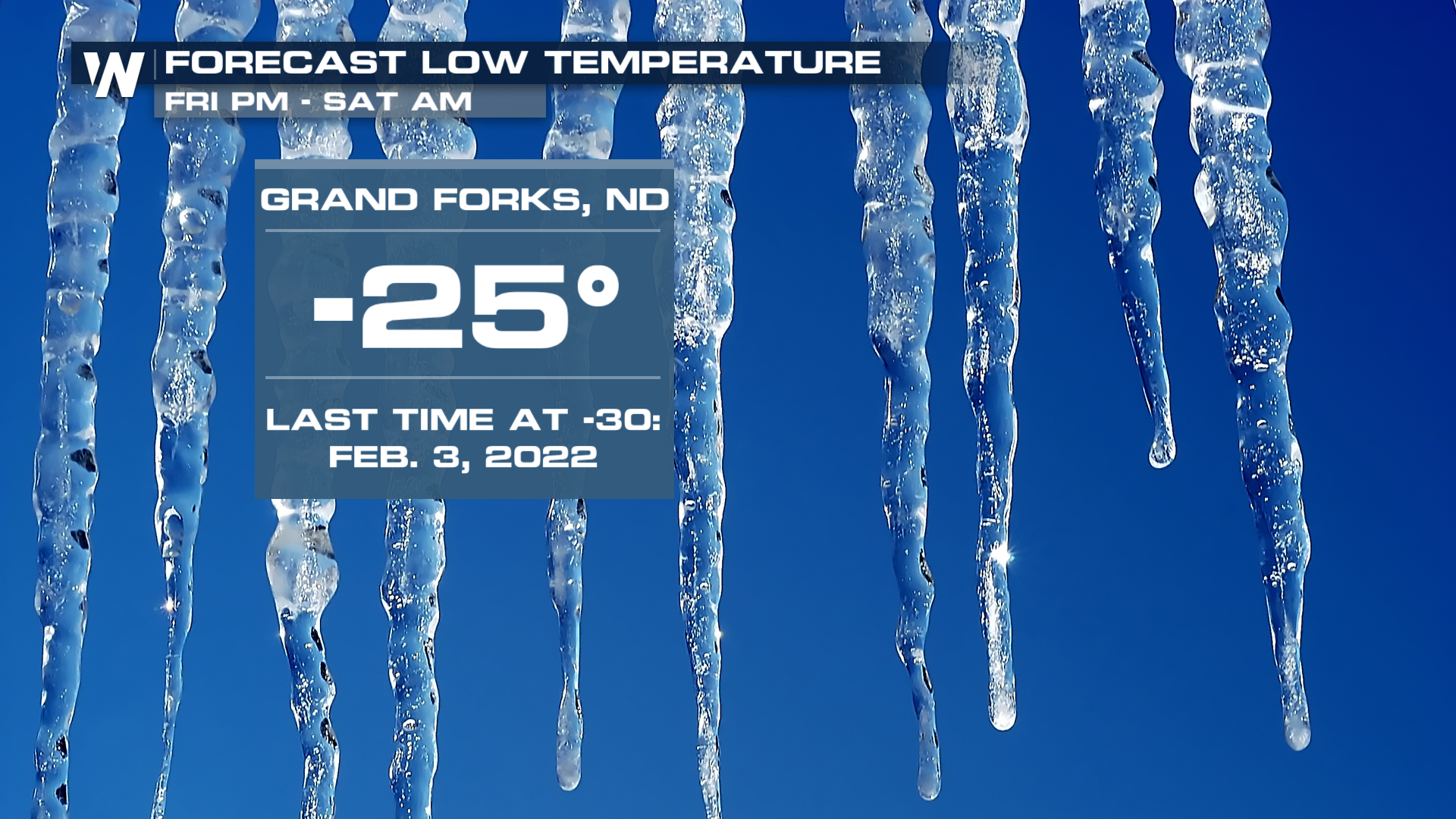 SOUTHERN U.S. FORECAST:
While cold air is expected to dip deep into the southern tier of the country, temperatures won't feel as extreme, but will have just as much of an impact. The colder air is helping to provide the threat of icing across the South and into the Northeast by next week.
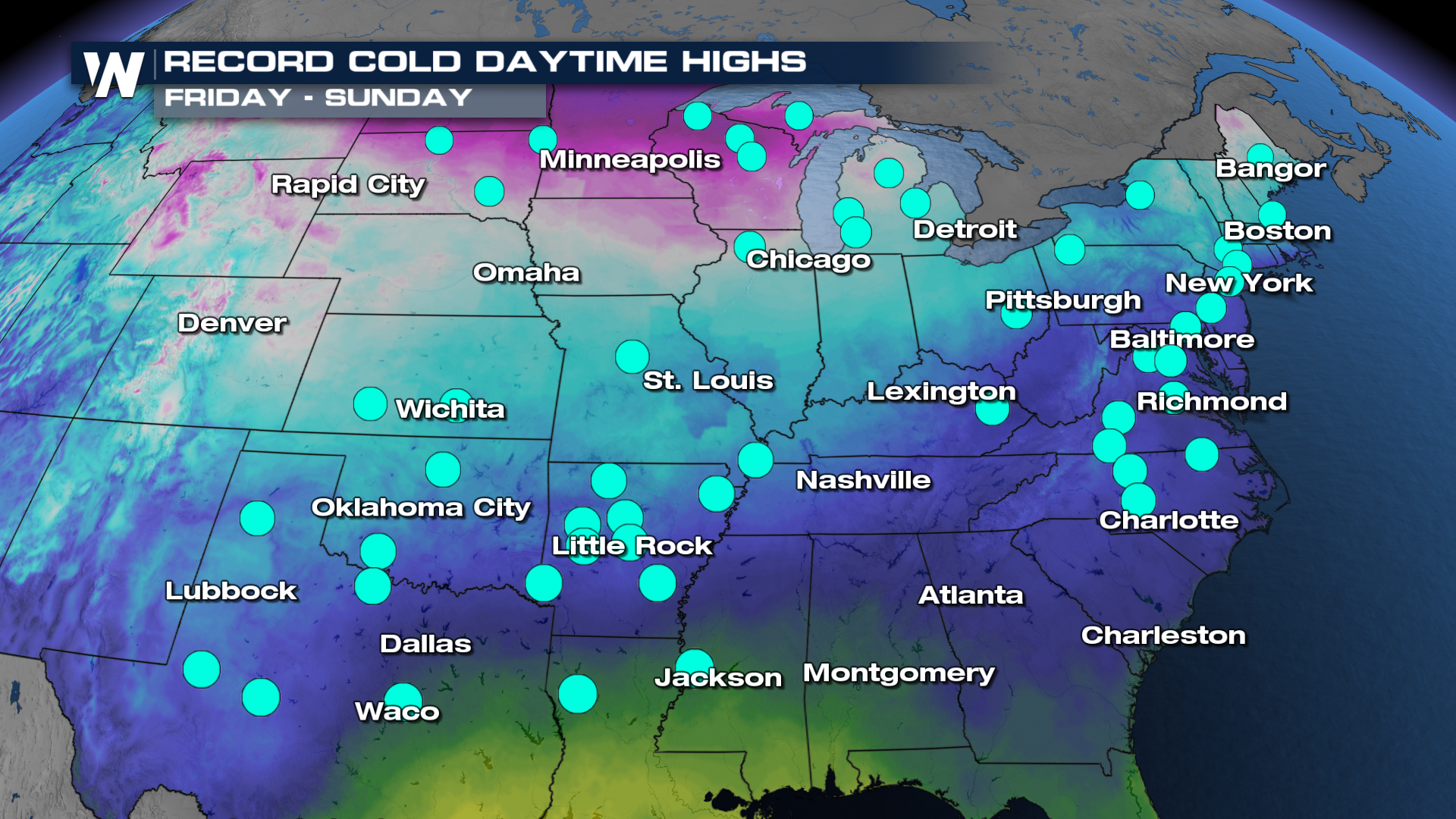 Record cold is expected across various states over the weekend. Several National Weather Service Offices are advising residents to be aware of the cold, and to dress appropriately while they prepare for the snow, cold, and ice.
We spoke offices in the Little Rock, Arkansas and Norman, Oklahoma to discuss the impacts the cold will have on their communities.


