How Rare are Total Solar Eclipses?
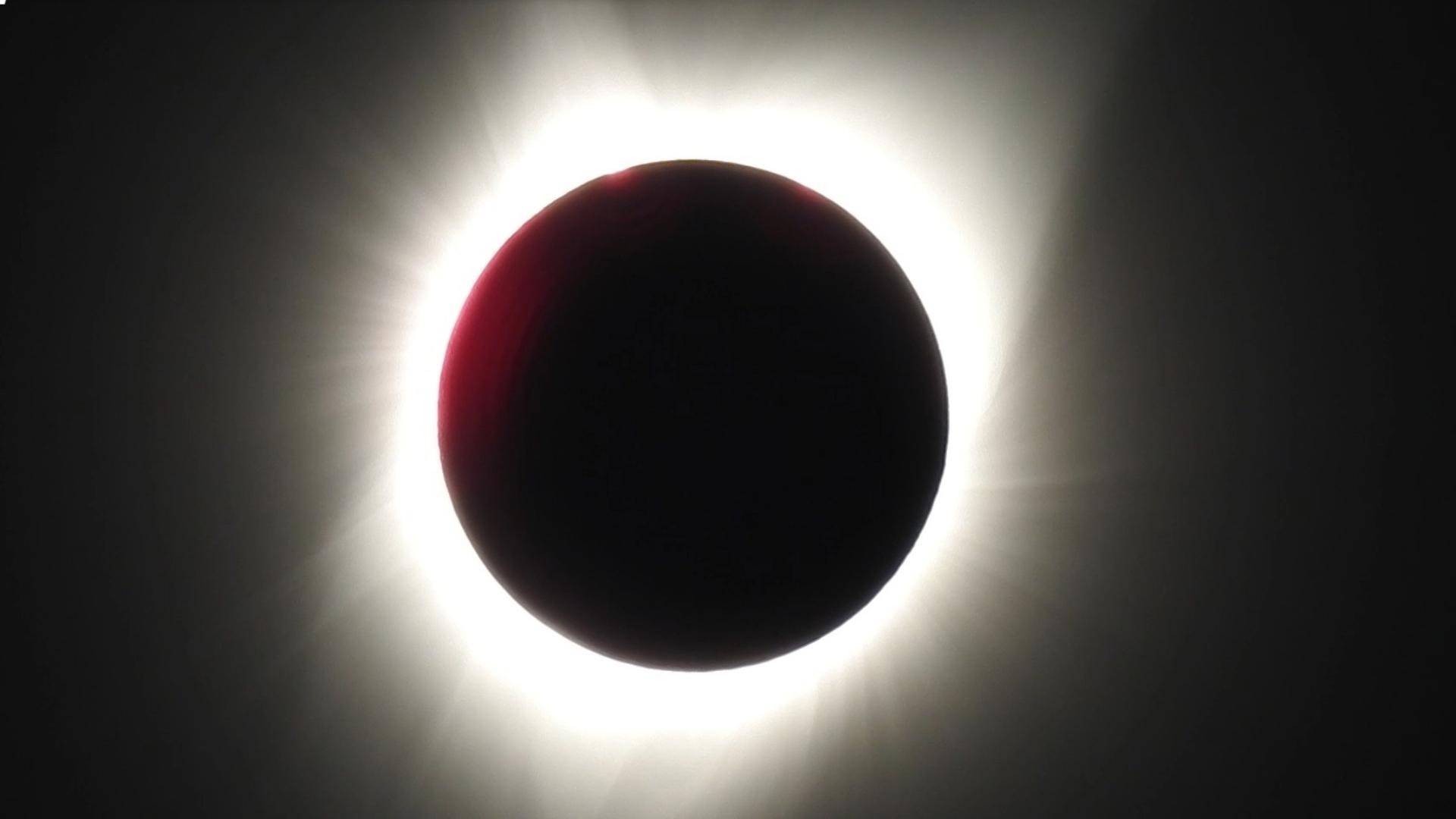
Above - total solar eclipse over Oregon in 2017, taken by WeatherNation field correspondent, Brandon Clement.
Here is a way to TRACK your time in the eclipse thanks to NASA
A solar eclipse is like goldilocks and conditions must be just right. First ... Solar eclipses only happen during a new moon when the moon and sun are on the same side of the Earth. Second ... The Moon's orbit around the Earth is a bit tilted meaning its shadow doesn’t always line up with Earth. For a total solar eclipse to happen, the Earth, Sun, and Moon need to be in a straight line with the moon placed directly between the Earth and Sun which happens only twice a year. Even though the moon is 400 times smaller than the sun, its closer position to the Earth allows it to block out the sun when everything aligns.
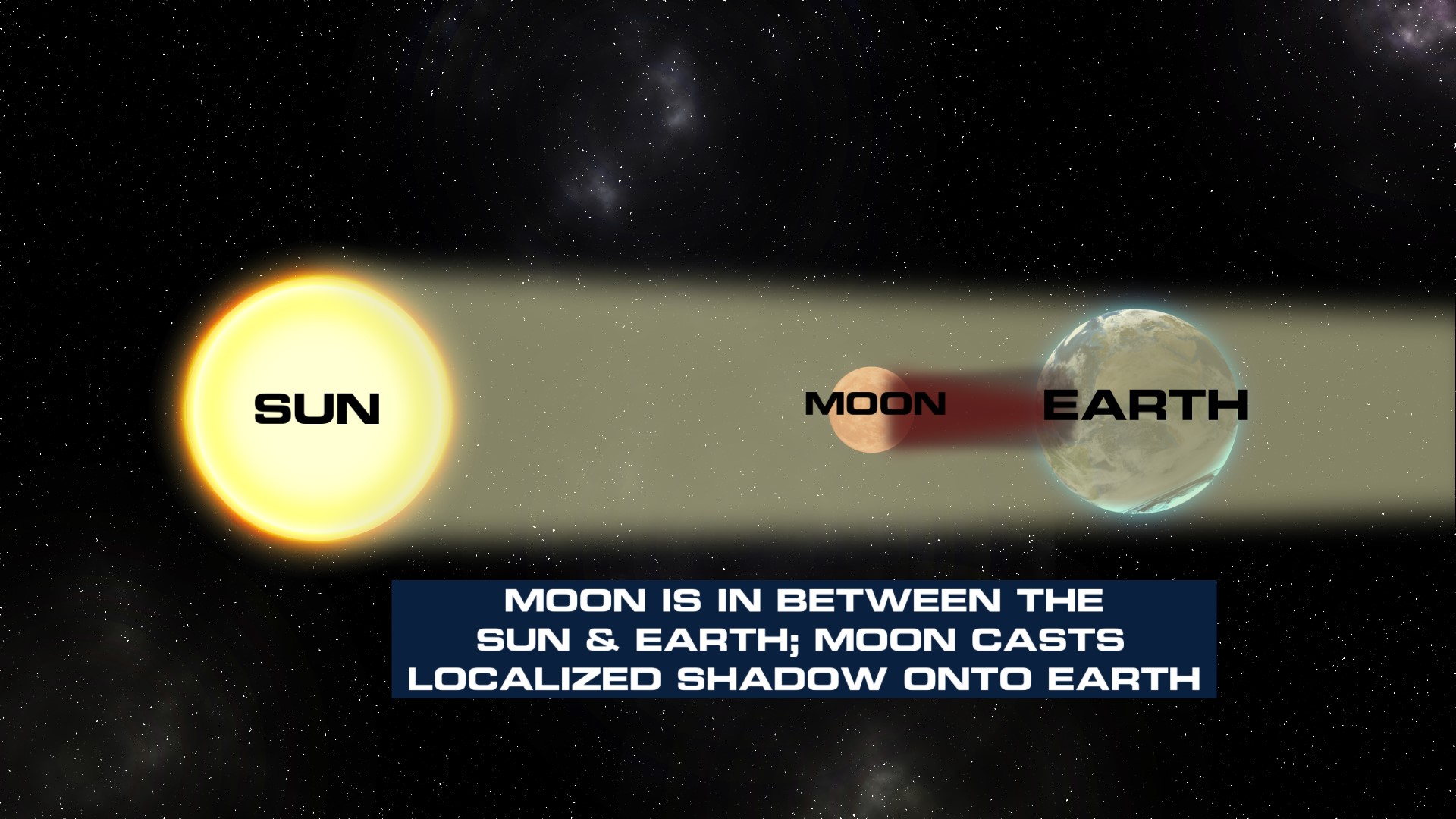 Depending on the position of the moon, totality can vary in length. This year we will be dark for an average of 3 ½ to 4 minutes. In 2017 we had about 2 minutes of totality, but during a 1973 eclipse, there was over 7 minutes of darkness.
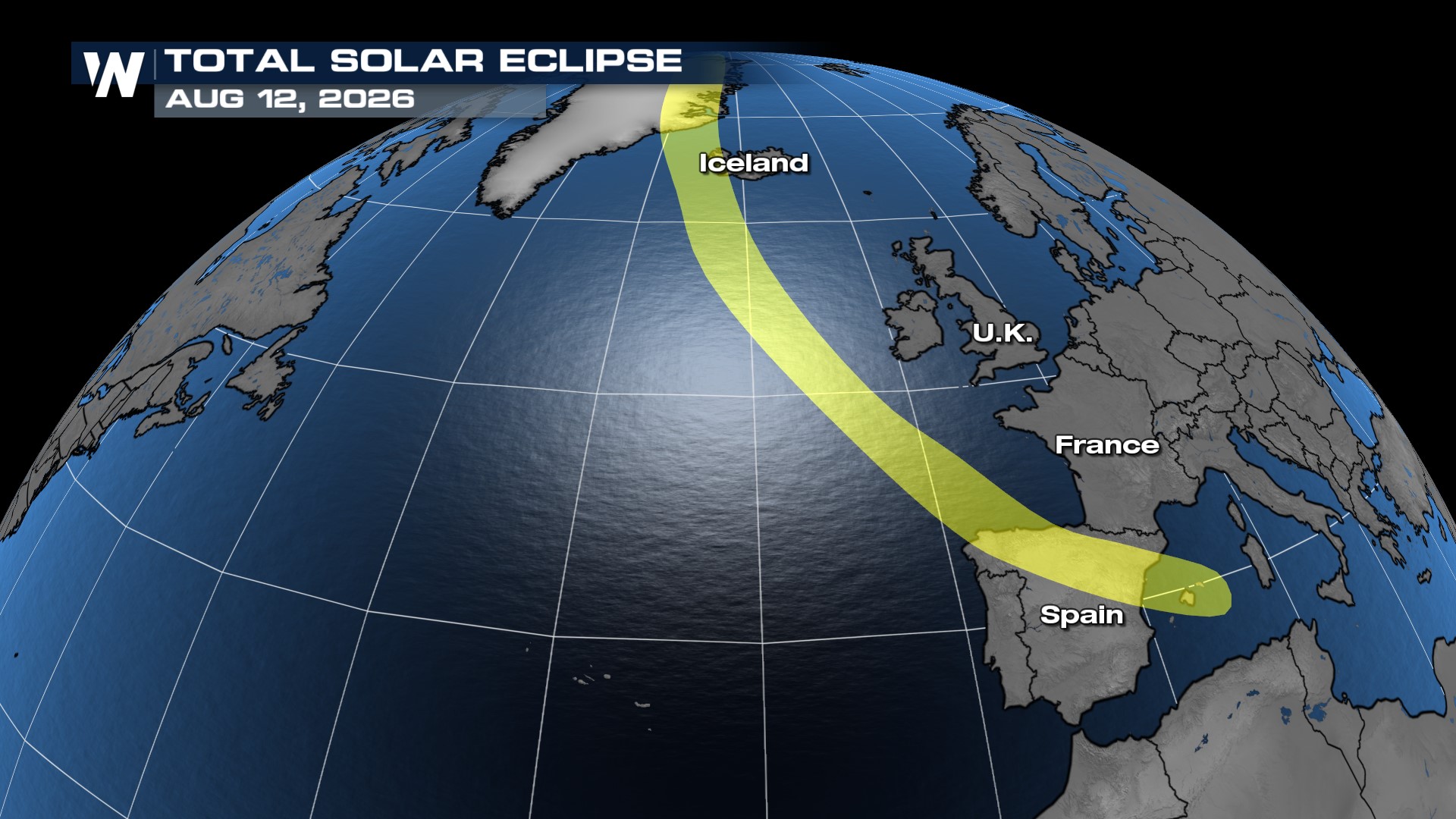
For both the new moon and orbit alignment conditions to happen at the same time is not as rare as you think ... total solar eclipses happen roughly every 18 months. But with 70% of Earth covered by water, it makes the chance of a solar eclipse over land a rarer occurrence. The next total solar eclipse happens over Earth in August of 2026 but will be visible only to those in Greenland, Iceland, and Spain.
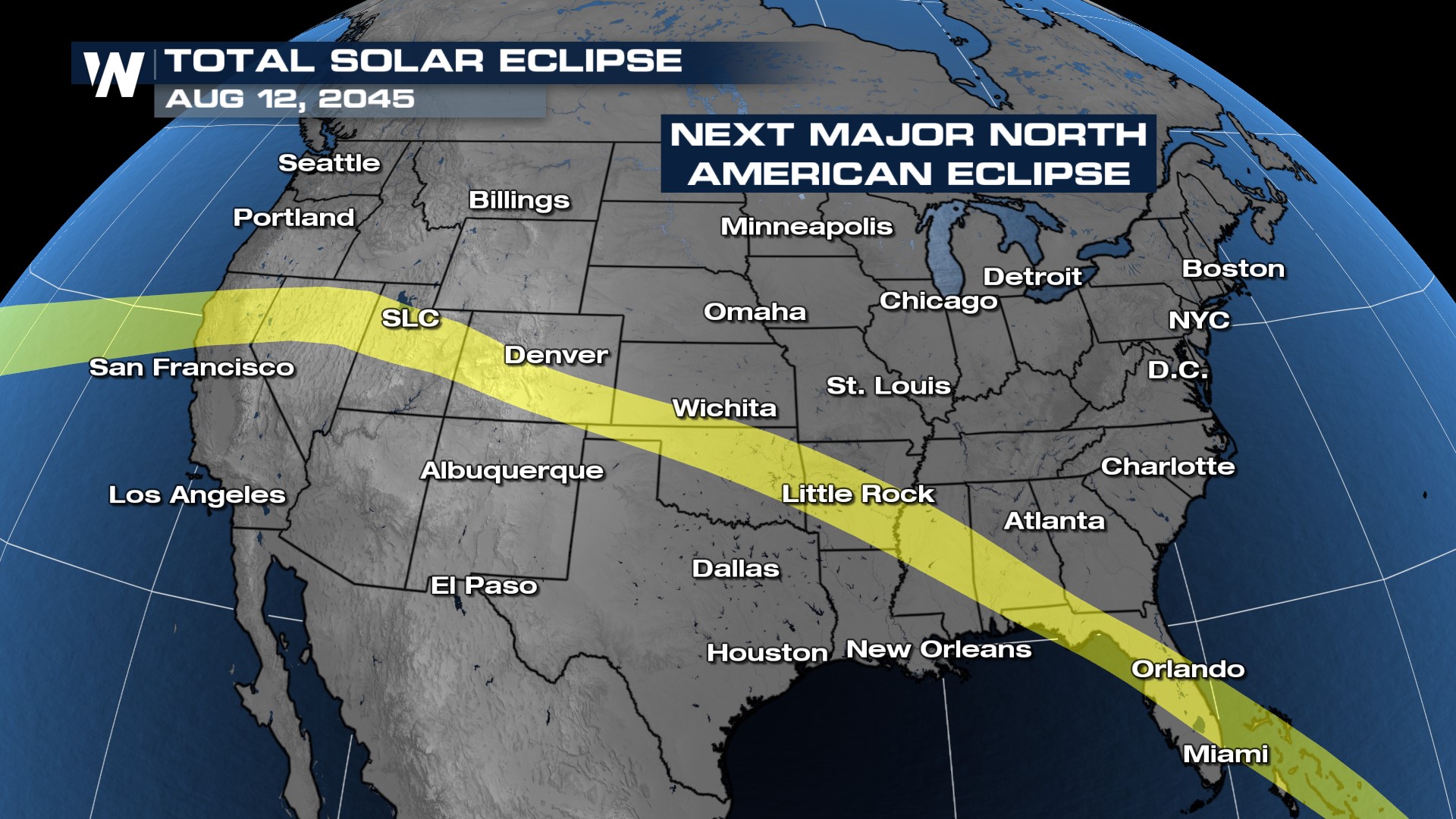
 The next time the stars align for a total solar eclipse for much of the lower 48 won’t be for another 21 years ... on August 12, 2045, when the shadow will cut a path from northern California to Florida.
 More Articles:
5 Cool Things You Can See During the Eclipse
5 Things You Need to Know About the Eclipse


