Morrill Fire - Largest in Nebraska State History

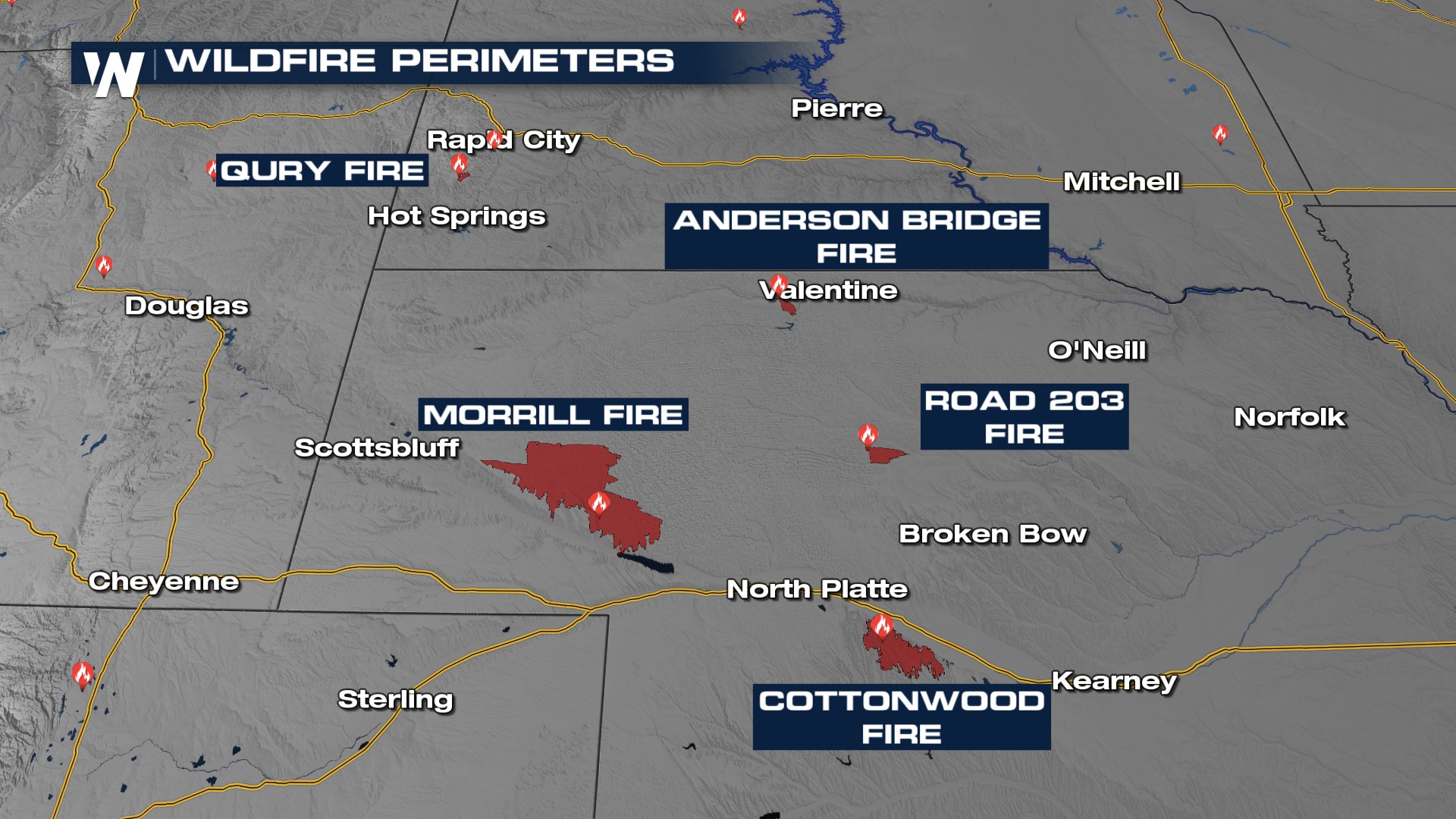
NEBRASKA - On Thursday, March 12th, a vegetation fire broke out with visible heat signatures detectable on satellite. As winds shifted and the fire headed south quickly, mandatory evacuations were prompted near the town of Oshkosh, NE. Since then, the fire has continued to grow, becoming the largest in state history for the state of Nebraska, named the Morrill Fire.
Acres: 643,074
Containment: 98%
Status: Active
Counties involved: Keith, Arthur, Garden, and Morrill
Additional fires broke out across the state on this critical fire risk day, including the Cottonwood Fire, which has now burned about 130,000 acres with 80% containment. This fire broke southeast of North Platte in Dawson, Lincoln, and Frontier counties. Evacuations were ordered last week but lifted on Saturday, March 14th.
The governor of Nebraska Jim Pillen issued an emergency proclamation to unlock state resources and support the response to multiple wildfires in central and Western Nebraska. The fires include:
The Road 203 Fire (within the Nebraska National Forest) - 35,916 acres | 76% contained
Cottonwood Fire (near Brady and Gothenburg) - 131,259 acres | 78% contained
Morrill County Fire - 643,074 acres | 67% contained
Fire Outlooks and Forecast
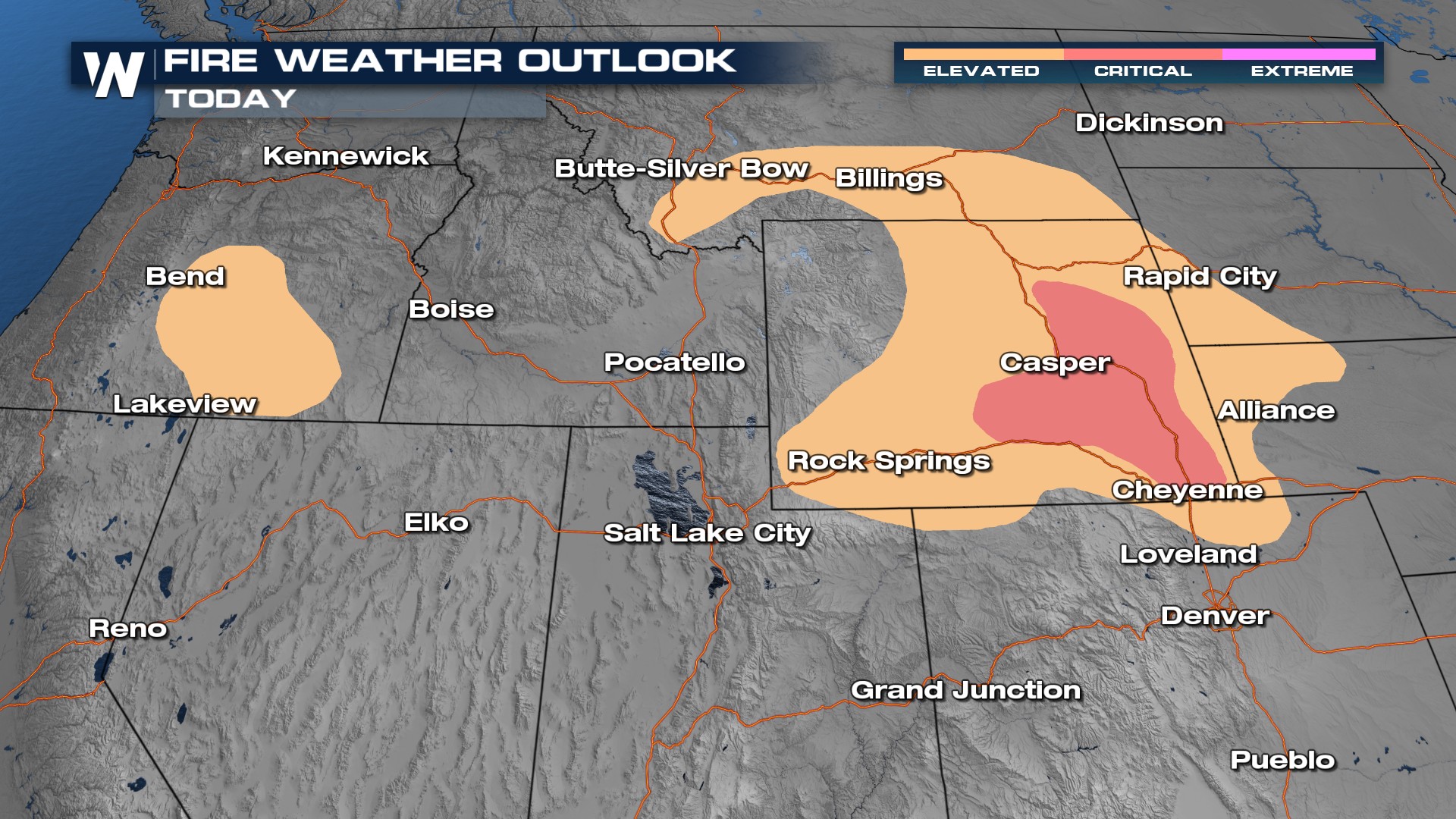
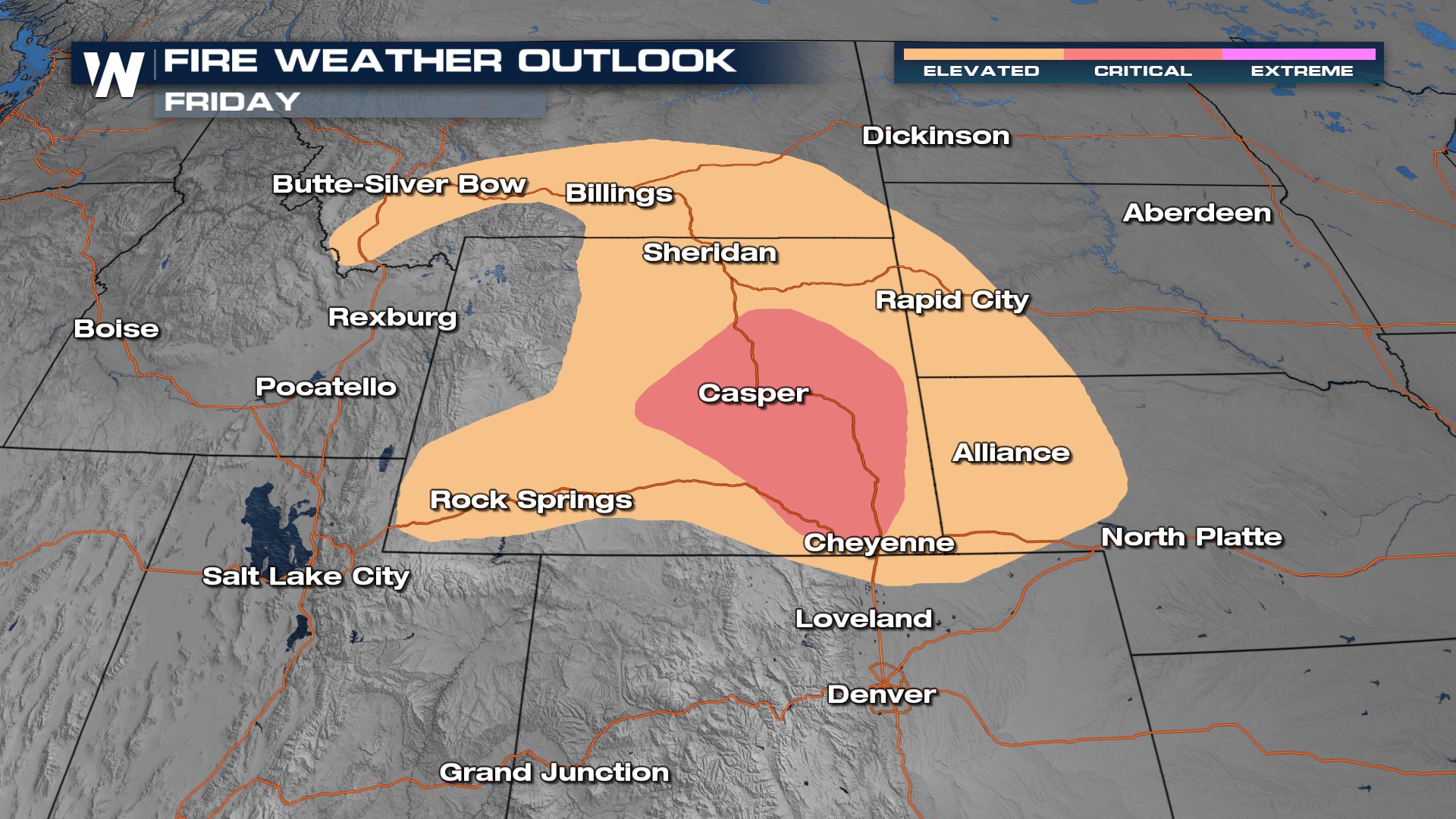
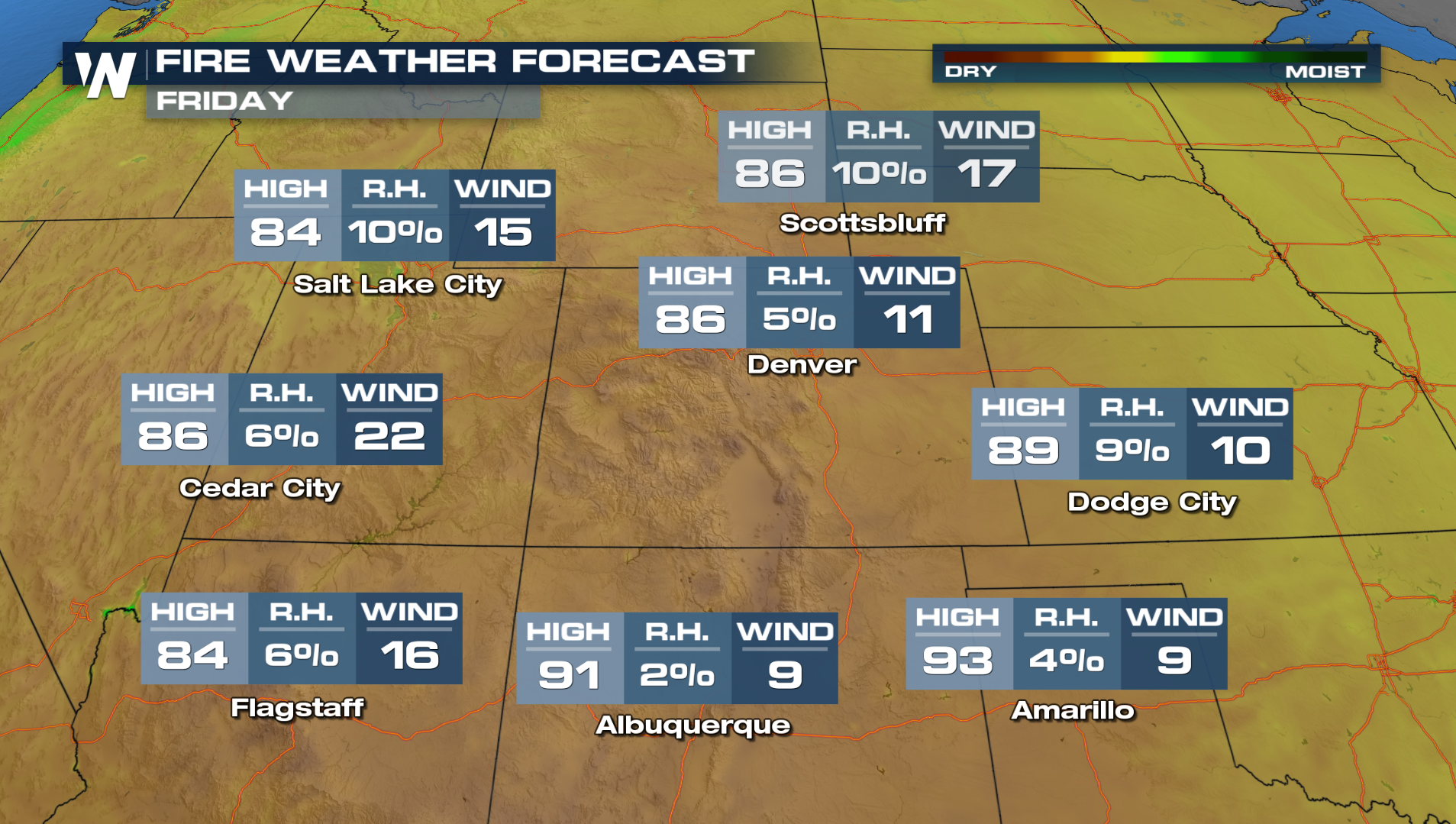
Fire weather outlooks show elevated and critical conditions in the Central Rockies into the Western Great Plains. Warm, dry, and gusty conditions are expected to persist in these areas for the next several days, making for difficult firefighting conditions.
 Please stay aware of smoke plumes in your area and do not undertake activities where a spark or flame could start a new fire.


