NOAA Predicts Below Normal 2026 Hurricane Season

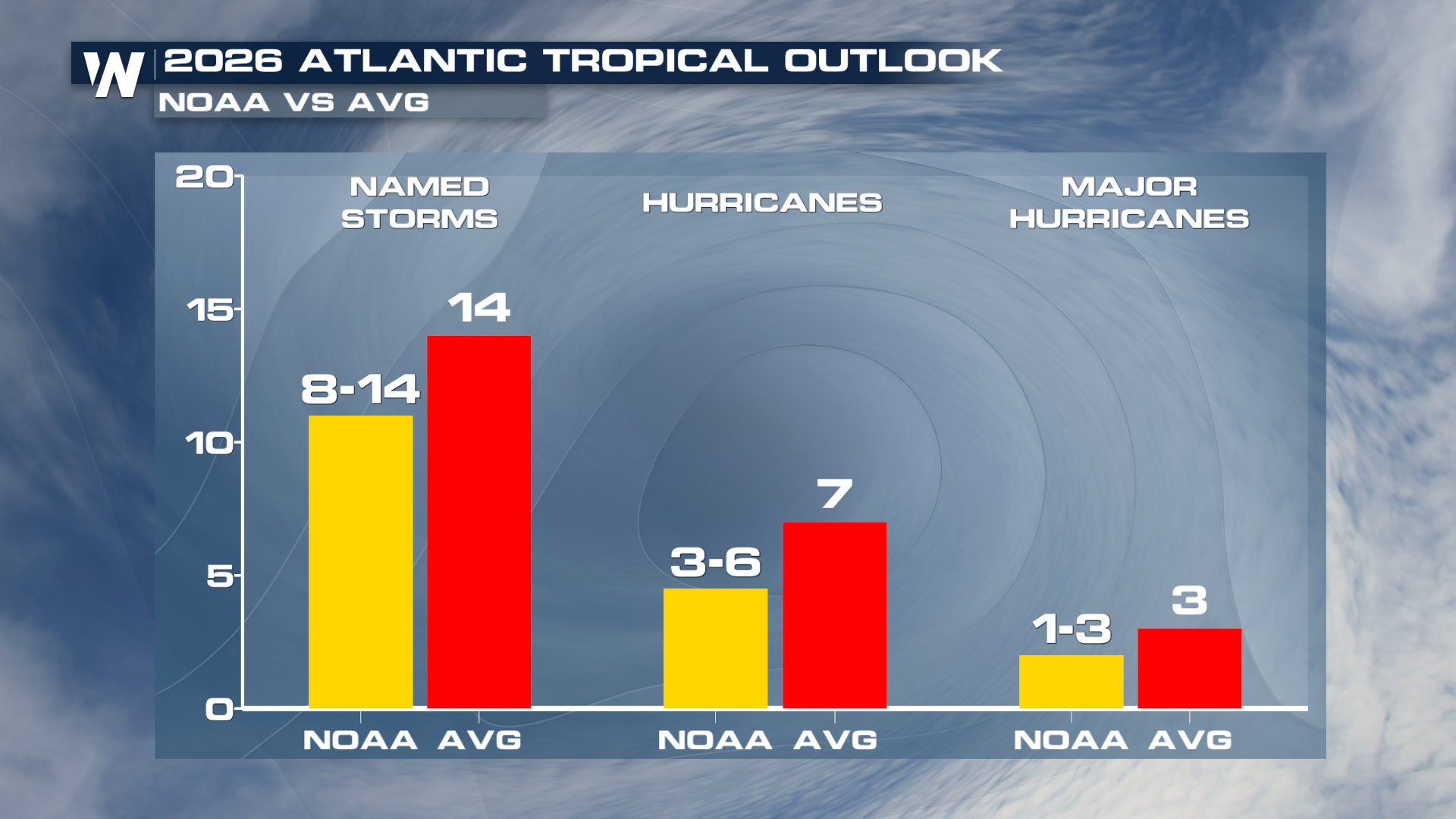
NOAA has released their predictions for the 2026 Atlantic Hurricane Season. They are calling for a below normal season with 8-14 named storms, 3-6 hurricanes, and 1-3 major hurricanes. For probability, they predict a 35% chance of a near-normal season, a 10% chance of an above-normal season, and a 55% chance of a below-normal season. As a reminder, even below average seasons can have major impacts. All it takes is one storm making landfall for it to be a devastating season in the U.S.
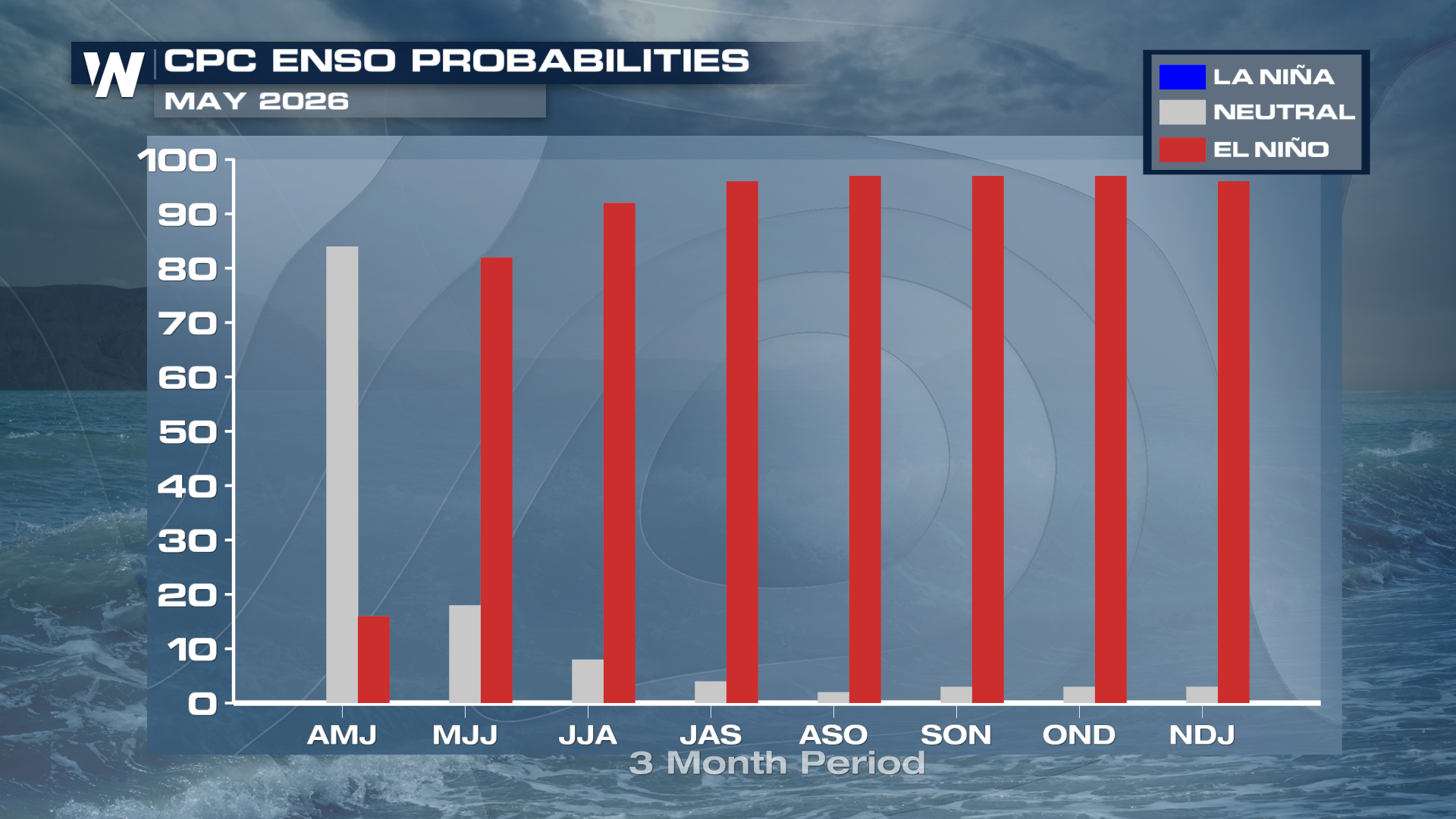
NOAA sites several factors in their forecast, including the burgeoning El Niño, and possible Super Niño, shaping up in the tropical Pacific. The expectation for an El Niño event during the peak of the 2026 Atlantic Hurricane season is a big factor in keeping numbers lower than previous years, along with near normal sea surface temperatures, which have been much above average in recent seasons.
The confidence in an El Niño developing this summer is quite high, but the remaining question is how strong will the event be? A weak El Niño typically has a lower impact on the tropics in the Atlantic, while a strong El Niño has a more consistent impact. Each updated forecast from the Climate Prediction Center shows higher confidence in this year's El Niño being on the strong side.
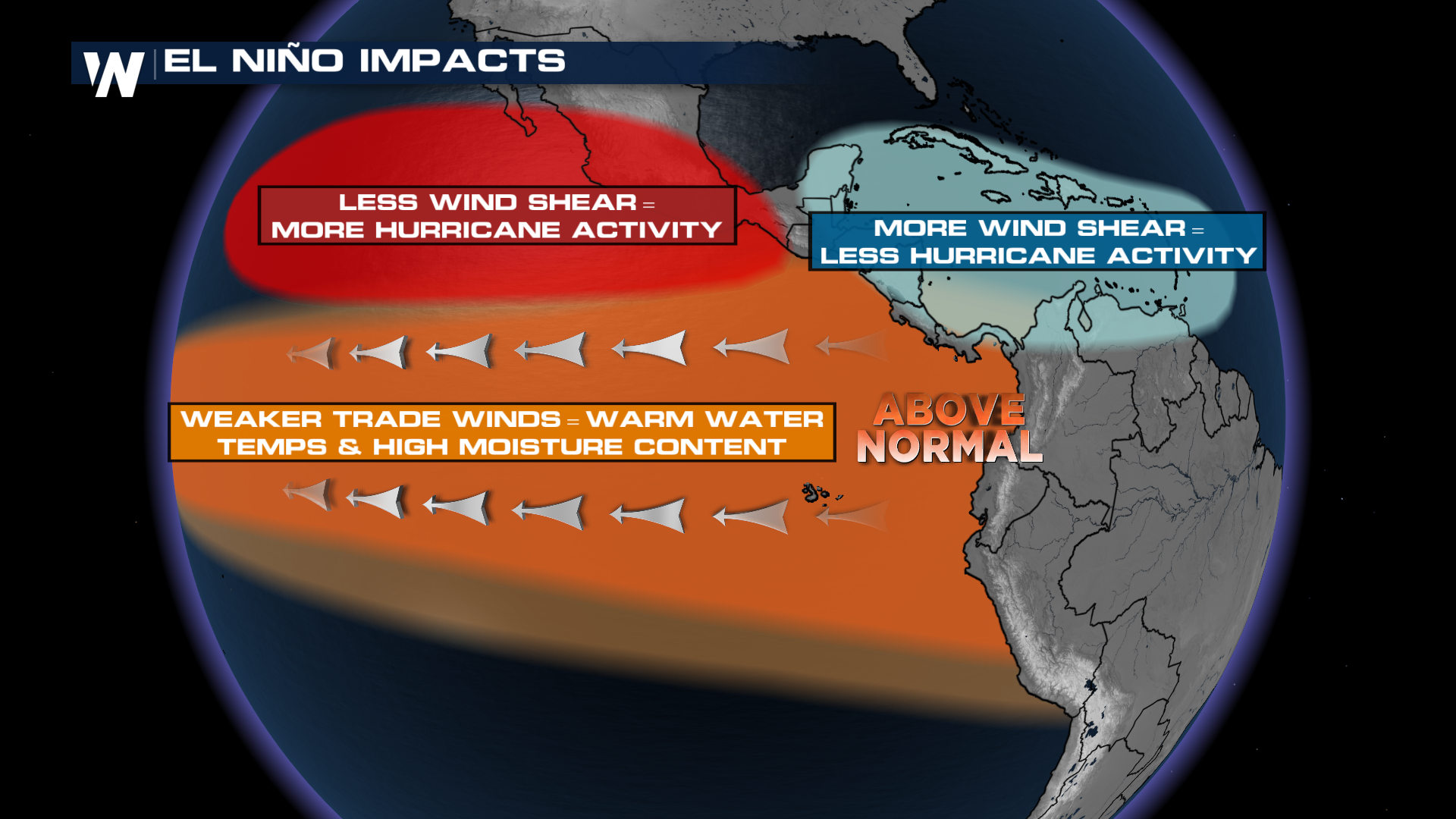
Why does El Niño typically reduce hurricane activity in the Atlantic Basin? The warmer water in the equatorial pacific often leads to a more energetic sub-tropical jet, leading to stronger winds in the upper-atmosphere over the Caribbean. Surface winds in the Caribbean most often comes from the east, known as the trade winds. When these winds lay under strong winds from the opposite (or even the same direction), it leads to strong wind shear which tears hurricanes apart.
 “Although El Niño’s impact in the Atlantic Basin can often suppress hurricane development, there is still uncertainty in how each season will unfold,” said NOAA’s National Weather Service Director Ken Graham. “That is why it’s essential to review your hurricane preparedness plan now. It only takes one storm to make for a very bad season.”
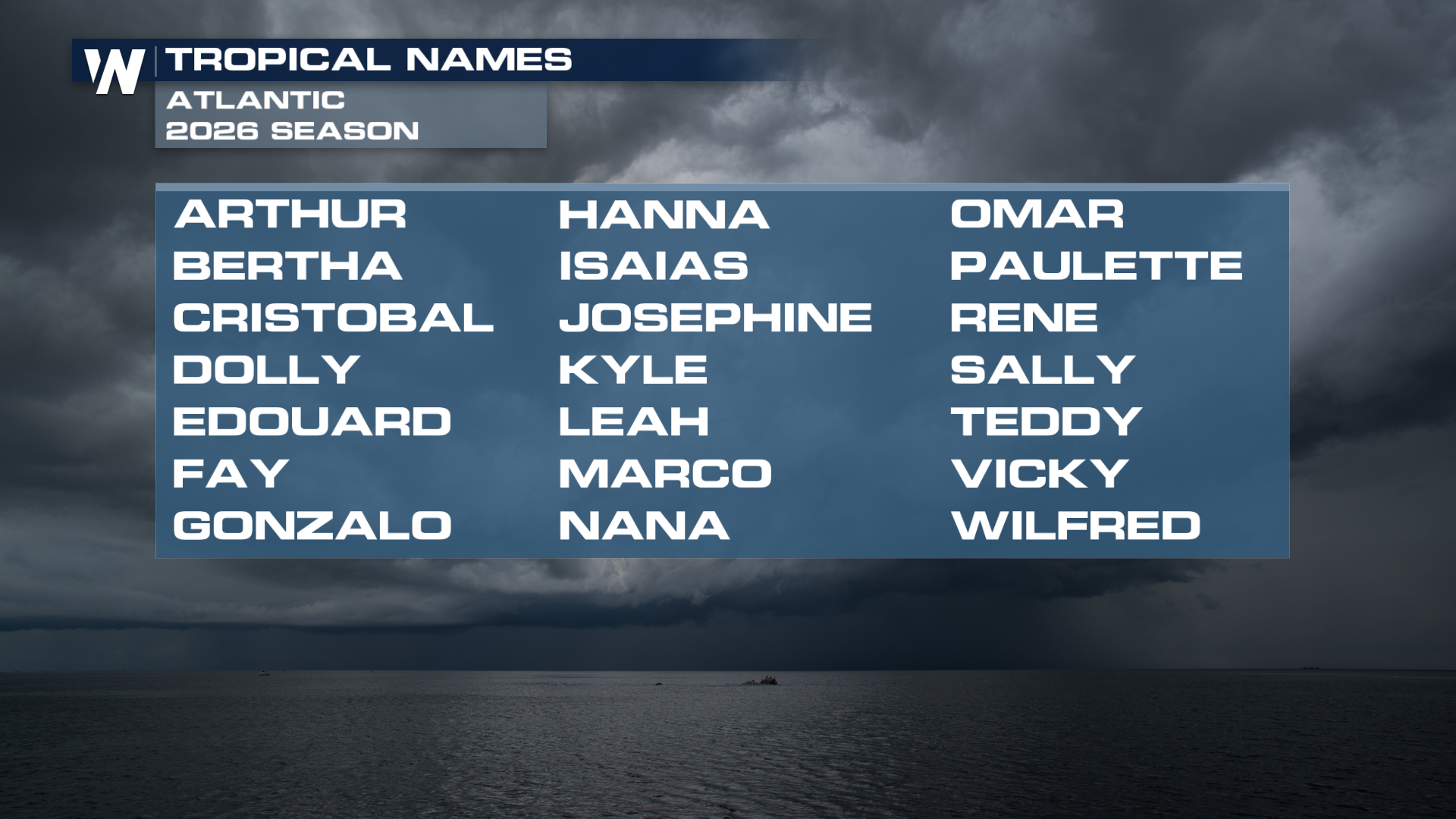
If this year's name list looks familiar, it's the same one from the historically active 2020 season. There is one difference: the name "Laura" was retired after Hurricane Laura devastated the Louisiana coast. It was replaced with "Leah".
Colorado State University's Tropical Weather Department has already released their early forecast for the Atlantic Hurricane Season. They are calling for a near normal to slightly below average season with 13 named storms, 6 hurricanes, and 2 major hurricanes. Even with a slightly below average season, major hurricanes are expected with many other named storms. Any named storm that hits land can have major to extreme impacts, so join us here on WeatherNation for Hurricane Prep Week! We'll be talking science with the experts, preparations and so much more. Be sure to check us out LIVE on these platforms or on our YouTube stream June 1-7!


