Potentail for Tropical Development Mid-May in the Eastern Pacific

Ready for hurricane season? The Climate Prediction Center is highlighting a region in the Eastern Pacific basin for potential tropical development during the first week of the season. As a reminder, waters here tend to warm faster than in the Atlantic, thus, the season starts about two weeks earlier in the Eastern Pacific. If a storm were to form and reach tropical storm status, it would be named Amanda.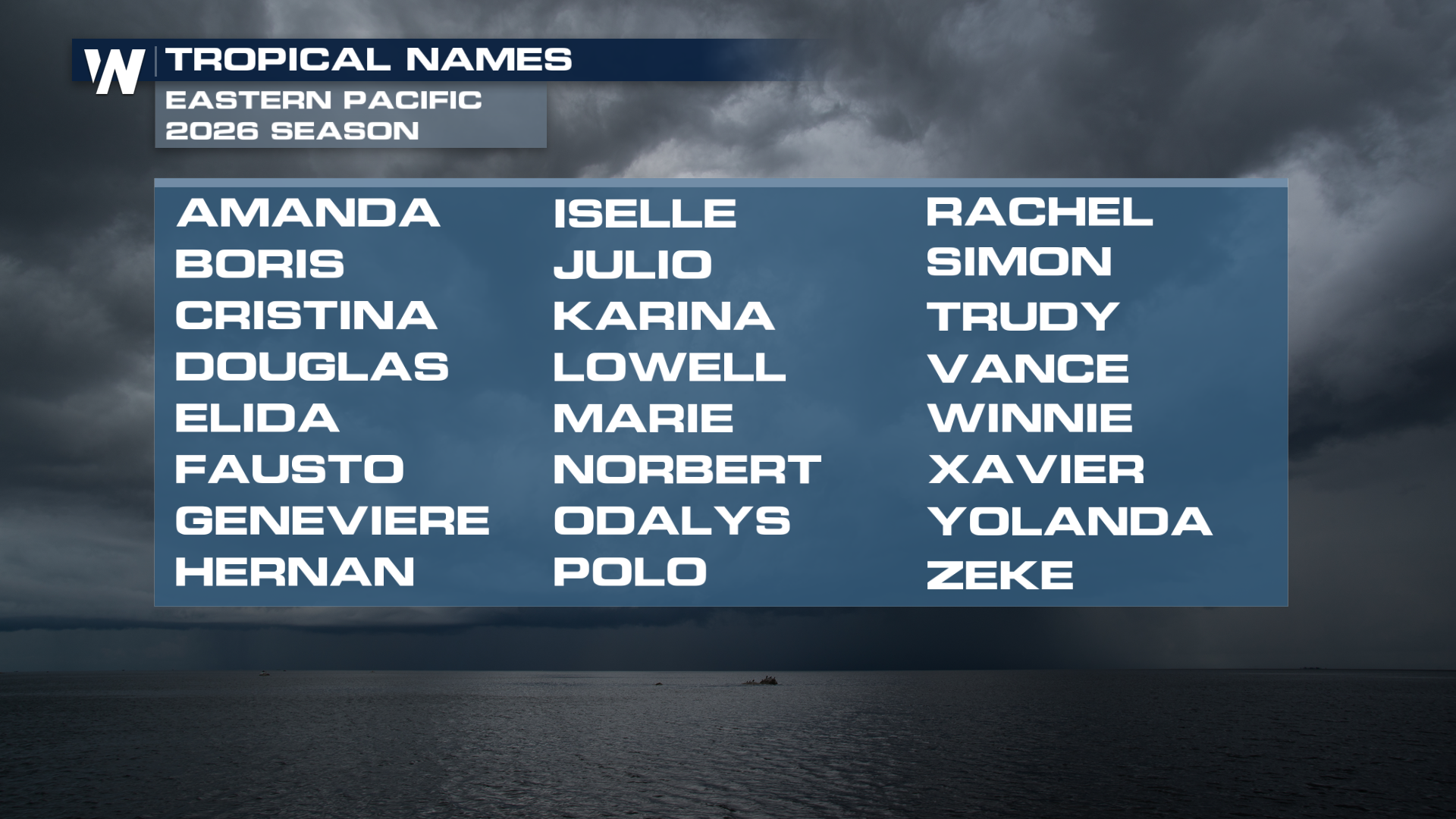
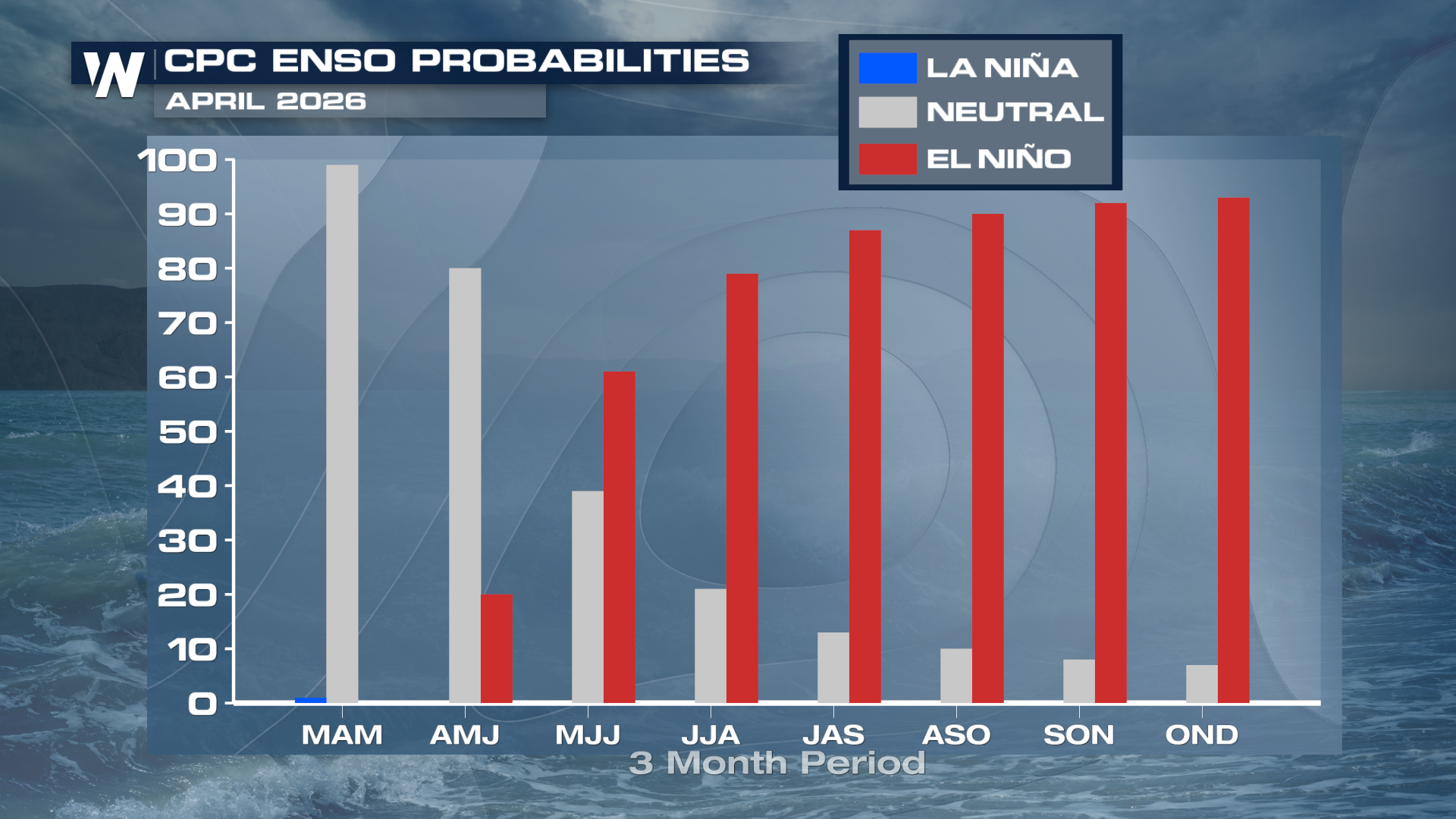
Ocean heat content has been rapidly increasing in the Eastern Pacific this Spring, which is not surprising. You might've heard about the potential for a "super" El Niño this summer, well, the warm water created in the Eastern/Central Pacific by El Niño can lead to supercharged hurricane seasons in the Eastern and Central Pacific.
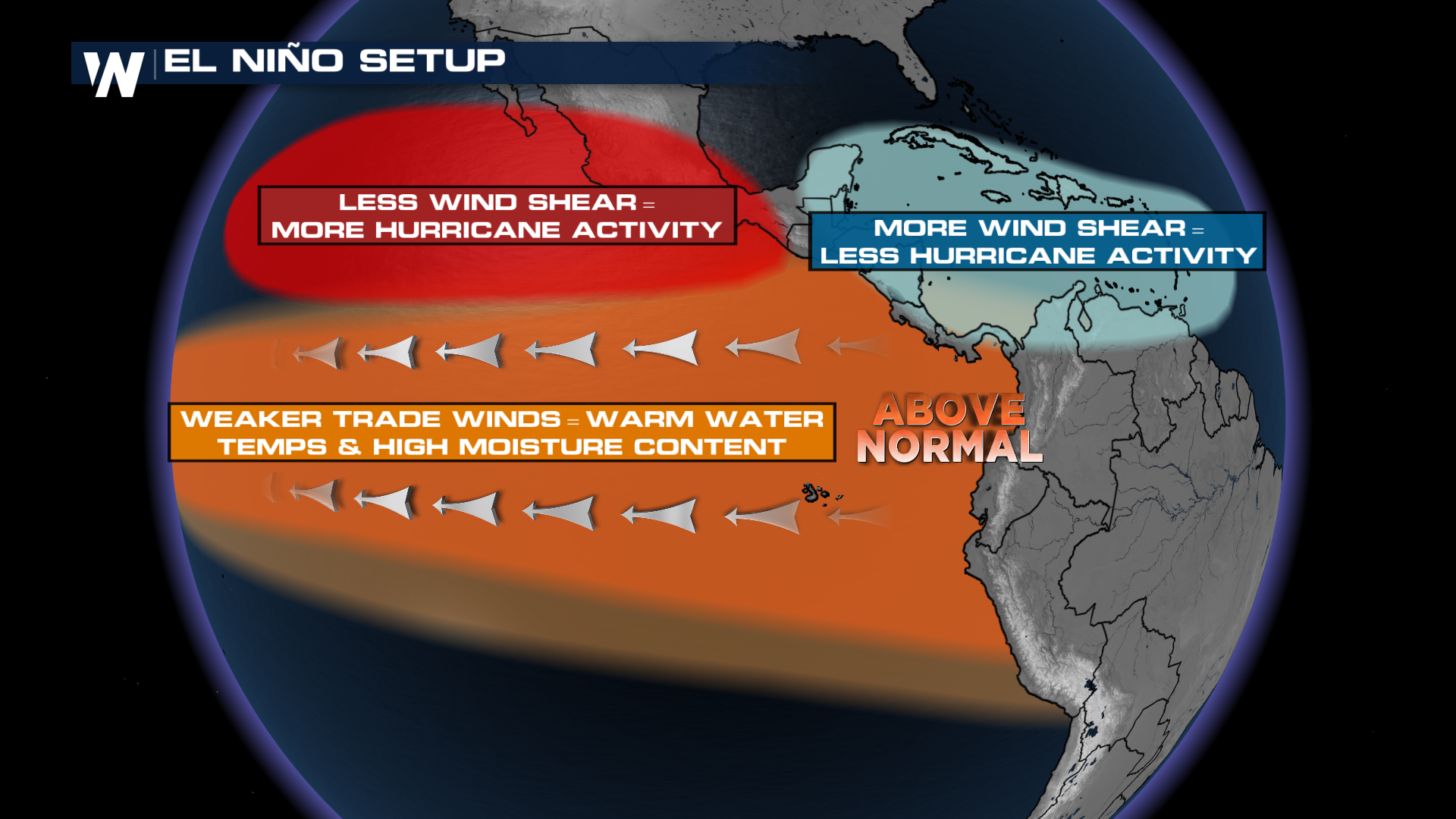
Global circulations influenced by El Niño tend to create less disruptive wind shear in the Eastern Pacific as well. Weak upper-level winds combined with warm waters tend to lead to many tropical systems. At the same time, wind shear tends to increase in the Caribbean during these events, leading to a tougher environment for tropical system to form and survive.
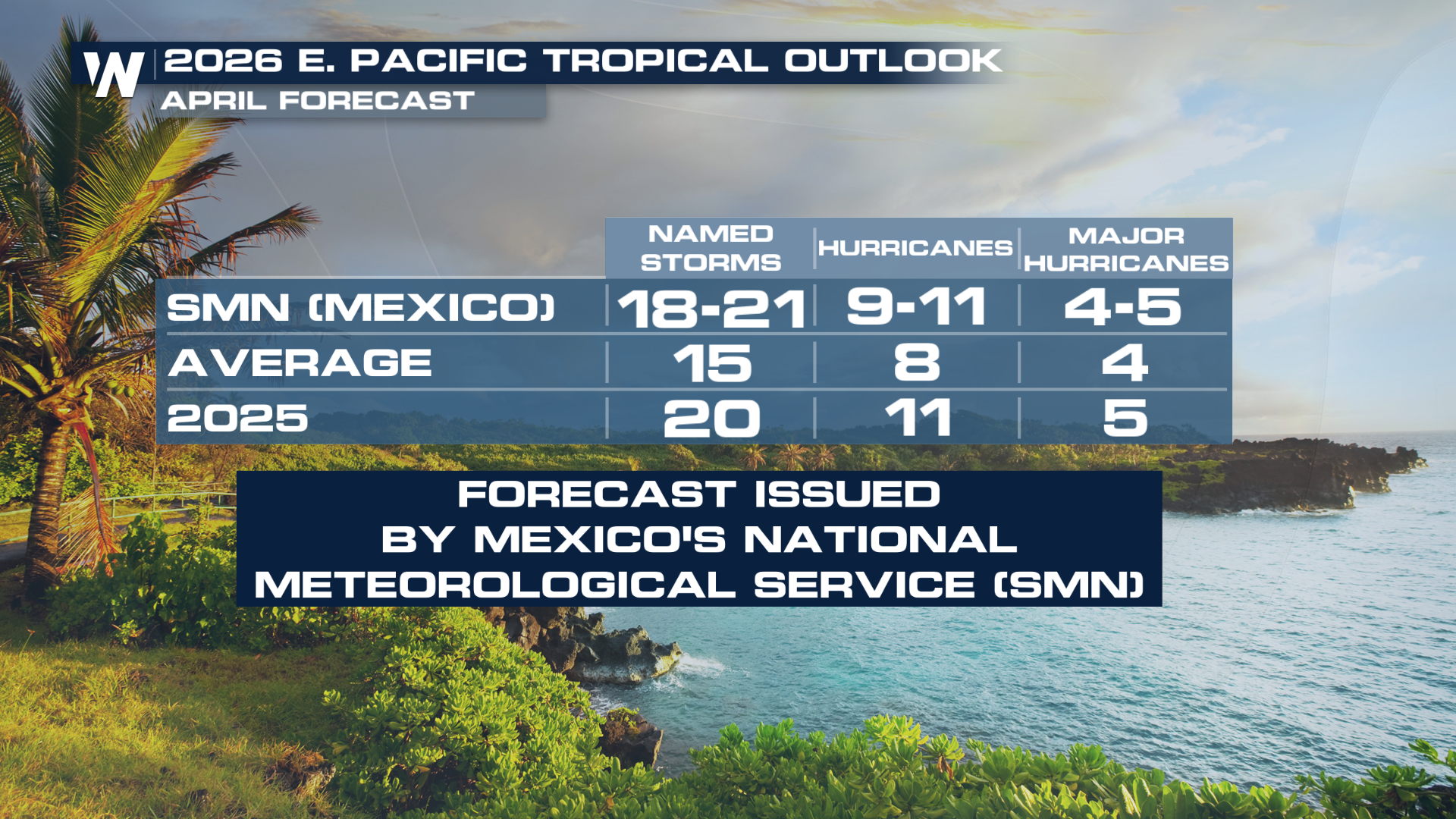
Last season was quite active in the Eastern Pacific, with 20 named storms and 5 major hurricanes. The Mexican National Meteorological Service issued an early outlook for the 2026 season in April, calling for another active year with near 20 named storms.
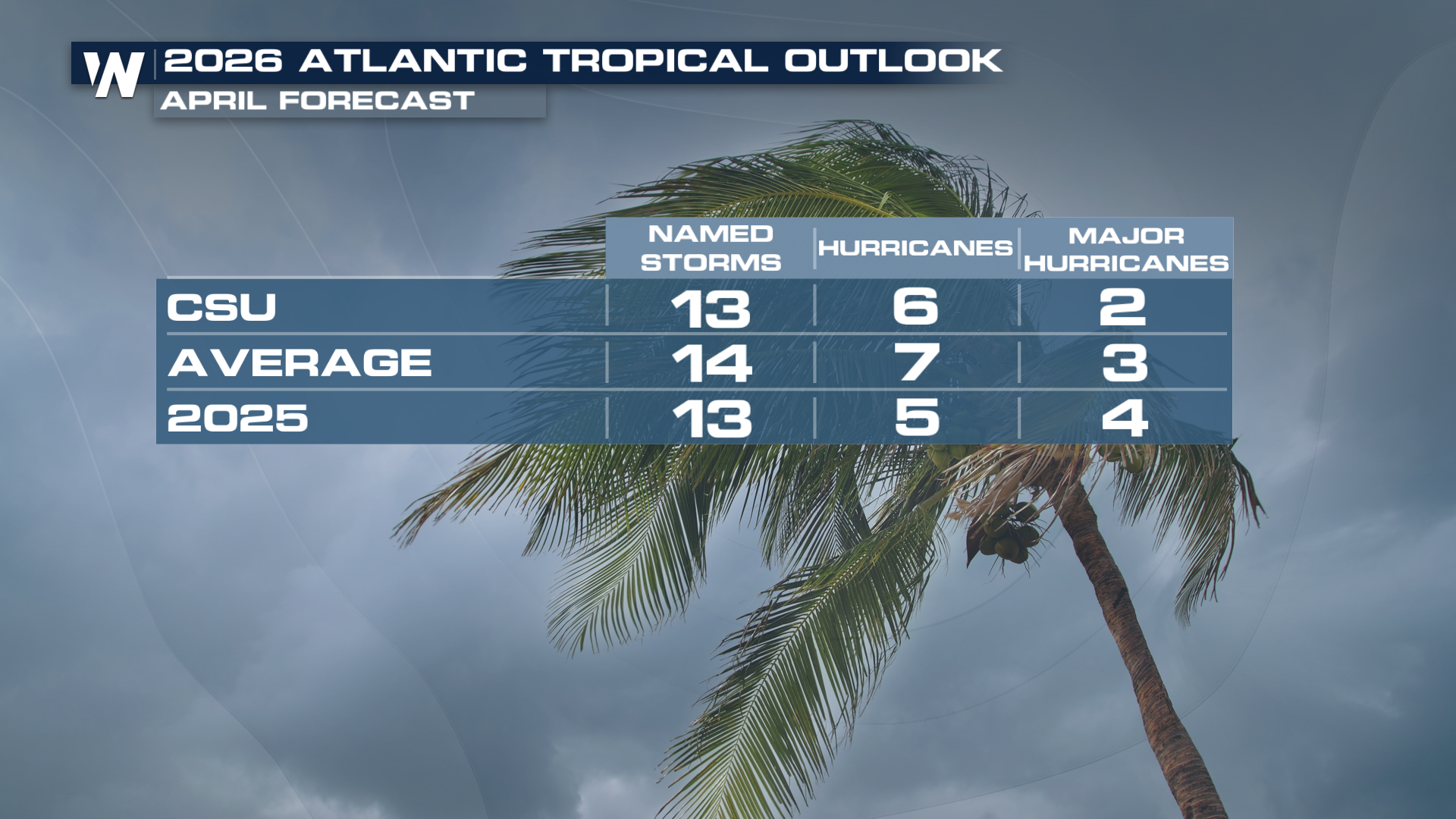
CSU's outlook for the Atlantic is quite a bit lower in terms of activity, calling for a slightly below average season.
We're going to get you ready for hurricane season at the beginning of June. Be sure to tune in for updated forecasts, information, and tips to prepare!