Severe Solar Radiation Storm Peaked Monday Night

NOAA'S Space Weather Prediction Center reported a strong (R3) solar flare on January 18th. A big solar eruption of this size typically kicks off the chain of events that leads to brighter Auroras on Earth. Additionally, an S4 severe solar radiation storm is also now in progress. This is the largest solar radiation storm since October 2003.
Think of the flare as a flash that launched a coronal mass ejection (CME), which is a giant cloud of solar material and magnetic energy. If that cloud connects with Earth's magnetic field, it basically supercharges the Aurora, making it more visible & pushing it farther south than normal.
To help breakdown exactly what this solar radiation storm is and how it'll impact us here on Earth, we spoke with Shawn Dahl with the Space Weather Prediction Center in Boulder, CO.
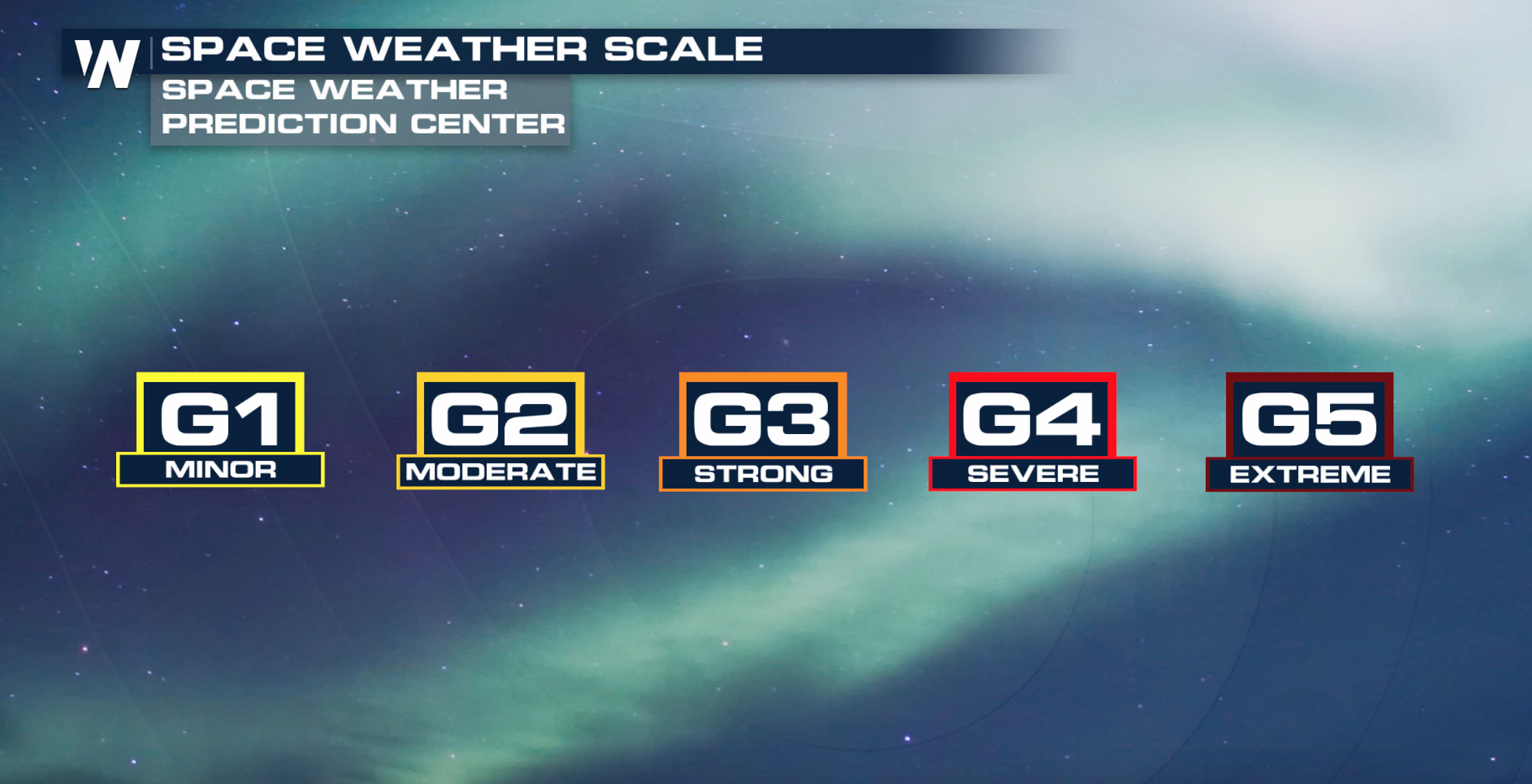
The latest outlook indicates a G4 geomagnetic storm watch. We spoke with professional aurora photographer, and space physics Ph.D. candidate, Vincent Ledvina from Fairbanks, AK to learn more about the tips and tricks you need to know about catching the aurora.
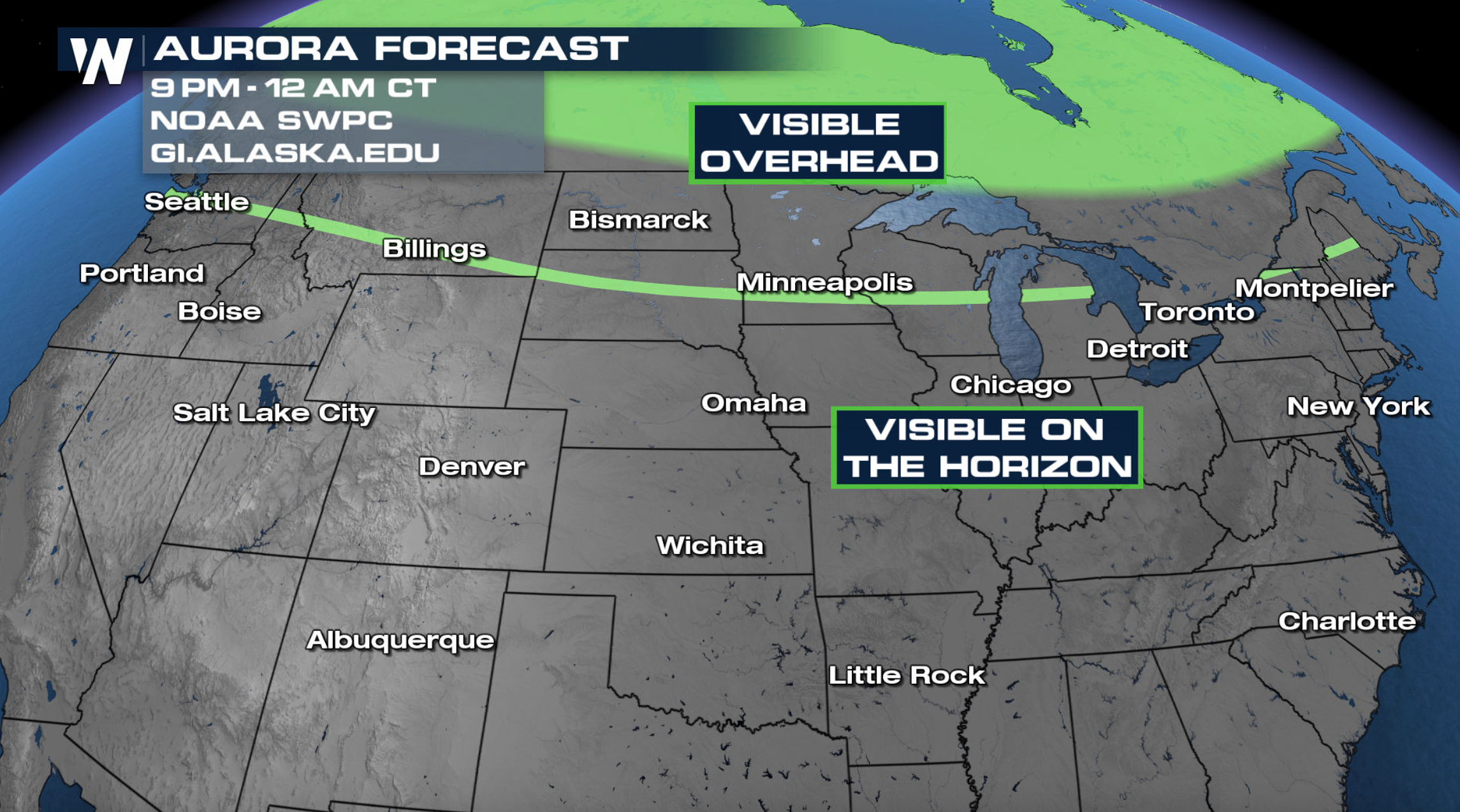
 Seattle to Minneapolis, and Northern Maine, have an opportunity to view tonight's light show. Cloud cover will be mostly clear the farther west you are.
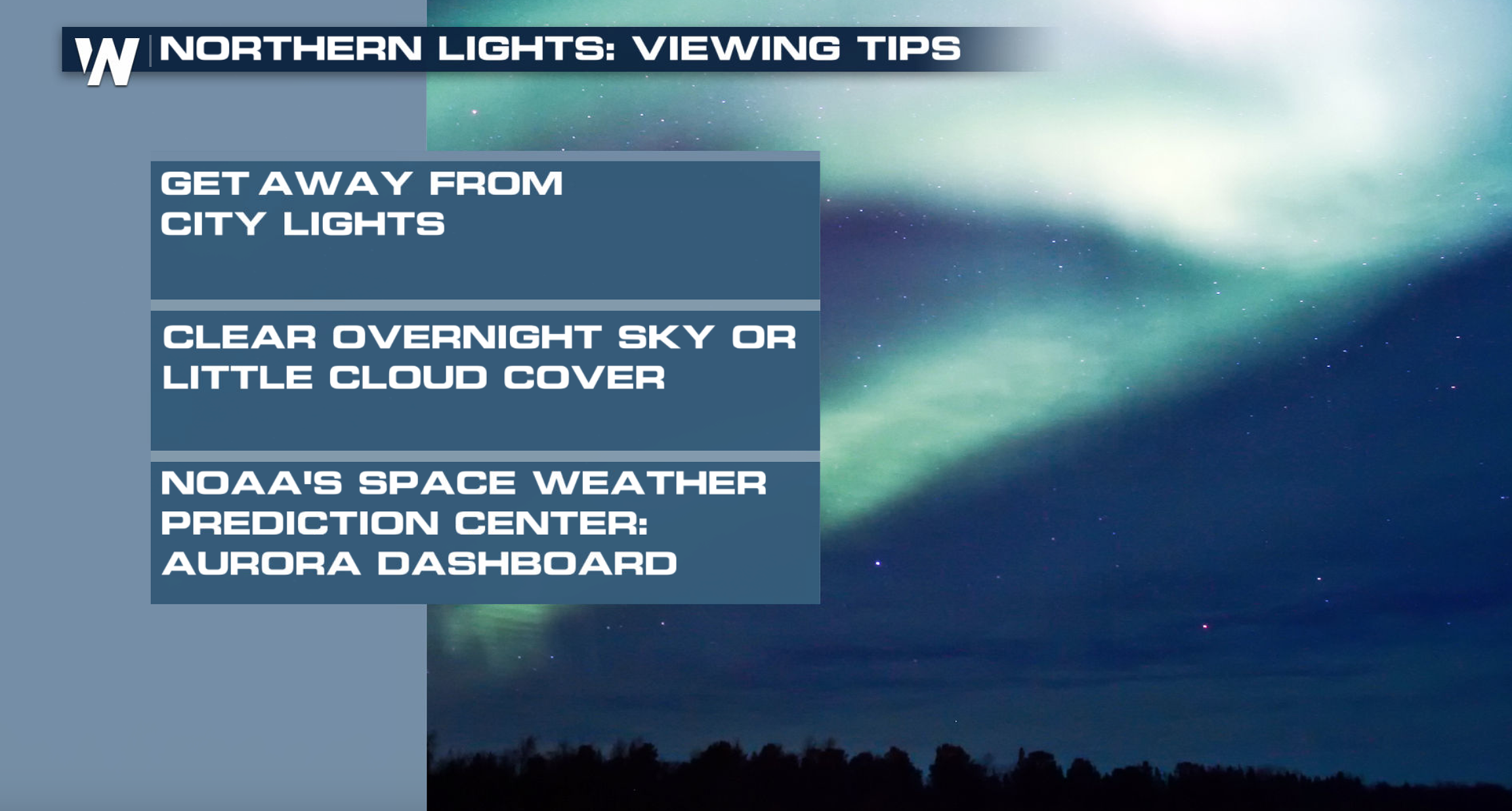
So, if you are trying to see the lights tonight, the basics apply:
 Don't forget to look North! Make sure you send any videos you've got of the Northern Lights so we can share them with all of you! Stay tuned to WeatherNation to see what we caught in the night sky!


