Artemis II Splashes Down After Journey Around the Moon

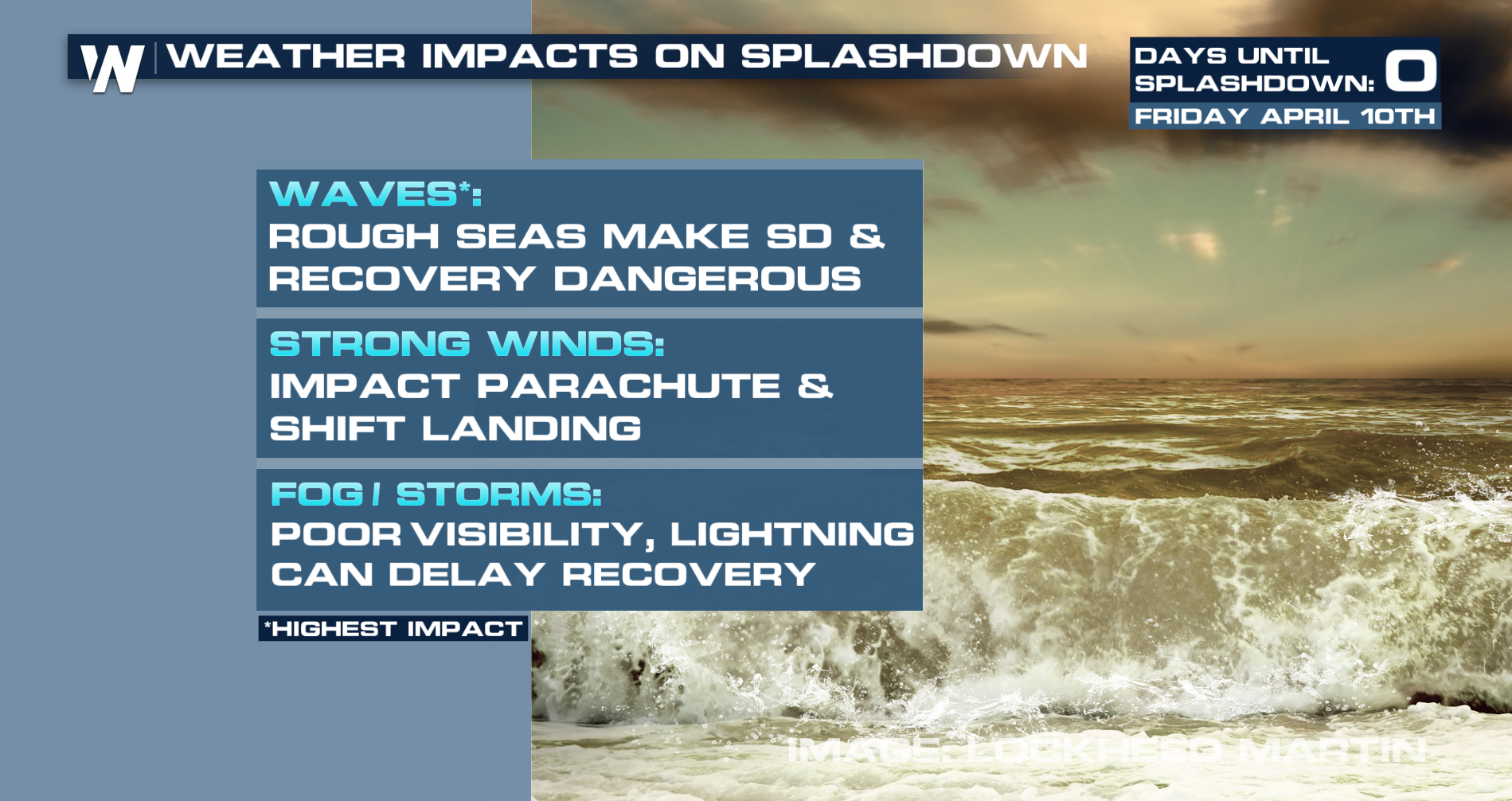
Welcome home, astronauts! Friday, April 10th, the Orion spacecraft splashed down in the Pacific Ocean off the coast of San Diego, where the U.S. Navy assisted in the recovery of the crew. The weather thankfully allowed for an efficient recovery, even if the seas were a bit choppy.
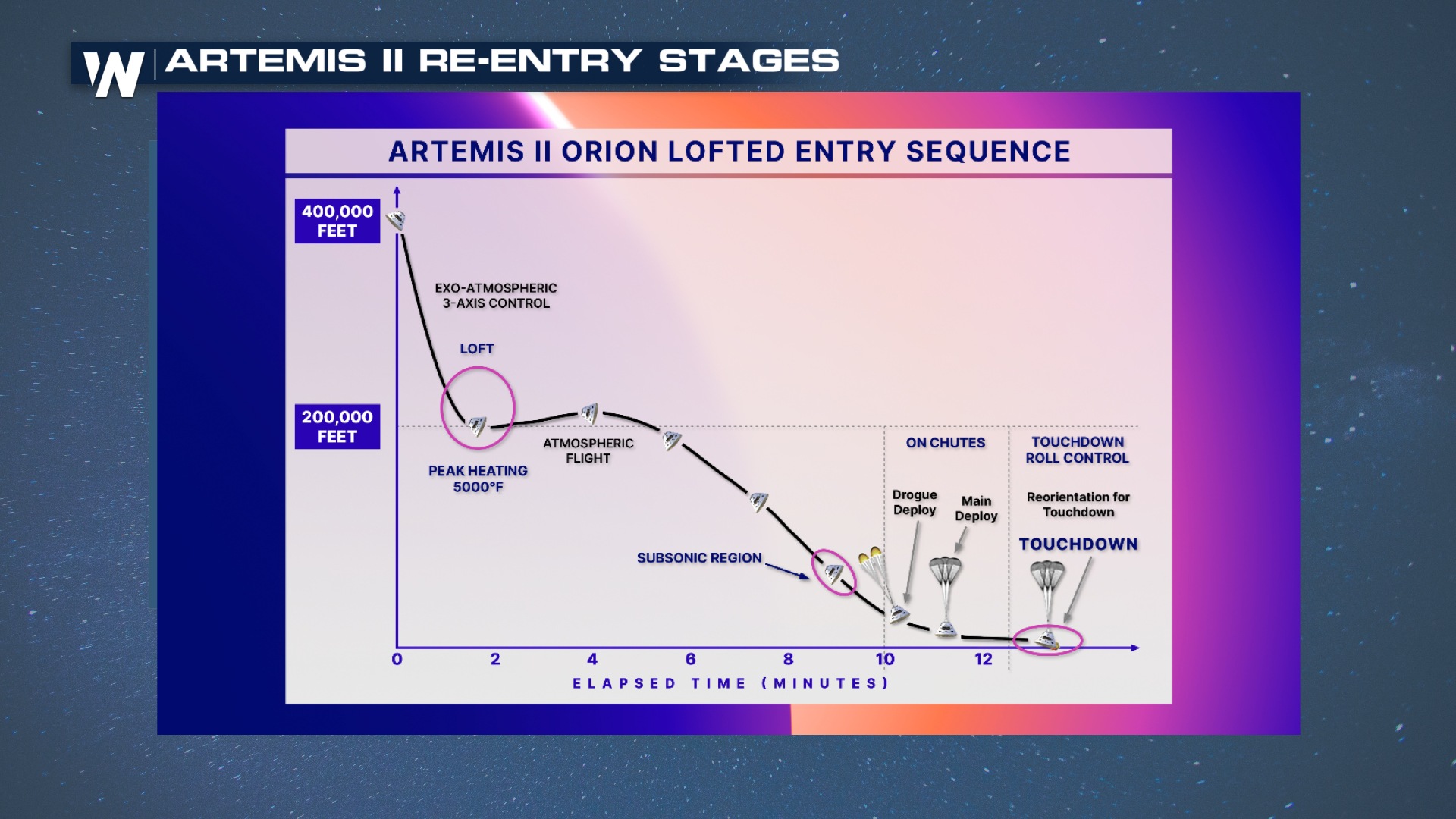
 The descent of the Orion spacecraft was impressive, entering the atmosphere at around 24,000 mph before slowing down and deploying multiple parachutes.
NEW RECORD - At 1:56 PM ET on Monday, April 6, 2026, the Artemis II crew broke the record for the farthest distance anyone has traveled from Earth. The previous record was 248,655 miles during the Apollo 13 mission in 1970. At 7:07 PM ET, they reached their maximum distance of 252,756 miles from Earth. Later that day, the crew experienced a 40-minute communications blackout with mission control in Houston as they passed over the far side of the Moon before reestablishing contact.
LIFTOFF - At 6:35 PM ET on Wednesday, April 1, 2026, NASA launched astronauts on an historic mission to the Moon. This marks the first crewed lunar flyby in more than 50 years, dating back to the Apollo era.
NASA’s Space Launch System sent four astronauts, Reid Wiseman, Victor Glover, Christina Koch, and Jeremy Hansen, aboard the Orion spacecraft on a test flight around the Moon and back. This 10-day mission will demonstrate life support systems and help lay the foundation for future deep space exploration.
 Artemis II Flight History
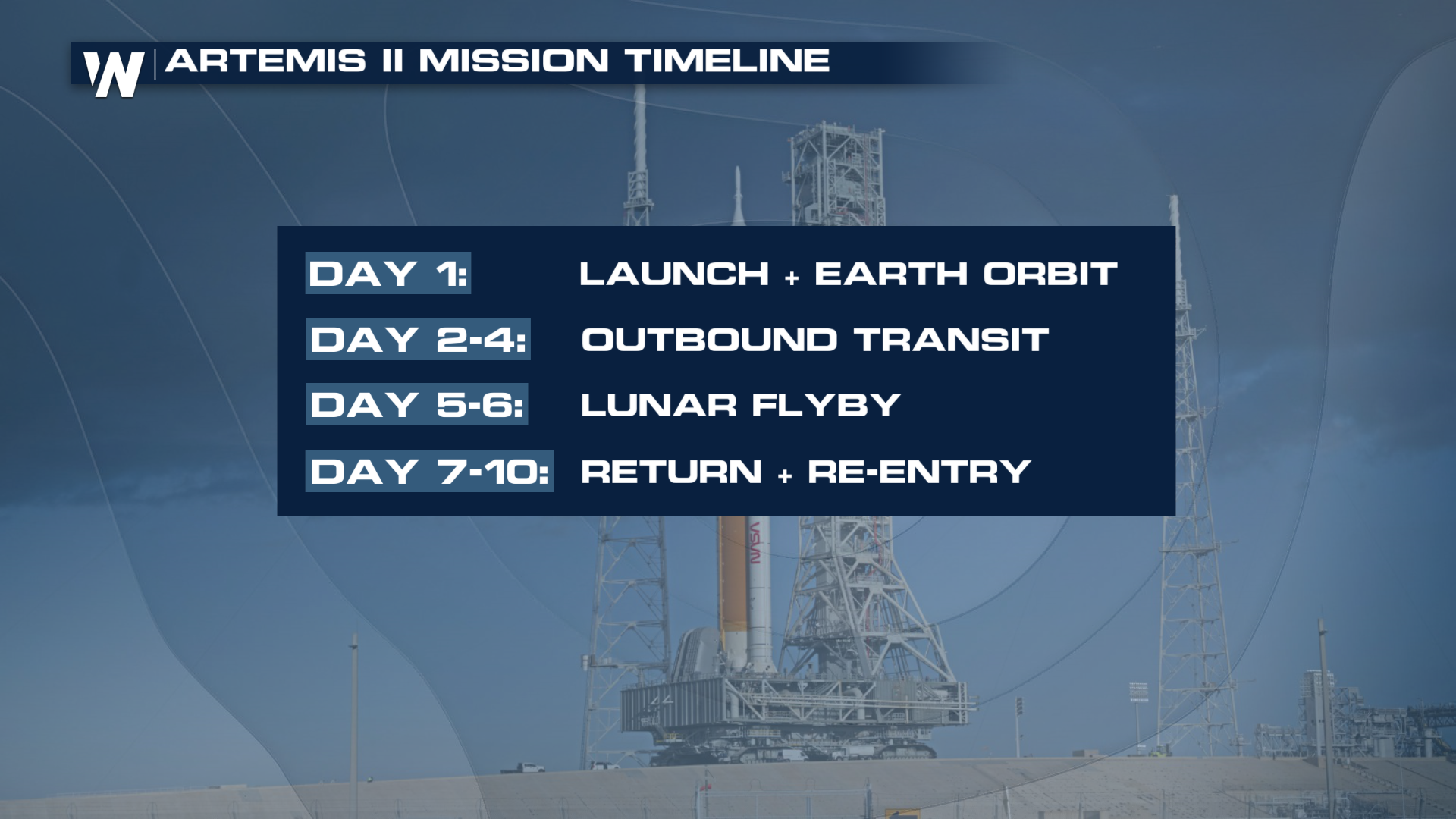
Day 1: focused on launch and entering Earth orbit.
Days 2-4: outbound transit toward the Moon.
Days 5-6: Orion will fly by the Moon, entering its sphere of influence, where the Moon becomes the dominant gravitational force.
Days 7-10: return trip to Earth, followed by re-entry and splashdown in the Pacific Ocean, where the U.S. Navy will recover the capsule.
What is the Future of the Artemis Program?
In simple terms, Artemis is the first step in a broader effort to send humans to Mars. Before that, NASA aims to return astronauts to the Moon and establish a sustained presence while testing humanity’s ability to live and work beyond Earth’s orbit. Artemis II, specifically, will send astronauts around the Moon and back.
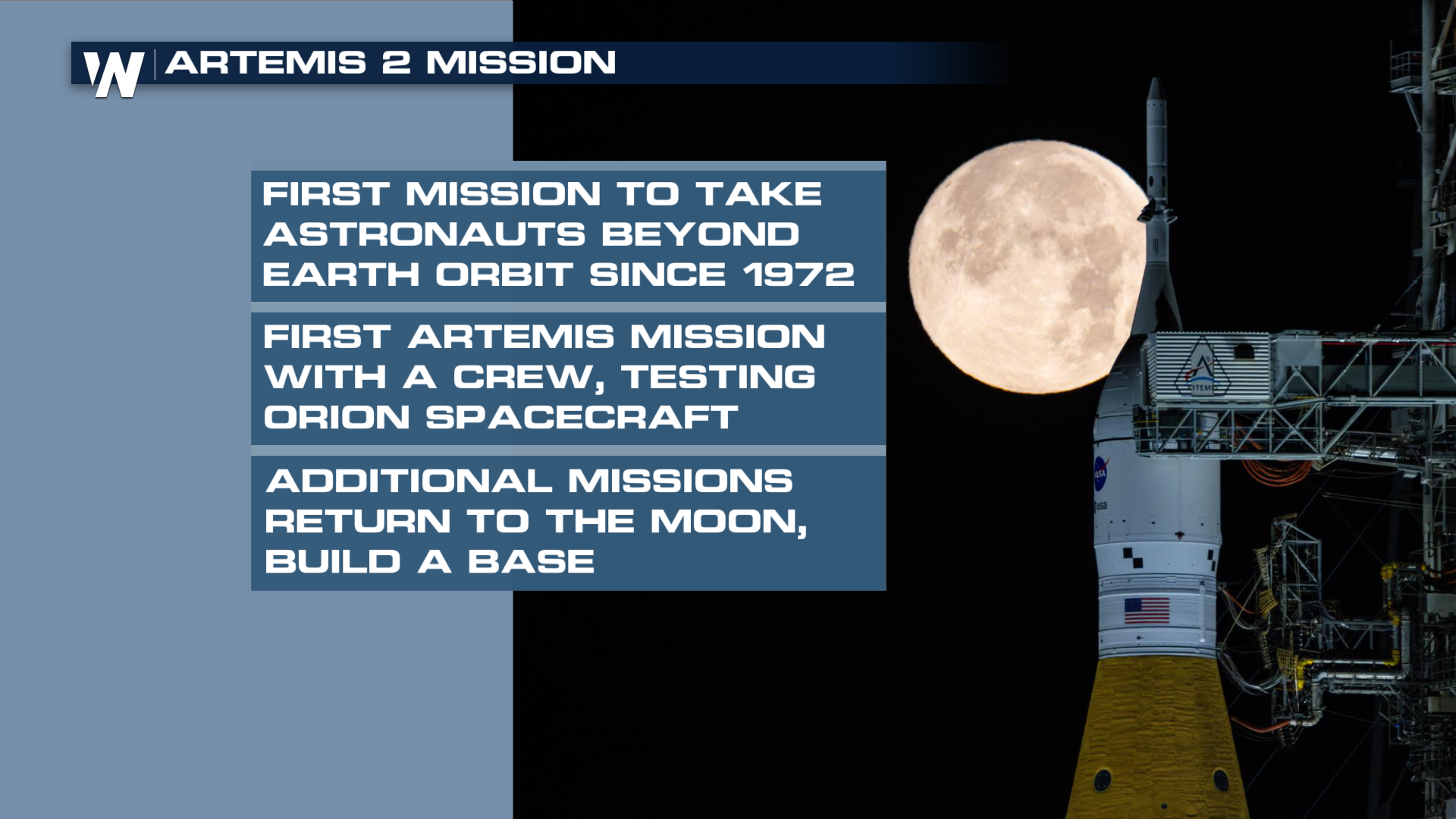
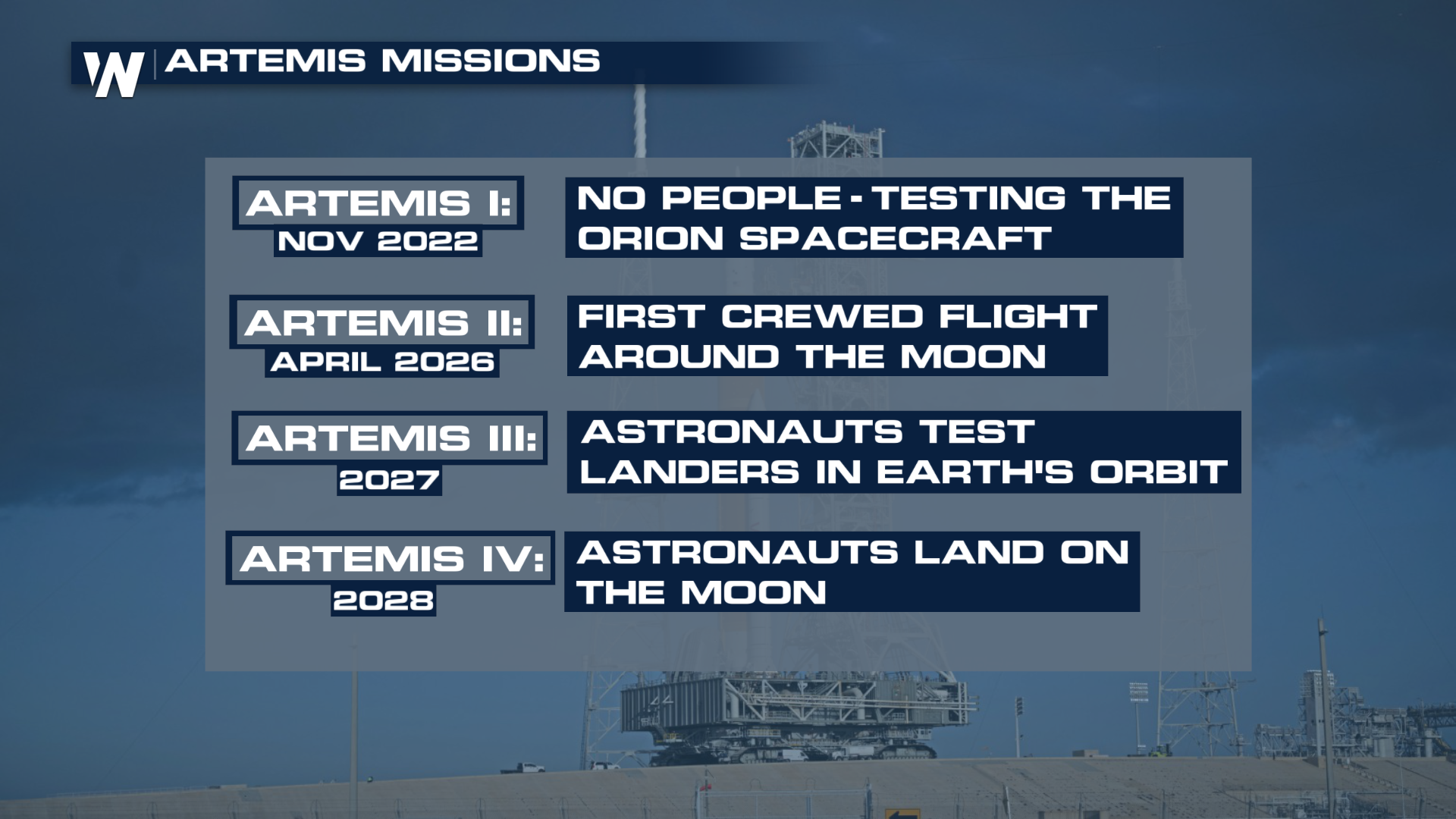
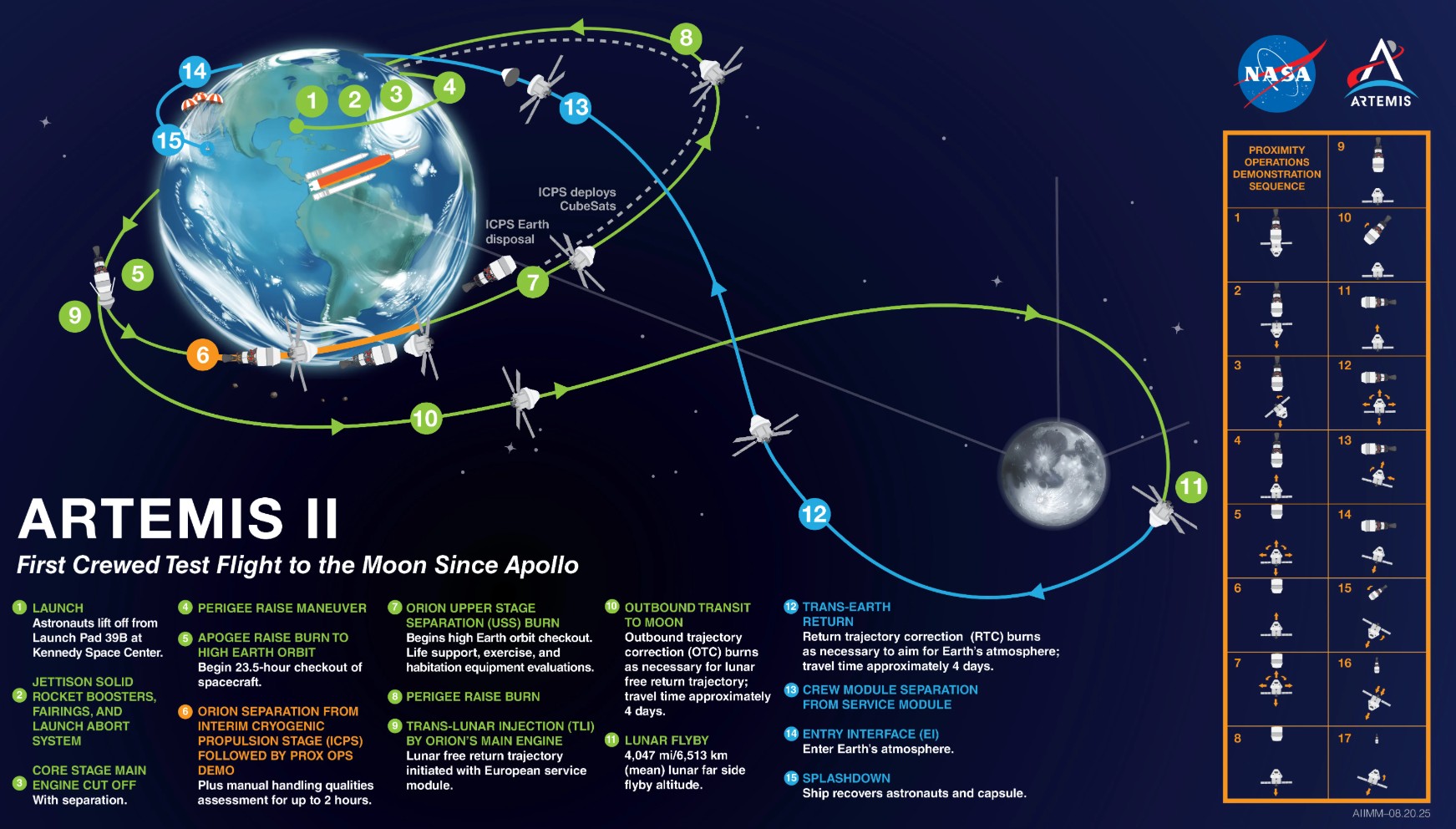 This will be the first mission since 1972 to take humans beyond low Earth orbit, and potentially farther from Earth than any human has traveled before. NASA currently plans a series of Artemis missions, with Artemis IV expected to land astronauts on the Moon.
 Artemis II marks a major step forward in human space exploration, pushing us farther than we’ve gone in decades, and bringing us one step closer to returning to the Moon… and eventually, reaching Mars.


