Colorado State University Scales Back 2026 Atlantic Hurricane Season Forecast

Colorado State University researchers have lowered their outlook for the 2026 Atlantic hurricane season as atmospheric conditions become increasingly favorable for the development of El Niño, a climate pattern that typically suppresses tropical cyclone activity in the Atlantic Basin.
The updated forecast now projects nine named storms, four hurricanes, and one major hurricane of Category 3 strength or higher. While those numbers are below the long-term seasonal average, the outlook reflects activity across the entire Atlantic Basin. It does not indicate where storms may eventually track or make landfall.
The expected increase in El Niño is one of the primary reasons behind the reduced forecast. During El Niño events, stronger-than-normal upper-level winds spread across the tropical Atlantic and Caribbean, increasing vertical wind shear. This hostile environment can disrupt the structure of developing tropical systems by separating thunderstorms from their low-level circulation, making it more difficult for storms to strengthen into hurricanes.
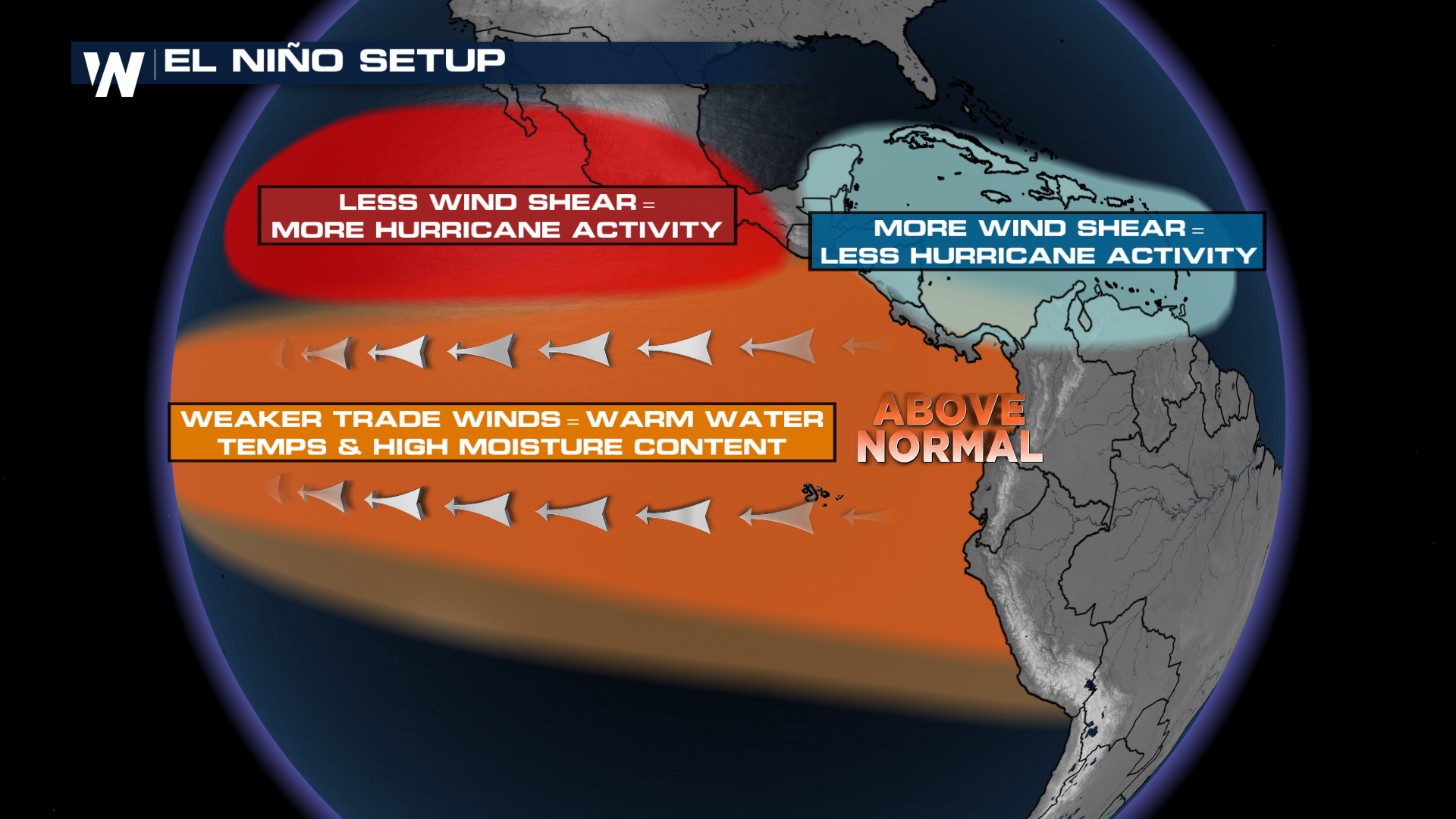
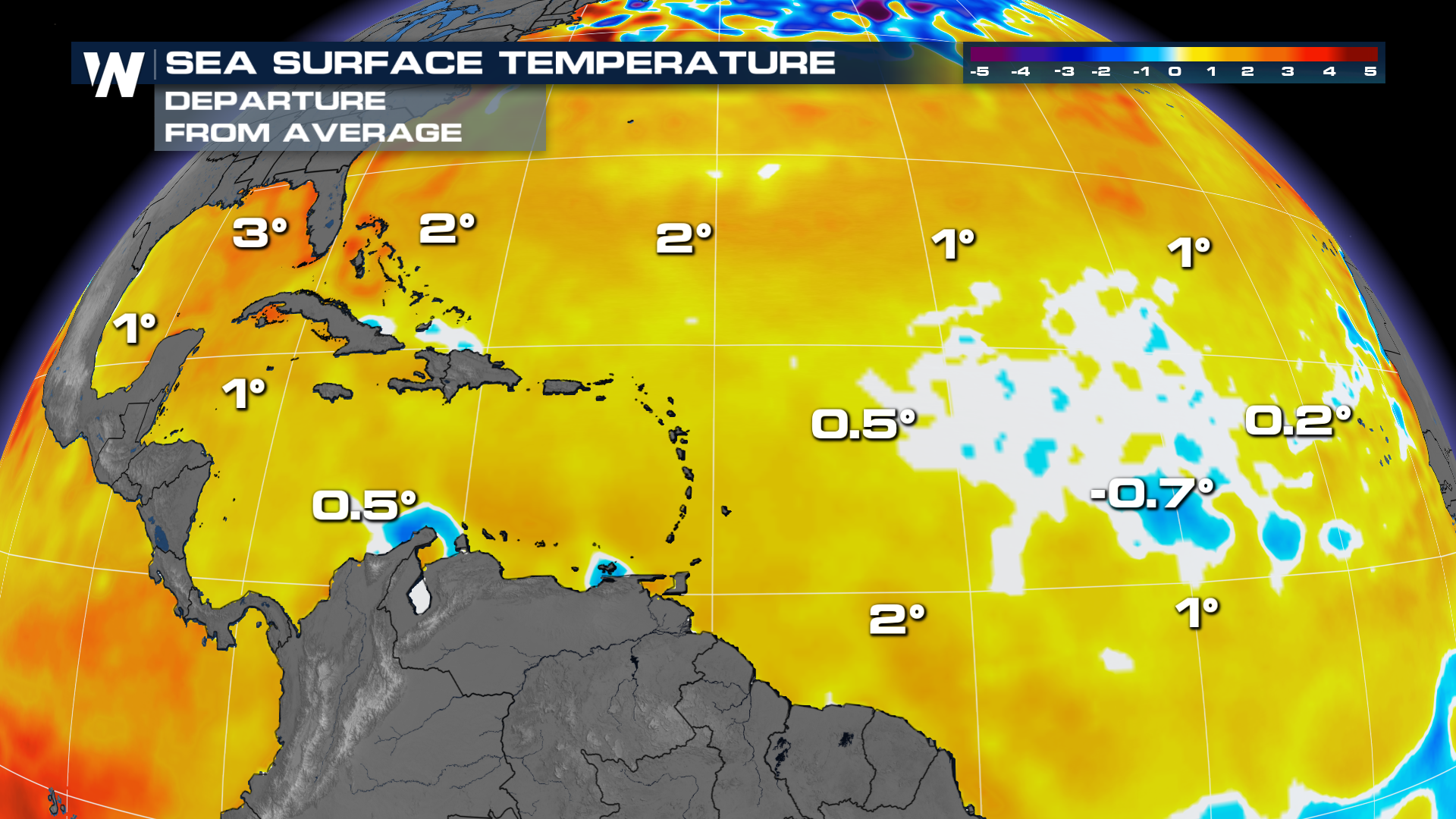
Despite the anticipated increase in wind shear, ocean temperatures across parts of the Atlantic remain warmer than average. Warm water serves as the fuel source for tropical cyclones, meaning any storm that develops in a favorable pocket of lower wind shear could still intensify. How these competing factors evolve during the peak of hurricane season will play a major role in determining the basin’s overall activity.
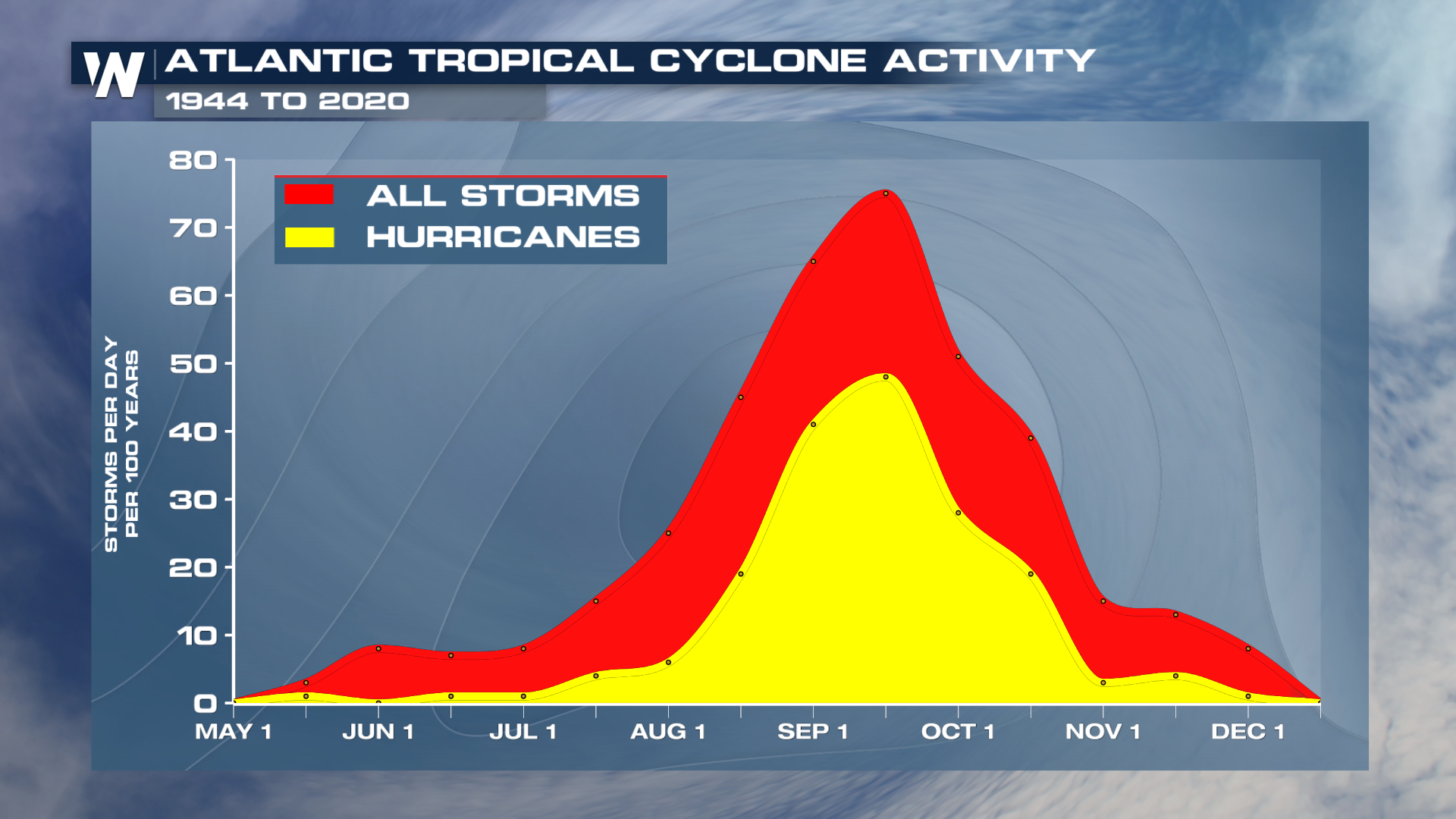
The climatological peak of the Atlantic hurricane season occurs from mid-August through October, when sea surface temperatures are at their warmest and atmospheric conditions are generally most supportive of tropical development. Although seasonal forecasts help estimate how active a season may be, they cannot predict where individual storms will form or who may be impacted.
Residents along the Gulf Coast and Atlantic coastline need to prepare now rather than focus solely on the seasonal numbers. History has shown that even quieter hurricane seasons can produce devastating landfalls if a single storm reaches a populated coastline.


