North Magnetic Pole Shifts, NOAA Updates World Model
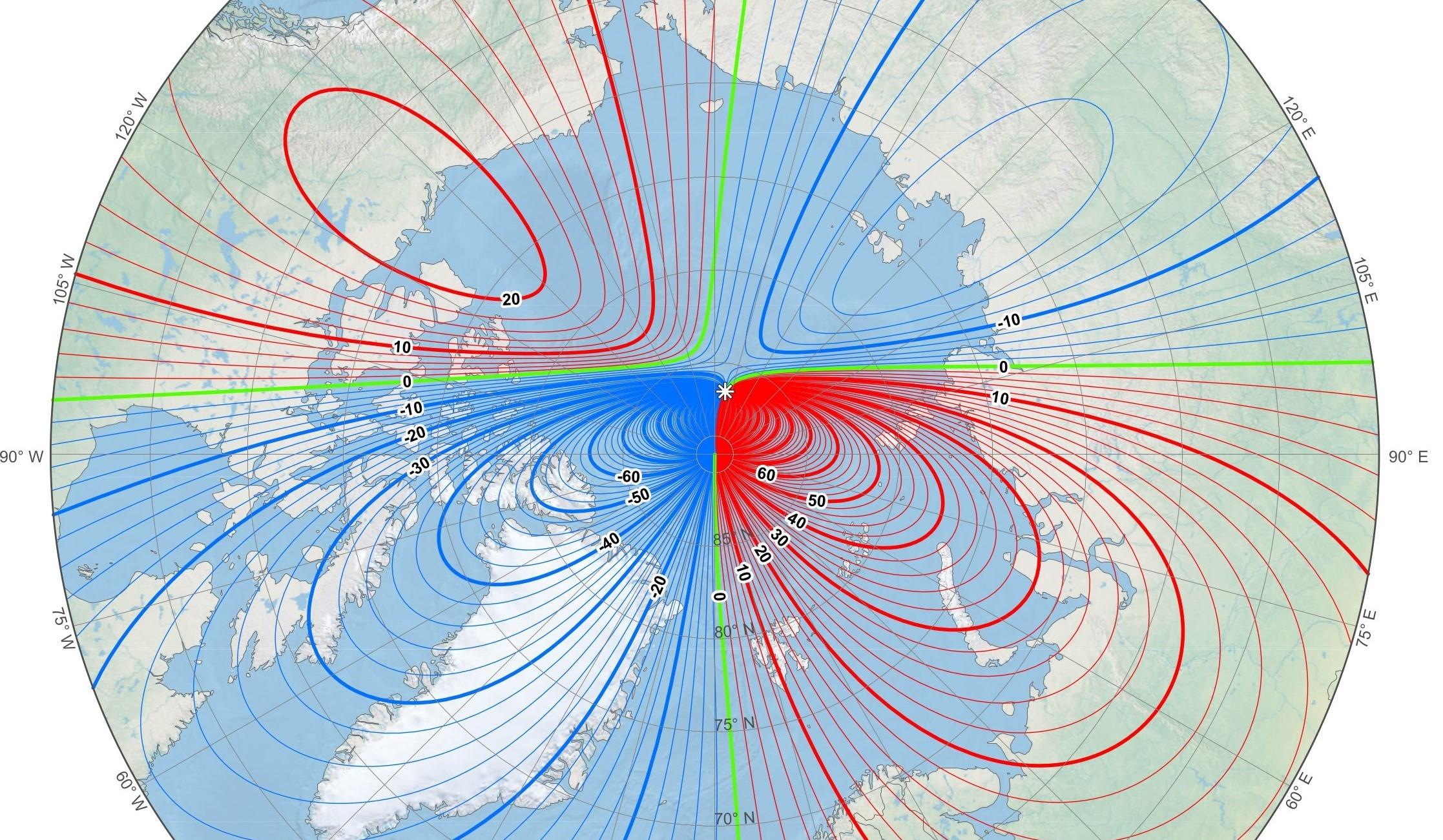
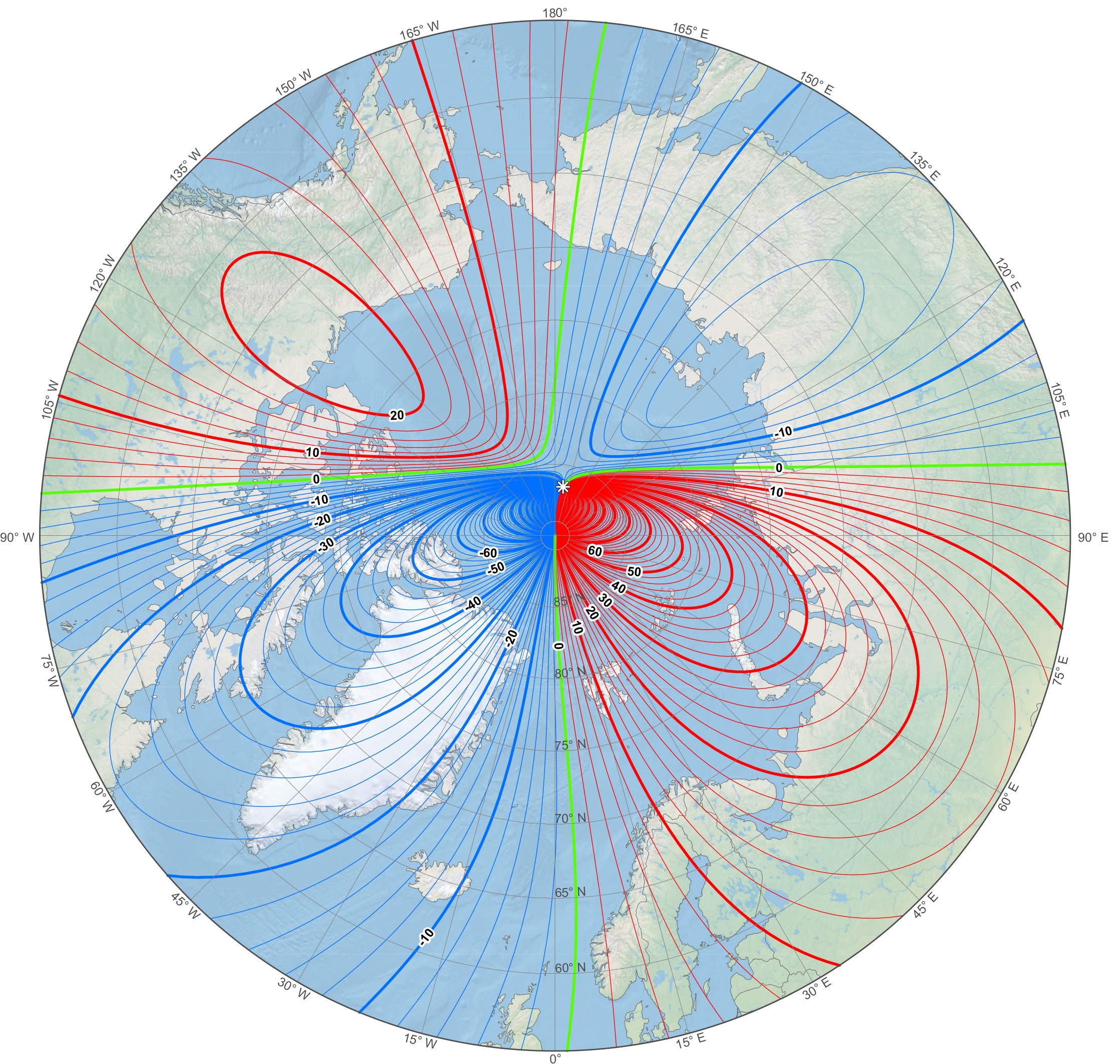
Typically, a new and updated version of the WMM is released every five years. With the last release in 2015, the next version is scheduled for release at the end of 2019. Due to unplanned variations in the Arctic region, scientists have released a new model to more accurately represent the change of the magnetic field between 2015 and now.
This out-of-cycle update before next year’s official release of WMM2020 will ensure safe navigation for military applications, commercial airlines, search and rescue operations, and others operating around the North Pole.
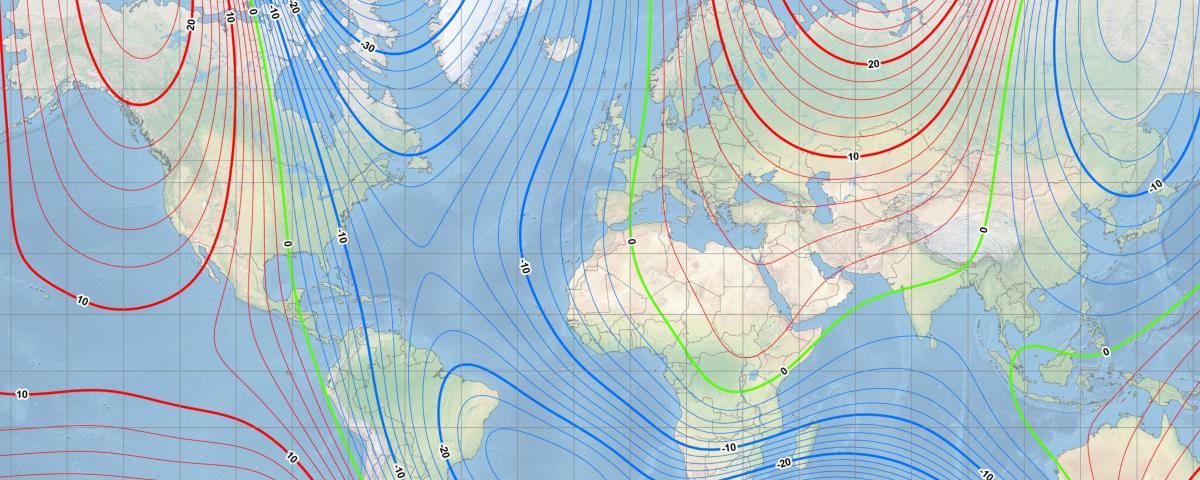
Uses of the WMM
The military uses the WMM for undersea and aircraft navigation, parachute deployment, and more. Other governmental organizations, such as NASA, the Federal Aviation Administration, U.S. Forest Service, and many more use this technology for surveying and mapping, satellite/antenna tracking, and air traffic management.
Smartphone and consumer electronics companies also rely on the WMM to provide consumers with accurate compass apps, maps, and GPS services.
Airport runways are perhaps the most visible example of a navigation aid updated to match shifts in Earth’s magnetic field. Airports around the country use the data to give runways numerical names, which pilots refer to on the ground.
“The declination has changed just over 2.5 degrees over the past 22 years since Denver opened,” Heath Montgomery, the international airport’s former spokesperson, said after the last update.
Compasses use declination (the difference between true north and where your compass points) to help correct navigation systems for a wide variety of uses. As Earth's magnetic field evolves between the 5-year release schedule of the WMM, these predicted values can become off as the rate of change in Earth's magnetic field evolves due to unpredictable flows in Earth’s core. The north polar region is experiencing one of these erratic changes.
Edited for WeatherNation by Meteorologist Mace Michaels


